
Comparing Sunsplash flippers to other swim fin brands in Singapore requires looking past marketing claims and focusing on how specific design elements match your personal swimming goals. Whether you are training in a local public pool, snorkeling around the southern islands, or preparing for open-water diving, the right pair of fins must balance thrust, comfort, and control. Sunsplash flippers are widely recognized in the local market as accessible options, but determining if they are the right choice compared to specialized alternatives depends on a systematic evaluation of physical specifications and fit.
To make an objective comparison, you must evaluate the blade stiffness, foot pocket construction, and material durability of each option. Because individual physical strength and kicking styles vary, a fin that works perfectly for one swimmer might cause severe cramping or fatigue for another. By understanding what to look for on product labels and how to perform physical checks, you can confidently select the gear that offers the best utility for your specific water activities.
Identifying Your Primary Water Activity and Skill Level
Before comparing Sunsplash flippers to other brands, you must define exactly where and how you plan to use them. Swimming gear is highly specialized, and using a fin designed for one activity in the wrong environment can lead to poor performance, rapid fatigue, or even safety hazards.
Products mentioned in this guide
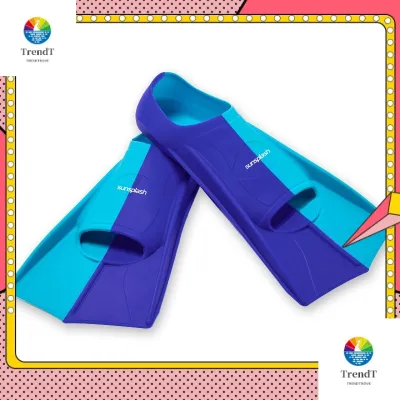
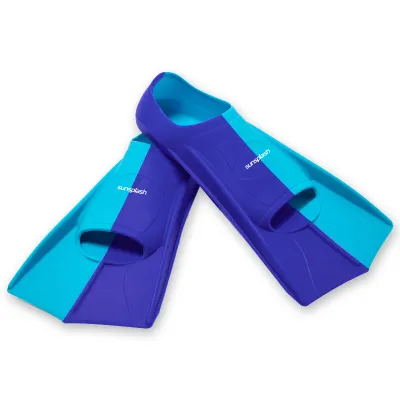
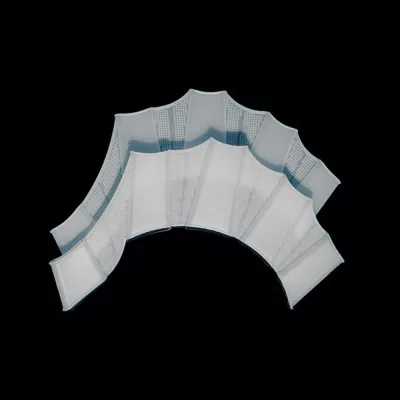
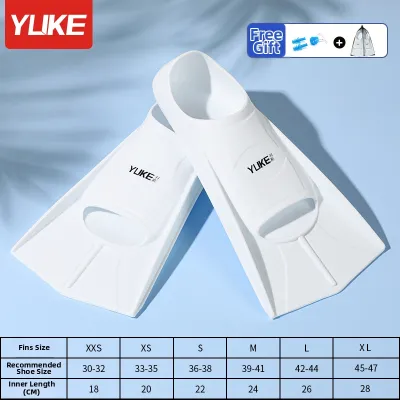
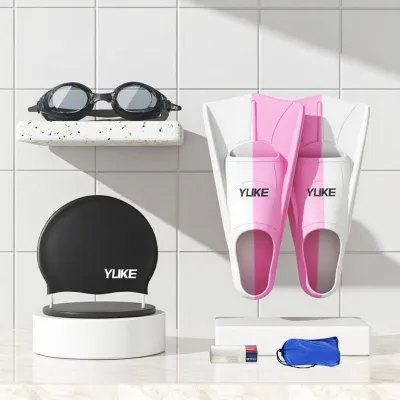
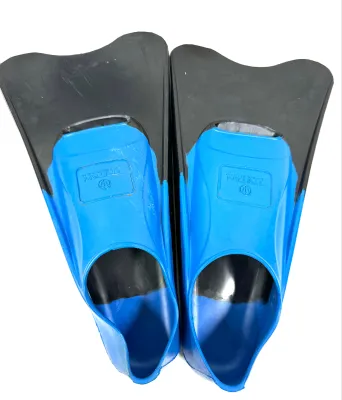
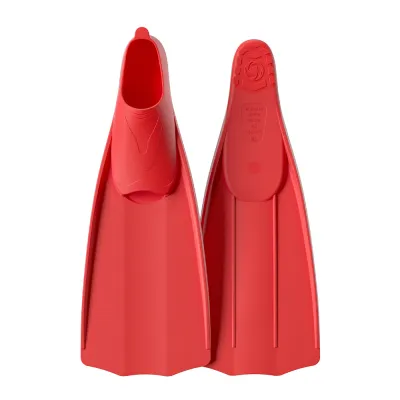
Prices are valid at publication and may change. Please refer to the product page for the latest price.
For surface swimming and casual snorkeling, such as exploring the shallow reefs around Sisters’ Islands Marine Park, you generally require lightweight fins that provide moderate thrust with minimal effort. These activities favor flexible, medium-length blades that allow you to kick comfortably for extended periods without straining your hip flexors or ankles.
In contrast, deep diving activities like scuba diving or freediving demand specialized equipment. Scuba diving requires fins that can push against the resistance of heavy gear and currents, often calling for stiffer, wider blades. Freediving relies on exceptionally long, highly responsive blades made of fiberglass or carbon fiber to maximize depth per kick cycle. If you are looking at Sunsplash flippers, verify whether their blade length and stiffness are rated for these demanding depths or if they are better suited for surface recreation.
The environment also dictates the necessary maneuverability of your gear. If your primary use is lap swimming or swim training in a crowded local pool, long blades can be cumbersome and may disrupt other swimmers. Short-blade training fins are designed specifically for confined spaces, helping you build cardiovascular endurance and refine your kicking technique without generating excessive, uncontrollable speed.
Finally, honestly assess your personal leg strength and experience level. Stiff blades generate powerful thrust but require significant muscle power to flex. Beginners who jump straight into stiff, heavy fins often experience painful calf cramps or foot fatigue within minutes. Choosing a brand that offers progressive flexibility allows your muscles to adapt gradually to the added resistance.
Key Specifications to Verify on Product Labels
When comparing Sunsplash flippers to alternative brands in Singapore’s retail shops or online marketplaces, the product label and technical specifications sheet are your first lines of defense. Do not rely on generic descriptions; instead, look for specific physical measurements.

First, examine the blade length, width, and angle. The length of the blade directly influences the resistance you feel during a kick. Longer blades move more water, creating more thrust but requiring slower, more deliberate leg movements. The angle of the blade relative to your foot pocket—often ranging from 10 to 30 degrees—is designed to align with the natural extension of your ankle during a kick. A well-designed angle reduces strain on the top of your foot and helps direct water backward rather than upward or downward, improving your overall hydrodynamic efficiency.
Second, evaluate the foot pocket design, which generally falls into two categories: full-foot and open-heel. Full-foot fins are designed to be worn barefoot or with thin lycra socks. They are highly popular for warm-water snorkeling and pool training because they offer a snug, streamlined fit and are easy to slip on. Open-heel fins feature an adjustable strap at the back and are designed to be worn with thick neoprene dive boots. This style is essential for shore diving where you must walk over hot sand or sharp rocks before entering the water, and it allows for easy adjustments if your feet swell in the heat.
Third, pay close attention to the material composition listed on the packaging. Standard rubber is highly durable and offers natural flexibility, but it can be heavy and prone to cracking if exposed to intense sunlight and humidity over time. Silicone is softer, highly resistant to UV degradation, and gentle on the skin, making it an excellent choice for sensitive feet, though it may offer less structural stiffness. Composite plastics and polymer blends are often used in technical blades to achieve a balance of lightweight construction and snappy, responsive spring-back action. Compare these materials across brands to see which matches your durability expectations.
Inspecting Fit, Comfort, and Build Quality
No matter how impressive a fin’s specifications look on paper, poor fit or substandard construction will ruin your experience in the water. If you have the opportunity to inspect Sunsplash flippers or competing brands in person, perform a series of physical checks to assess their build quality.
Begin by running your fingers along the inner and outer edges of the foot pocket. Look for rough seams, sharp plastic flashing from the molding process, or stiff ridges that could rub against your skin. In warm, humid climates, skin softens quickly in the water, making you highly susceptible to painful blisters from minor friction points. The heel strap or pocket edge should feel smooth and pliable, stretching evenly without showing signs of stress discoloration.
Next, perform a manual flex test on the blade. Hold the foot pocket firmly with one hand and gently bend the tip of the blade upward with the other. Observe how the material resists the bend and how quickly it snaps back to its original shape. A high-quality blade should flex in a smooth, continuous curve rather than bending sharply at a single weak point. The recovery speed—how fast the blade snaps back—indicates how efficiently the fin will transfer your muscle energy into forward motion in the water.
Finally, closely inspect the joints and connection points where the blade meets the foot pocket. This area experiences the highest amount of mechanical stress during use. Look for seamless integration or robust reinforcement ribs running down the sides of the blade. Any signs of peeling, gaps in the adhesive, or misaligned plastic components are warning signs of potential delamination or structural failure under load.
Making the Final Decision: When to Choose Sunsplash or Alternatives
Choosing between Sunsplash flippers and other swim fin brands comes down to matching your verified physical checks with your specific aquatic goals and budget.
Consider choosing Sunsplash flippers if your physical inspection confirms that their foot pocket fits your foot shape comfortably without pinching, and if the blade stiffness aligns with casual recreation. They are highly suitable for recreational snorkeling trips, routine pool fitness laps, or as an entry-level set of fins for those who are just beginning to explore water sports. If the materials feel durable and the design fits your personal budget, they offer a practical entry point into swimming gear.
On the other hand, you should look toward specialized alternative brands if your activities require advanced hydrodynamic performance. If you are training for competitive swimming, pursuing deep freediving certifications, or planning technical scuba dives in strong currents, you will benefit from brands that specialize in high-grade carbon composites, custom-molded foot pockets, or specific channel-thrust technologies. These specialized options provide the precise tolerances and certified safety standards required for demanding underwater environments.
Regardless of the brand you choose, prioritize safety and proper preparation. If you plan to swim in open water with unpredictable currents or dive to significant depths, equipment alone cannot guarantee your safety. Always verify your gear’s limits, practice your kicking technique in a controlled environment like a local swimming pool first, and consult a qualified diving or swimming professional to ensure your equipment matches your training level.
Frequently Asked Questions (FAQ)
How do I determine the correct fin size when comparing different brands?
To find the correct fin size, start by measuring the actual length and width of your bare foot in centimeters, as standard shoe sizes can vary significantly between everyday footwear and swim gear. Once you have your measurements, always consult the specific manufacturer’s official size chart for that exact model, rather than assuming your size is consistent across different brands. Keep in mind that a proper swim fin should fit snugly but comfortably; if it is too loose, it will slip off or cause blisters, and if it is too tight, it can restrict circulation and cause painful foot cramps. If you plan to use open-heel fins with neoprene dive booties, make sure to wear the booties while trying on the fins, which typically requires selecting one or two sizes larger than your barefoot size.
Are shorter fins always better for beginners?
Shorter fins are not universally better for beginners, though they do offer distinct advantages depending on the activity. Shorter blades require a faster kick cycle to generate forward movement, which closely mimics the natural flutter kick used in barefoot swimming, making them excellent for pool training and improving cardiovascular fitness. They also offer superior maneuverability in confined spaces and are easier to pack for travel. However, blade stiffness is just as important as length; a short fin made of extremely stiff plastic can still cause rapid muscle fatigue and cramping for a beginner. When selecting your first pair, look for a balance of manageable length and moderate flexibility to ensure you can maintain a comfortable, steady kicking rhythm without straining your joints.
Community discussion
Share your experience or ask a question. Comments are reviewed before publication.