
Finding the perfect pair of swimming goggles in Singapore often feels like a balancing act between comfort, visibility, and price. With a climate that permits year-round swimming, whether in a high-rise condominium pool, an ActiveSG public facility, or the open waters of East Coast Park, your choice of eyewear directly impacts your time in the water. There is no single brand that fits every face perfectly, as individual bone structure dictates how well a goggle seals. The ideal brand for you is the one that matches your specific swimming environment, frequency, and facial anatomy.
Identify Your Swimming Profile and Needs
Before comparing brands, you must define your primary swimming activities. A casual weekend swimmer has vastly different equipment needs than a competitive athlete training multiple times a week or a triathlete navigating open-water currents.
Recreational and fitness swimmers generally prioritize long-term comfort over hydrodynamics. For these activities, larger goggle frames or swim masks with wide silicone gaskets are ideal because they distribute pressure evenly across the brow and cheekbones, reducing the deep red rings around the eyes after a swim.
Products mentioned in this guide
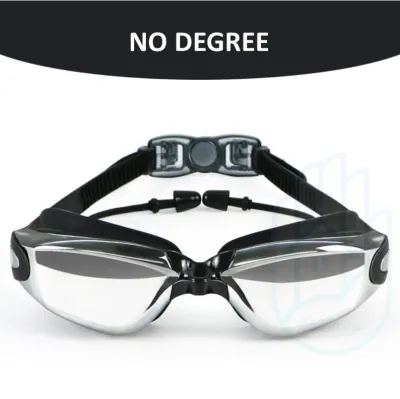
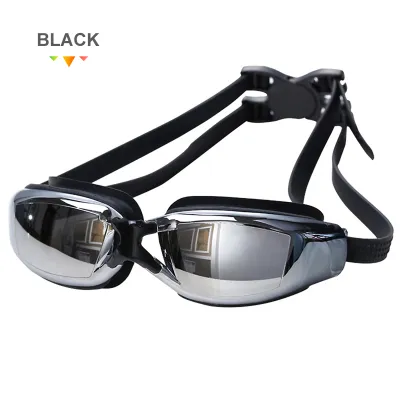
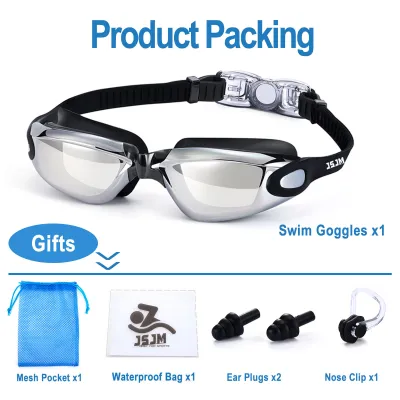
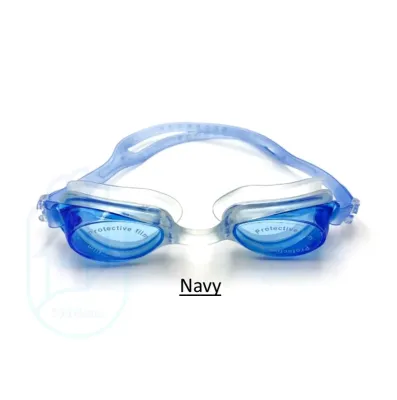
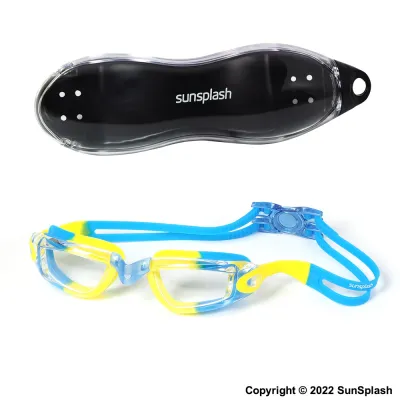
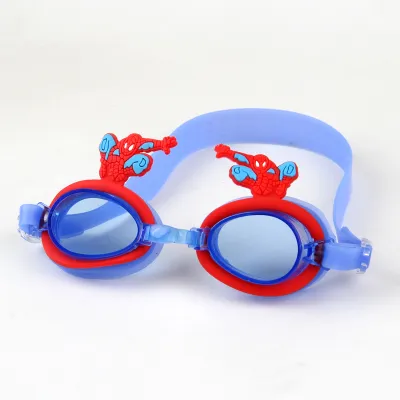
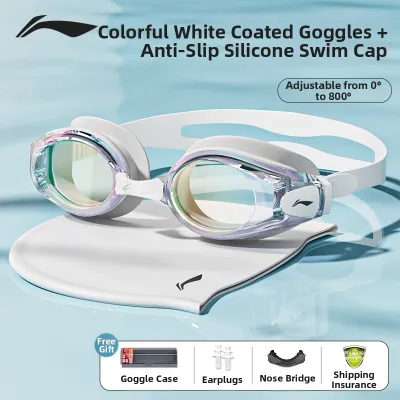
Prices are valid at publication and may change. Please refer to the product page for the latest price.
In contrast, competitive racing requires low-profile goggles that sit tightly inside the eye socket. These designs minimize drag during dives and turns, though they sacrifice some comfort during extended training sessions.
Open-water swimmers and triathletes require a different set of features altogether. They need wide peripheral vision to spot buoys and navigate currents, along with specialized lens tints to handle shifting sunlight and water glare.
Your weekly swimming frequency also dictates how much you should invest in durability. If you swim daily, you will need high-grade silicone straps and robust anti-fog coatings that can withstand constant exposure to chlorine or saltwater.
Comparing Mainstream Goggle Brand Positioning
Several major brands dominate the Singapore market, each catering to distinct segments of the swimming community. Understanding their general design philosophies helps narrow down your options.

Speedo is perhaps the most widely recognized name, offering a massive catalog that spans from basic recreational models to elite racing gear. Their strength lies in their varied fit options, making it easy to find a model that matches your face shape, and their products are highly accessible across local retail outlets.
Arena focuses heavily on competitive swimming, with a strong reputation for producing highly hydrodynamic, low-profile designs. Many swimmers with narrower face shapes find that Arena models provide a more secure, leak-free seal without requiring excessive strap tension.
TYR is highly favored among triathletes and open-water swimmers due to its emphasis on durability and wide-angle visibility. Their frames often feature robust construction designed to handle the rougher conditions of outdoor training.
Zoggs positions itself as a leader in recreational comfort and family swimming. They are well-known for their soft-seal technologies, reliable built-in anti-fog features, and an extensive range of youth and children’s goggles designed for smaller faces.
While these brand reputations offer a helpful starting point, you should always check the specific model specifications and local stock availability rather than assuming a brand’s signature style applies to every product they make.
Key Features to Evaluate Across Any Brand
When comparing models across different manufacturers, you should evaluate several technical features to ensure they match your swimming environment.
Lens tint and shape are critical for visibility. Clear or light-colored lenses are best for indoor pools or early morning swims, while mirrored, dark, or polarized lenses are essential for outdoor pools and open water to block harsh tropical glare and UV rays.
The material of the eye cup and gasket determines both comfort and seal reliability. Liquid silicone gaskets offer a soft, flexible seal that conforms to most face shapes, while traditional foam gaskets provide a plush feel but may degrade faster in chlorinated water. Some competitive models use a gasketless, Swedish-style design that sits directly on the skin for maximum hydrodynamics, though this requires a precise facial match to prevent leaking.
Strap systems should be easy to adjust and secure enough to stay in place. Split straps distribute pressure across the back of the head for a more stable fit, while bungee cords allow for rapid, micro-adjustments during training. Quick-release buckles are particularly useful for recreational swimmers and children who want to avoid hair pulling.
Always look for clear UV protection labels and optical clarity standards on the packaging, especially if you plan to swim outdoors in Singapore’s intense sunlight.
Fit, Comfort, and the Suction Test
No matter how advanced a goggle’s technology is, it will fail to perform if it does not fit your unique facial structure. Sizing varies significantly between brands, making physical testing essential.
To perform the strapless suction test, press the goggle cups firmly against your eye sockets without putting the strap over your head. If the goggles stick to your face for a few seconds before releasing, it indicates a good natural seal that will not require tight straps to keep water out.
Nose bridge adjustability is another critical factor for a proper fit. Many models come with interchangeable nose bridges of varying lengths, allowing you to adjust the distance between the eye cups to match the width of your nose. Fixed nose bridges are common on recreational models but offer less customization.
Pay close attention to any immediate pressure points around your eye sockets or brow bone during the test. Even minor discomfort in the store can turn into painful bruising or headaches after thirty minutes of continuous swimming.
If you feel uneven pressure or if the suction fails instantly, stop and try a different model or brand rather than attempting to compensate by tightening the head strap, which only leads to discomfort and leaks.
Price Tiers and Reliable Purchasing Channels
Swimming goggles in Singapore generally fall into three distinct price tiers, reflecting their materials, lens technologies, and intended use.
Entry-level recreational goggles typically cost between S$15 and S$30, offering basic silicone seals and clear lenses suitable for casual pool use. Mid-range fitness models range from S$30 to S$60, featuring better anti-fog coatings, polarized lenses, and more durable strap systems. Premium competition and specialized triathlon goggles can range from S$60 to over S$120, incorporating advanced hydrodynamics, custom nose pieces, and high-grade optical lenses.
To ensure you are purchasing authentic products, buy from authorized local sports retailers, official brand stores, or verified sellers on major e-commerce platforms. Avoid purchasing from unverified online listings with unusually low prices, as these are often counterfeit products made with cheap plastics that lack proper UV protection and optical clarity.
Additionally, check the return and exchange policies of the retailer before buying, especially when shopping online, as hygiene seals on swimwear and goggles often restrict returns once the packaging has been opened.
Decision Framework: Which Brand Type Suits You?
To make your final decision, align your primary swimming goals with the design strengths of each brand type.
If you swim primarily for leisure, value long-term comfort, or have sensitive skin, prioritize comfort-focused brands like Zoggs or the recreational lines of Speedo, looking for thick silicone or foam gaskets.
If you are training for a swim meet, focus on performance-driven brands like Arena or Speedo’s competitive range, which offer low-profile designs that stay secure during high-speed turns and starts.
If you require vision correction, keep in mind that standard models may not suit you; instead, look specifically for prescription-compatible goggles, which are offered by several major brands in pre-made diopters.
Ultimately, because facial shapes are highly diverse, you should verify the fit by visiting a local sports store to try on different models before committing to a purchase.
Frequently Asked Questions (FAQ)
How often should I replace my swimming goggles?
Most regular swimmers need to replace their goggles every six to twelve months, depending on how often they train and how well they maintain their gear. Over time, exposure to chlorine, salt, and UV rays degrades the silicone straps and gaskets, leading to leaks. If you notice permanent fogging, brittle straps, or a loss of suction, it is time to invest in a new pair.
Can I use the same goggles for both pool and open-water swimming?
While you can use the same pair, it is generally not recommended if you swim in both environments regularly. Pool goggles often feature clear or light lenses optimized for indoor lighting, which can cause severe eye strain under the bright Singapore sun. Open-water swimming requires mirrored or polarized lenses to block glare, along with a wider frame design to help you spot landmarks and navigate safely.
What is the best way to prevent goggles from fogging up?
To protect the factory anti-fog coating, rinse your goggles with clean, cold water after every swim and let them air dry completely before storing them. Never touch or wipe the inside of the lenses with your fingers or a towel, as this scratches the delicate coating. Once the original coating wears off, you can apply a specialized aftermarket anti-fog spray before your sessions to maintain clear vision.
Community discussion
Share your experience or ask a question. Comments are reviewed before publication.