
Swimming in Singapore offers an excellent escape from the year-round tropical heat, whether you are doing laps at a local public pool, training in a squad, or relaxing in a condominium pool. However, the combination of intense humidity, strong UV exposure, and constant contact with chlorinated water can quickly degrade your swim gear. Finding a reliable swimming hat is essential not only for protecting your hair from harsh pool chemicals but also for improving your comfort and performance in the water. The ideal choice depends heavily on your swimming frequency, hair type, and personal comfort preferences, requiring you to evaluate different materials and designs before making a purchase.
Understanding Swimming Hat Materials for Different Needs
Before looking at specific brands available in Singapore, it is crucial to understand the physical properties of the materials used in modern swim caps. Different materials offer distinct trade-offs regarding elasticity, durability, heat retention, and water resistance. In Singapore’s warm climate, heat dissipation is often a key consideration, as a cap that traps too much heat can make long training sessions uncomfortable. Conversely, chlorine resistance is paramount for anyone swimming multiple times a week, as chemical exposure can cause inferior materials to become sticky, brittle, or prone to tearing.
Silicone, Latex, and Fabric Options
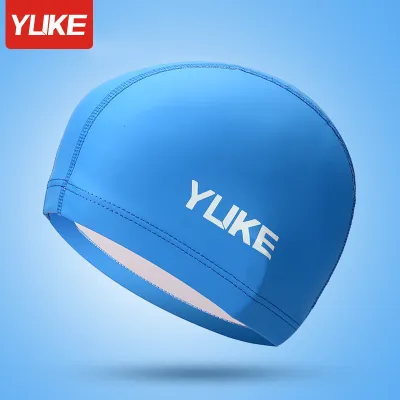
Silicone is the most widely used material for modern swim caps, favored for its excellent balance of durability and flexibility. High-quality silicone caps are highly resistant to chlorine degradation and UV exposure, making them a reliable choice for Singapore’s outdoor pools. They are thicker than latex caps, which helps them retain their shape and makes them easier to put on and take off without pulling your hair. However, because silicone is a dense material, it can trap head heat during intense workouts in warm water.
Products mentioned in this guide
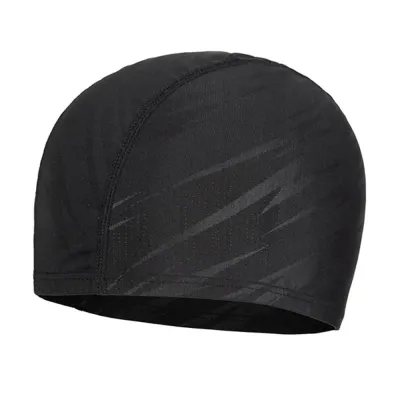
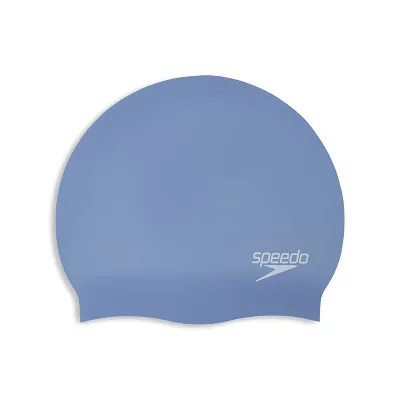
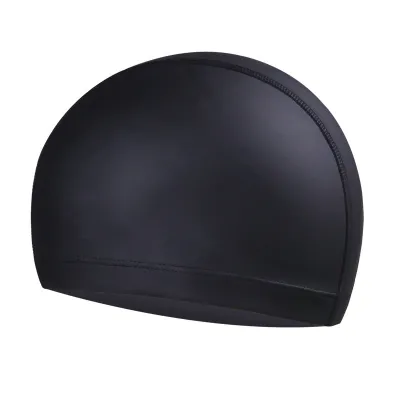
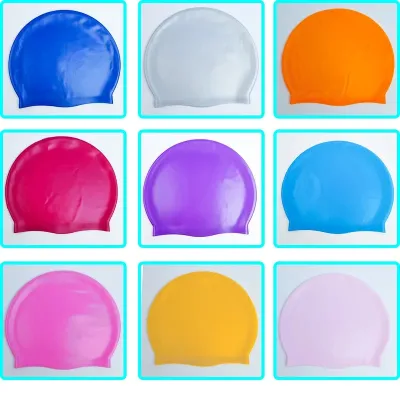
Prices are valid at publication and may change. Please refer to the product page for the latest price.
Latex caps are much thinner and lighter than silicone, offering a highly flexible, snug fit that many competitive swimmers prefer. Because they are thin, they allow for better heat dissipation, which can be a significant advantage during long training sessions in outdoor pools under the afternoon sun. However, latex is significantly less durable than silicone and is highly susceptible to tearing if nicked by fingernails or hairpins. Additionally, latex can trigger allergic reactions in sensitive individuals, so it is important to check product labels for hypoallergenic certifications if you have known skin sensitivities.
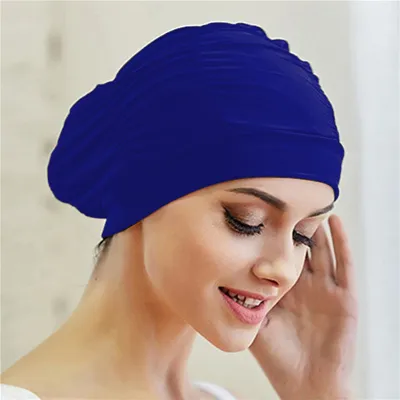
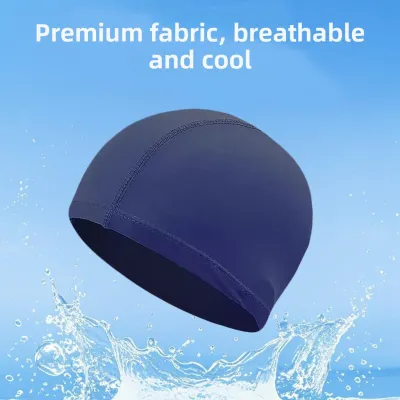
Fabric caps, typically made from elastane, nylon, or polyester blends, prioritize comfort and ease of use over water exclusion. These caps are highly breathable, stretch easily, and do not pull on your hair, making them exceptionally comfortable for casual swimmers or water aerobics participants. The primary trade-off is that fabric is highly porous; water flows freely through the material, meaning your hair will get wet, and the cap offers minimal protection against chlorine.
Specialty Designs for Hair Protection
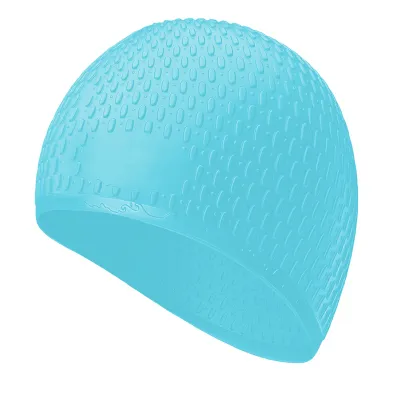
For swimmers concerned about protecting their hair from chlorine damage or managing high hair volume, specialty designs offer targeted solutions. Bubble caps, which feature a textured, raised-bubble pattern, are designed to create a small air barrier that reduces water pressure against the scalp. These are often made of thick rubber or silicone and provide a more relaxed fit that does not compress the head as tightly as standard caps.
Other specialty options include double-layered caps, which feature a soft fabric inner lining combined with a waterproof silicone outer shell. This design aims to provide the hair-friendly comfort of a fabric cap with the water-resisting benefits of silicone. Some brands also offer mesh-lined silicone caps that help keep the cap securely in place without snagging fine hair. While these designs help limit direct chlorine exposure, it is important to remember that no swim cap is entirely waterproof; water will inevitably seep in around the edges during active swimming.
Matching Swimming Hats to Your Skill Level and Goals
Selecting the right swim cap involves aligning the product’s design features with your specific swimming activities and performance goals. Brands cater to different segments of the market, from casual weekend dippers to elite competitive athletes. Understanding where you fit along this spectrum will help you avoid overpaying for specialized racing features you do not need, or conversely, buying a basic cap that fails to support your training regimen.

Casual and Fitness Swimmers
If your routine consists of recreational swimming, water fitness classes, or moderate lap swimming a few times a week, your primary focus should be comfort and ease of use. For these activities, look for brands that offer soft silicone caps or hybrid fabric-silicone designs. These caps are engineered to stretch easily, allowing you to put them on quickly without struggle or discomfort.
Look for models with reinforced seams and rounded edges, which help distribute tension evenly across your forehead and temple areas. Avoid ultra-tight, competition-grade caps, as the intense compression required for racing can lead to tension headaches during longer, slower fitness sessions. A standard, high-quality silicone cap from a reputable sports brand will provide the durability needed to withstand regular pool sessions while keeping you comfortable.
Competitive and Advanced Swimmers
For competitive swimmers, triathletes, and advanced squad trainers, the priorities shift toward hydrodynamics, drag reduction, and a secure, wrinkle-free fit. Advanced racing caps are often molded using 3D technology to match the natural curvature of the head, eliminating the wrinkles that cause hydrodynamic drag in the water. These caps are typically made of high-density, variable-thickness silicone that remains rigid at the front while stretching at the back.
When selecting a cap for competitive use in Singapore, it is essential to verify that the brand’s model complies with relevant swimming federation regulations, such as World Aquatics approval standards, if you plan to use it in official meets. Be prepared for a much tighter fit, which is necessary to keep the cap secure during fast starts and turns. Because these caps prioritize performance, they can be more challenging to put on and may feel restrictive during extended warm-ups.
Swimmers with Long, Thick, or Textured Hair
Standard swim caps are designed with a symmetrical dome shape that assumes a relatively low hair volume. If you have long, thick, or textured hair, attempting to stretch a standard cap over your hair often results in the cap sliding up off your ears, squeezing your head uncomfortably, or tearing prematurely at the seams.
To address this, look for brands that offer dedicated “long hair” or “extra-large” volume variants. These caps feature an asymmetrical design with extra material and stretch capacity at the back of the head to accommodate buns, braids, or dreadlocks without putting excess pressure on your forehead. When purchasing, check the product specifications to ensure the front band is reinforced to grip the skin securely, preventing the weight of your wet hair from pulling the cap backward during your swim.
Essential Fit and Comfort Checks Before Purchasing
Finding the right fit is the most critical factor in ensuring your swim cap performs well and remains comfortable throughout your session. Because head shapes and sizes vary widely, you should not rely solely on a one-size-fits-all assumption. Before purchasing a new cap, take the time to measure your head circumference using a flexible measuring tape, wrapping it around the widest part of your head just above your eyebrows and ears. Compare this measurement against the brand’s specific sizing charts, which are usually available on the packaging or the manufacturer’s website.
When evaluating a cap in person or reviewing product specifications, inspect the seam construction closely. High-quality caps typically feature flatlock seams or seamless molded designs that minimize friction against your skin and reduce the risk of splitting under tension. Look for caps with a textured inner surface or a reinforced interior band along the edge; these features help the cap grip your skin and hair, preventing it from sliding up when you push off the pool wall.
Pay close attention to how the cap feels when you first try it on or during your initial swim. A properly fitting cap should feel snug and secure without causing a throbbing sensation or leaving deep, painful red indentations on your forehead. If you notice loose, puckering material at the crown of your head or around the nape of your neck, the cap is likely too large, which will allow water to scoop inside as you swim. Conversely, if the cap constantly slides upward or exposes your ears completely when you open your mouth, it is too small and will likely slip off during active movement.
Navigating Retail Channels and Authenticity in Singapore
Singapore offers a variety of retail options for purchasing swim gear, ranging from large-scale sporting goods chains to specialized swim boutiques and online marketplaces. For those who prefer to try on gear or inspect materials firsthand, visiting physical retail stores is highly recommended. Specialized sports hubs, such as those located around Stadium, Kallang, or Queensway Shopping Centre, house dedicated swim shops where knowledgeable staff can assist you with sizing and material selection.
If you choose to purchase online through ecommerce platforms, verifying product authenticity is crucial to avoid low-quality counterfeits that degrade rapidly in chlorinated water. When shopping online, prioritize official brand stores or authorized distributors. Look for key indicators of authenticity, such as high-quality, sealed packaging, clear brand labeling, and holographic security tags where applicable. Be cautious of listings with unusually low prices, vague product descriptions, or poor seller ratings, as these are common red flags for counterfeit goods.
Buying from local Singapore-based retailers—whether physical stores or local online storefronts—offers significant advantages regarding customer service and returns. If you discover that a cap does not fit correctly after trying it on at home, local retailers typically offer straightforward exchange policies, whereas international shipping returns can be costly and time-consuming. Additionally, local retailers stock inventory suited to Singapore’s climate, ensuring you receive products that have been stored in temperature-controlled environments rather than sitting in hot, humid warehouses for extended periods.
Frequently Asked Questions (FAQ)
How do I properly clean and store my swimming hat to extend its lifespan?
To maximize the lifespan of your swimming hat, it is essential to establish a consistent post-swim care routine. Immediately after exiting the pool, rinse your cap thoroughly inside and out with clean, cold tap water to remove residual chlorine, salt, and pool chemicals. Gently pat the cap dry with a soft towel, or hang it to air dry in a well-ventilated indoor area away from direct sunlight, as UV rays and high heat can cause silicone and latex to degrade and lose elasticity. Once dry, you can lightly dust the inside of silicone or latex caps with talcum powder or cornstarch to prevent the sides from sticking together. Never use harsh detergents, bleach, or washing machines, and avoid leaving a wet cap crumpled inside your swim bag, as this creates a prime environment for mold and mildew growth.
Why does my swimming hat keep slipping off during my swim?
A swimming hat that constantly slips off is usually the result of fit issues, material wear, or hair products. If you apply heavy conditioners, hair oils, or moisturizers before swimming, these substances create a slick barrier that prevents the cap’s inner surface from gripping your skin or hair. To prevent this, rinse your hair with fresh water before putting on the cap, and avoid applying leave-in products. Slipping can also indicate that the cap is too large, causing water to enter and pull it off, or that the material has stretched out and lost its elasticity over time. If you continue to experience slipping despite correct sizing, look for caps designed with textured inner grips or internal silicone bands that provide extra traction against the skin.
Can I wear a fabric swimming hat to keep my hair completely dry?
No, fabric swimming hats are not designed to keep your hair dry, and they will not protect your hair from getting wet. Fabric materials, such as nylon, polyester, or elastane blends, are highly porous, meaning water passes through them almost instantly when you submerge your head. The primary purposes of a fabric cap are to keep your hair out of your face, reduce drag slightly, and comply with pool hygiene regulations by containing loose strands. If your main goal is to keep your hair as dry as possible and protect it from chlorine, you should opt for a high-quality silicone or latex cap. However, keep in mind that even these waterproof materials cannot guarantee completely dry hair, as water will still seep in around the edges during active swimming.

Community discussion
Share your experience or ask a question. Comments are reviewed before publication.