
Entering the world of cycling is exciting, but walking into a bike shop or browsing online stores can quickly lead to information overload. The market is flooded with gadgets, bags, specialized clothing, and tools, making it difficult to distinguish between what is truly essential and what is merely nice to have. As a beginner, you do not need to purchase every available add-on to enjoy your rides; in fact, over-equipping your bicycle early on can add unnecessary weight and complexity. The smartest approach is to secure a few non-negotiable safety items first, and then gradually acquire other accessories as your specific riding habits and routes demand them.
Step 1: Diagnose Your Riding Profile Before Buying
Before spending any money on accessories, you must evaluate how, where, and when you plan to ride. A person using a bicycle for a short weekend cruise along paved park connectors has vastly different equipment needs than someone commuting daily through heavy urban traffic or training for long-distance road races. Ask yourself what your primary goal is: are you commuting to work, riding for cardiovascular fitness, or simply running quick errands around your neighborhood? Your answers will define your baseline requirements and prevent you from purchasing gear that eventually sits unused in a drawer.
Consider your expected ride frequency, average distance, and the typical time of day you will be on the road. If you only ride during bright daylight hours on dedicated paths, your lighting and safety needs will differ from someone who navigates busy roads during dawn, dusk, or night hours. Additionally, you must factor in your local environmental conditions. For instance, in a tropical climate like Singapore’s, frequent sudden downpours and high humidity dictate a need for water-resistant gear, reliable fenders, and highly breathable materials. Understanding these environmental and situational factors ensures that every dollar you spend on accessories directly improves your safety, comfort, and convenience.
Products mentioned in this guide
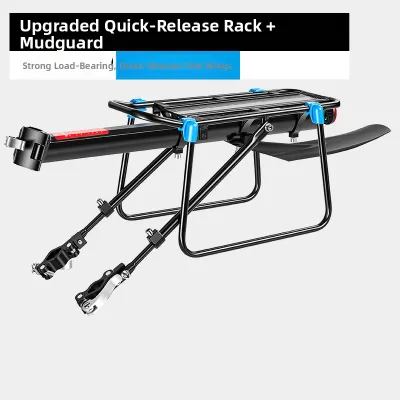
38 Lazada user ratings
the quality feel abit fragile hope it last. the srew track poor quality. i had two screw stuck inside the rack.. cannot be removed ..still c…Read full reviewShow less
the quality feel abit fragile hope it last. the srew track poor quality. i had two screw stuck inside the rack.. cannot be removed ..still can use.. i use cable tight to enforce it..
Superior quality, made of full aluminum alloy, and easy to install! The stability is excellent!
It's great and works well. I've already started using it and it's a high-quality choice.
The load-bearing is great; it holds two cases of water very steadily.
The product is great, and the customer service is really nice.
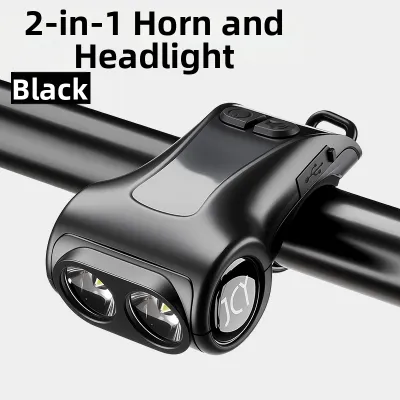
45 Lazada user ratings
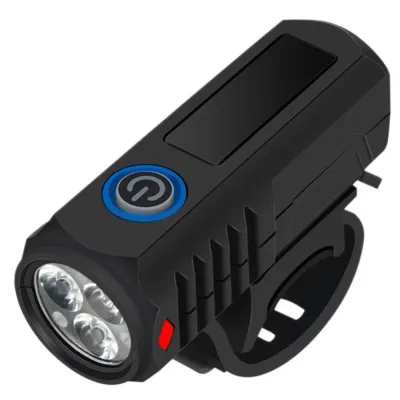
💡Brightness:⭐️⭐️⭐️⭐️⭐️ (Really strong lumen even during daytime 👍🏻) Horn: ⭐️⭐️⭐️⭐️⭐️ (All modes indeed louder than normal ringing bell) Item ordered 26/7 deliv…Read full reviewShow less
💡Brightness:⭐️⭐️⭐️⭐️⭐️ (Really strong lumen even during daytime 👍🏻) Horn: ⭐️⭐️⭐️⭐️⭐️ (All modes indeed louder than normal ringing bell) Item ordered 26/7 delivered 1/8 which is reasonably fast from overseas seller Wanted to rate 5 ⭐️ but after real usage, realised elastic strap not as durable & reliable to hold light horn in place as after riding for short distance, it fell off from bicycle during some vibrations & strap was lost Had to backtrack & search >30mins to retrieve strap & bring home to improvise ways to secure it firmly in place with light horn In the end, had to use simple rubber band as extra precaution to secure light horn with strap Box arrived with obvious dent as shown in photo but lucky item inside was intact. Also had some obvious scratches on light horn Overall, satisfied with product but unsure battery life is up to par as advertised for the ?
it is a little bulky than I thought but is still good. the buzzer do not have extended cable switch. so it a little unsafe reaching out for …Read full reviewShow less
it is a little bulky than I thought but is still good. the buzzer do not have extended cable switch. so it a little unsafe reaching out for it. use as light. 💡Brightness:good enough brightness
Received the item , I have problem with the light, the seller is very helpful and fast responding, solve my problem, thanks seller . 👍🏻
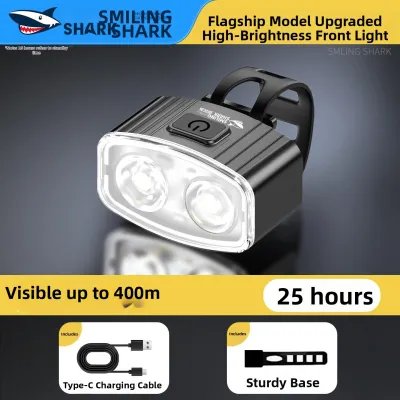
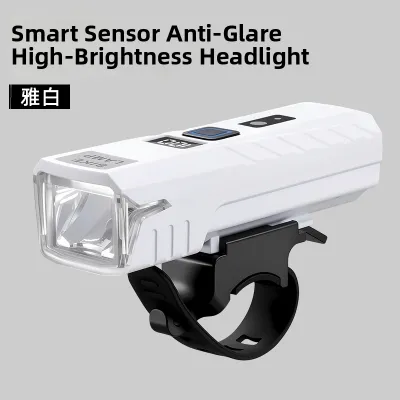
24 Lazada user ratings
Installation is super easy, and the brightness is just right. Having bike lights at night makes riding safer.
💡Brightness: good brightness with auto lighting and battery life indicator
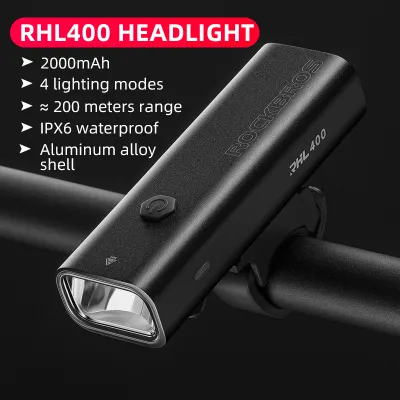
118 Lazada user ratings
The product is exactly as described, very good. The seller is worth recommending. Thank you.
Fast delivery. The light is very beautiful, and the battery lasts long. The USB-C is great.
I liked everything, it was perfectly done and the quality is great, I recommend the seller.
Super quick delivery considering it came from China and was at my house in 15 days.
4 Lazada user ratings
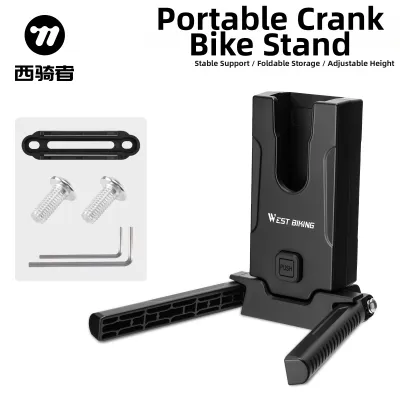
It's better to stick with a traditional kickstand. Even when paired with a brake lock, this setup offers a very lightweight and simple feel.…Read full reviewShow less
It's better to stick with a traditional kickstand. Even when paired with a brake lock, this setup offers a very lightweight and simple feel. It's an interesting experience to try out.
Prices are valid at publication and may change. Please refer to the product page for the latest price.
Step 2: The Non-Negotiable Safety and Survival Essentials
Regardless of your riding style, certain accessories are absolute requirements for basic safety, legal compliance, and self-sufficiency. The most critical of these is a high-quality bicycle helmet. When selecting a helmet, do not rely solely on aesthetics or brand names; instead, look for recognized safety certification labels on the product, such as CE EN1078, CPSC, or local safety marks, which verify that the helmet has undergone rigorous impact testing. Ensure the helmet fits snugly on your head without tilting backward or forward, and that the straps form a clean “V” shape just below your ears.

Visibility is another non-negotiable factor, especially when sharing the road with motorized vehicles. Front and rear lights are essential for ensuring you are visible to drivers, pedestrians, and other cyclists during low-light conditions, dawn, dusk, or sudden rainstorms. Look for a bright white front light to illuminate your path and a red rear light to alert traffic behind you. Many modern lights offer steady and flashing modes; using a flashing mode during the day can significantly enhance your visibility to oncoming traffic.
Staying hydrated is vital, particularly when cycling in warm, humid climates. A simple water bottle and a matching bottle cage mounted to your bicycle frame allow you to drink safely while riding without having to stop or fumble through a backpack. Choose a bottle that is easy to squeeze and features a dust cover over the nozzle if you frequently ride on dusty or wet paths.
Finally, you must prepare for the eventual reality of a flat tire. Being stranded miles from home is an easily avoidable situation if you carry a basic puncture repair kit. This minimal survival kit should include a portable hand pump, a set of durable tire levers, and a spare inner tube that matches your specific tire size and valve type (Presta or Schrader). Learning how to use these tools to change a tube is a fundamental skill that every beginner should practice at home before heading out on longer solo rides.
Step 3: Match Conditional Accessories to Your Specific Routes
Once you have secured your safety essentials, any additional purchases should depend entirely on your specific riding conditions, route predictability, and ride duration. Rather than buying a complete set of gear upfront, let your daily routes and practical challenges dictate your next steps.
If You Ride for Daily Commuting
For those using a bicycle as a primary mode of transit, your accessories must focus on utility, weather protection, and security. Fenders and mudguards are highly recommended if you commute in work attire, as they prevent dirty road water, mud, and debris from splashing onto your back and legs during unexpected wet weather. Look for full-coverage fenders if your bike frame has the mounting eyelets, or quick-release clip-on options if you ride a sportier frame.
Securing your bicycle while you are away is another major consideration for urban commuters. A high-security lock, such as a heavy-duty U-lock or a thick folding lock, is essential for deterring theft when parking in public spaces. When purchasing a lock, verify the durability of the locking mechanism and the thickness of the shackle, opting for hardened steel that resists cutting tools.
Carrying your daily essentials, such as a laptop, change of clothes, and lunch, requires a smart storage solution. While a backpack is an option, it often leads to a sweaty back and shoulder fatigue on longer commutes. Installing a rear rack and using waterproof panniers or a spacious handlebar bag transfers the weight directly to the bicycle frame, keeping you cool, comfortable, and balanced throughout your journey.
If You Ride for Fitness and Longer Distances
If your primary goal is physical training, endurance, or exploring long-distance routes, your accessory needs will shift toward performance tracking, comfort, and efficiency. A basic cycling computer or a highly secure handlebar phone mount is invaluable for tracking your speed, distance, and route navigation. If you choose to use your smartphone, ensure the mount features a dual-locking mechanism to prevent the device from vibrating loose on uneven pavement.
As your ride times extend past an hour, physical comfort becomes a limiting factor. Padded cycling shorts are specifically designed to reduce friction, absorb road vibrations, and prevent painful saddle sores during long hours in the saddle. They are worn directly against the skin without underwear to maximize their moisture-wicking and protective benefits.
For those looking to improve pedaling efficiency, transitioning to clipless pedals and dedicated cycling shoes can be highly beneficial. These systems lock your feet directly to the pedals, allowing you to pull up as well as push down through each pedal stroke. However, because this system requires you to twist your heel to disengage, there is a distinct learning curve; beginners should practice clipping in and out while stationary or in a safe, grassy area before riding in traffic.
Step 4: Identify Optional Upgrades You Can Safely Delay
It is easy to fall into the trap of thinking that high-end gear will automatically make you a better or faster cyclist. In reality, many premium accessories offer marginal gains that are completely unnoticeable to a beginner. For example, expensive aerodynamic add-ons, ultra-lightweight carbon fiber bottle cages, and high-end professional cycling jerseys are unnecessary expenses when you are still building your basic fitness and riding skills. Standard aluminum cages and comfortable, moisture-wicking athletic shirts work perfectly well for the first several months of cycling.
Similarly, advanced training electronics like power meters, heart rate monitors, and high-end indoor smart trainers should be delayed. These tools provide highly detailed performance data, but they require a structured training plan and a consistent riding habit to be of any real value. Purchasing them too early can lead to data overload and unnecessary financial investment before you have fully committed to the sport.
The best approach is to accumulate riding miles first using your basic setup. As you spend more time on the saddle, you will naturally identify actual physical discomforts or performance bottlenecks. If your hands begin to ache on longer rides, that is the perfect time to look into padded gloves; if you find yourself constantly running out of water, you can then consider adding a second bottle cage. Let your actual physical experience guide your upgrades rather than marketing trends.
Step 5: Build a Smart Starter Kit Within Your Budget
Building your first accessory kit does not require a massive financial investment if you prioritize your spending logically. When allocating your budget, dedicate the largest portion of your funds to your helmet and your lighting system. These are active safety devices that directly protect your life and make you visible to others; saving money by purchasing uncertified helmets or dim, unreliable lights is a risk that is never worth taking.
To ensure you get the best value and fit, visit a local bike shop to physically test accessories before buying. This is especially important for helmets, gloves, and bags, where comfort and sizing vary significantly between brands. A professional at a local shop can help you verify that a helmet fits your head shape correctly and show you how to mount lights or bags securely to your specific bicycle frame.
For maintenance tools, floor pumps, and portable repair kits, you can safely start with reliable, entry-level models. You do not need professional-grade workshop tools to perform basic roadside repairs or inflate your tires before a ride. Use these entry-level tools until they eventually wear out or fail to meet your evolving maintenance needs, at which point you can make informed decisions about upgrading to more durable, premium options.
Frequently Asked Questions (FAQ)
Do I need a specific type of helmet for road versus mountain biking?
While both styles must meet the same safety certification standards, they feature design differences tailored to their respective environments. Mountain bike helmets typically offer more coverage at the back of the head and include a visor to shield your eyes from sun and low-hanging branches. Road bike helmets focus on maximizing ventilation and reducing weight to keep you cool during high-effort rides. For a beginner, a versatile hybrid helmet that fits securely and carries a recognized safety label is perfectly suitable for both paved paths and light gravel trails.
Are cycling gloves necessary for beginners?
Cycling gloves are not strictly mandatory for short, casual rides, but they offer significant benefits as your ride times increase. Padded gloves feature gel or foam inserts in the palms that absorb road vibrations, reducing hand numbness and wrist fatigue. They also improve your grip on the handlebars when your hands get sweaty in hot weather and provide essential skin protection in the event of a minor fall. If you are just starting with short weekend rides, try riding without them first to see if you experience any discomfort before making the purchase.
How should I prioritize my spending if I have a very tight budget?
If you are working with a highly restricted budget, focus exclusively on the absolute minimum required for safety and self-sufficiency. Your first purchase must be a certified helmet to protect against head injuries, followed immediately by a basic puncture repair kit (tire levers, spare tube, and a portable pump) so you do not get stranded. If you plan to ride near traffic, during early mornings, or after sunset, front and rear lights must be your next priority. You can safely postpone purchasing specialized clothing, cycling computers, locks, and bags until you have more funds available.
Community discussion
Share your experience or ask a question. Comments are reviewed before publication.