
Selecting the right sports water bottle is essential for maintaining hydration during intense workouts, outdoor runs, or daily commutes. Among the various materials available, plastic remains a highly popular choice due to its lightweight nature, impact resistance, and affordability. However, many active individuals frequently question the safety of plastic containers, particularly when exposed to heat, sunlight, or repeated wash cycles. Tritan plastic has emerged as a prominent material in the sports and outdoor industry, marketed as a safer, tougher alternative to traditional plastics.
Understanding whether Tritan and other common plastics are safe for daily hydration requires looking beyond marketing slogans. Safety is not just about the raw material itself, but also how the material behaves under specific conditions, such as high temperatures, physical impacts, and exposure to cleaning agents. By learning how to identify different plastic types, verify manufacturer safety claims, and practice proper maintenance, you can ensure your hydration routine remains both safe and effective.
Decoding Plastic Safety Labels and Recycling Codes
To determine the safety and material composition of your sports water bottle, the first step is to inspect the base of the container. Most plastic bottles feature a molded triangular symbol containing a number from 1 to 7, known as the Resin Identification Code (RIC). This code identifies the specific polymer used to manufacture the bottle. For instance, rigid, clear sports bottles made from Tritan are typically marked with a Code #7, which is a catch-all category labeled “Other.” Because Code #7 includes a wide variety of plastics—some of which may contain bisphenols—it is crucial to look for the “Tritan” brand name or explicit manufacturer documentation to confirm the exact material.
Products mentioned in this guide
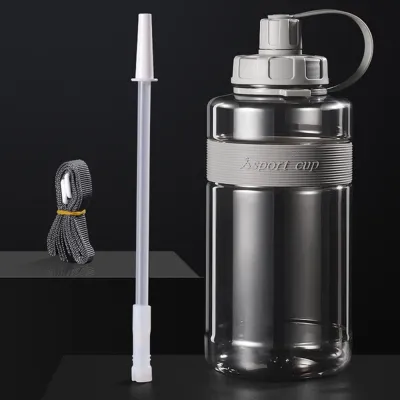
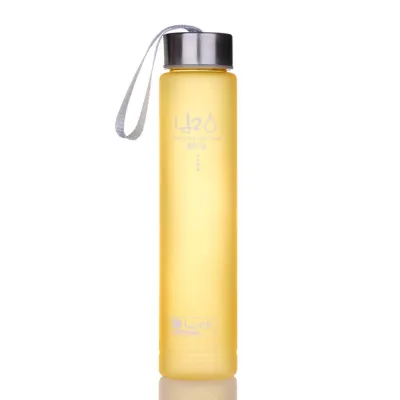
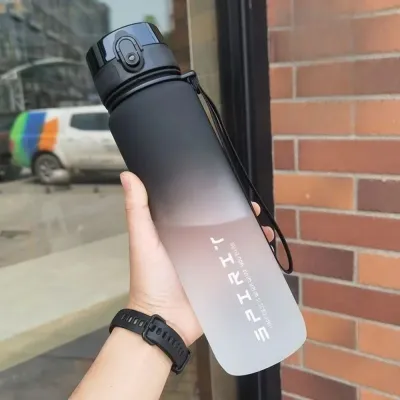
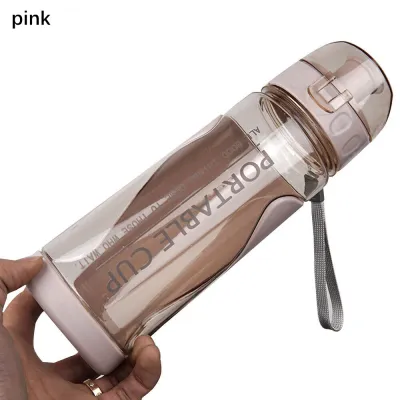
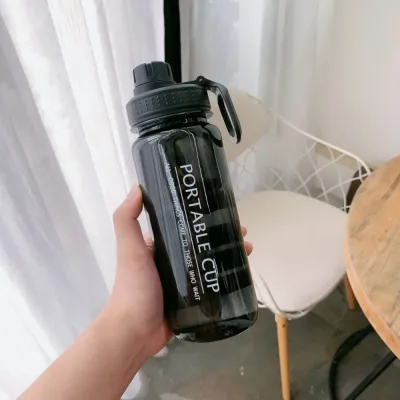
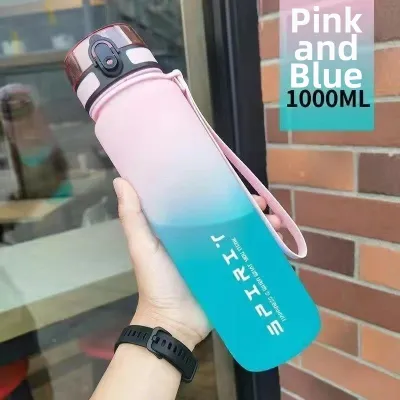
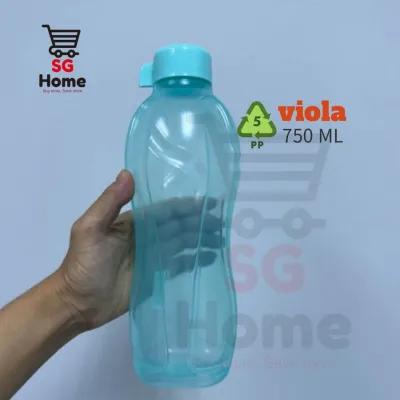
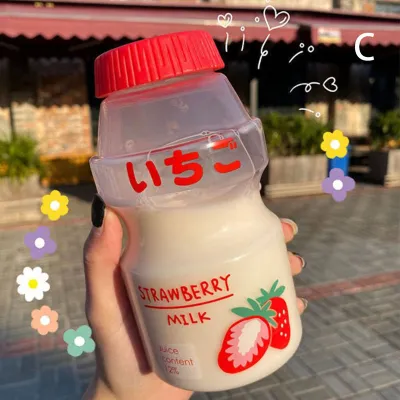
Prices are valid at publication and may change. Please refer to the product page for the latest price.
Another common material for sports bottles is polypropylene, identified by Code #5. Polypropylene is highly heat-resistant, lightweight, and semi-flexible, making it a popular choice for shaker cups and squeezable athletic bottles. While a recycling symbol identifies the chemical family of the plastic, it does not automatically guarantee safety for all usage scenarios. It simply serves as a starting point for evaluating physical properties.
Beyond the numerical codes, you will often encounter marketing labels such as “BPA-free” and “BPS-free.” Bisphenol A (BPA) is a chemical compound historically used to harden plastics, but concerns over its potential health effects have led to a widespread shift toward alternative materials. While a “BPA-free” label indicates the absence of this specific compound, some manufacturers have historically substituted it with Bisphenol S (BPS) or other bisphenols. To ensure comprehensive safety, look for products that explicitly state they are free from all bisphenols, or verify these claims against independent food-grade certifications, such as compliance with international food safety standards or local regulatory guidelines.
Evaluating Common Plastics in Sports Water Bottles
Sports hydration demands materials that can withstand physical abuse, rapid movement, and varying environmental conditions. While stainless steel and glass are excellent options, plastics remain favored for their low weight and versatility. Different sports require different bottle structures, meaning that a single plastic type cannot serve as a universal solution for every athletic activity.

Tritan (Copolyester) Characteristics and Limits
Tritan is a specialized copolyester known for its exceptional clarity, often resembling glass without the associated weight or fragility. This material is highly impact-resistant, meaning it is unlikely to shatter or crack when dropped on hard gym floors, outdoor running paths, or rocky hiking trails. Additionally, Tritan exhibits low odor and stain retention, allowing you to transition from sports drinks to plain water without lingering flavors.
Despite its durability, Tritan has specific physical limits that you must verify before use. While it is generally dishwasher-safe, you must check the manufacturer’s stated maximum temperature thresholds. Some Tritan bottles are designed to handle hot liquids, while others may feature lids, silicone seals, or decorative prints that degrade under high heat. Furthermore, exposing a rigid Tritan bottle to extreme temperature fluctuations—such as pouring boiling water into a bottle that was just in a cold environment—can induce structural stress and lead to micro-fractures over time.
Polypropylene (PP) and Flexible Alternatives
For activities like cycling or trail running, rigid bottles may not be the most practical choice. Polypropylene (PP) and flexible thermoplastic polyurethane (TPU) are widely used to manufacture squeezable sports bottles and collapsible hydration reservoirs. These materials are exceptionally lightweight and allow you to quickly squeeze water into your mouth while on the move, fitting easily into bicycle cages or hydration vests.
When using flexible plastics, verifying heat tolerance is particularly important. Flexible materials often have lower melting points and structural thresholds than rigid copolyesters. Before placing a squeezable bottle or flexible flask in a dishwasher, consult the care instructions, as the high-heat drying cycle can warp the plastic or compromise the welded seams. Additionally, regularly inspect the seam integrity and valve compatibility of these designs, as flexible joints are more prone to wear and tear under repeated pressure.
Safe Usage, Cleaning, and Temperature Management
Maintaining the safety and integrity of your plastic sports bottle depends heavily on how you clean and store it. Always adhere strictly to the manufacturer’s temperature guidelines. Using a plastic bottle outside its specified temperature range can accelerate the degradation of the polymer chains, potentially leading to warping, cloudiness, or the release of microscopic plastic particles.
Proper cleaning protocols are essential for preventing bacterial growth without damaging the bottle. While the main body of a Tritan bottle may be dishwasher-safe, complex lid assemblies, straws, and silicone gaskets often require hand washing. Use mild dish detergents and warm water rather than harsh chemicals like bleach or chlorine, which can break down the plastic surface and degrade the flexible seals. Avoid using highly abrasive scrubbers, such as steel wool or stiff wire brushes, as these can create deep scratches on the interior walls. These scratches can compromise the bottle’s integrity and serve as breeding grounds for bacteria.
Environmental heat exposure is another critical factor, especially in warm, tropical climates like Singapore. Avoid leaving your plastic water bottle in direct sunlight for extended periods, such as on an outdoor tennis court or football field. Similarly, do not leave a plastic bottle inside a parked vehicle, where internal temperatures can rise rapidly. Prolonged exposure to high ambient heat and ultraviolet (UV) radiation can accelerate the aging process of the plastic, making it brittle and more susceptible to cracking.
When to Replace Your Plastic Sports Bottle
No plastic water bottle is designed to last indefinitely. Regularly inspecting the physical condition of your bottle is crucial for ensuring that it remains safe and functional for daily hydration. Look for visual and tactile signs of degradation, such as persistent cloudiness that does not wash away, a sticky or tacky texture on the surface, or a network of fine cracks (crazing) within the plastic walls. These signs indicate that the polymer structure has begun to break down.
Lingering odors or stubborn stains are also strong indicators that it is time for a replacement. A persistent musty smell or flavor indicates the plastic has become porous or deeply scratched, allowing organic residues to lodge permanently.
Establish a regular replacement routine based on your usage intensity. If you use your bottle daily for high-impact sports, expose it to outdoor environments, or drop it frequently, you should inspect the threaded caps, silicone seals, and valves every few months. Replacing worn-out seals or upgrading the entire bottle when it shows clear signs of wear will help maintain a clean, leak-free, and safe hydration experience.
Frequently Asked Questions (FAQ)
Is it safe to leave a plastic water bottle in a hot car?
Leaving a plastic water bottle in a hot car is not recommended. The interior of a parked vehicle under the sun can reach temperatures that exceed the safe limits of many common plastics, accelerating the degradation of the material. If you accidentally leave your bottle in a hot car, empty any remaining liquid, rinse the bottle thoroughly with cool water, and inspect it for any signs of warping, soft spots, or unusual odors before using it again.
Can I put my plastic sports bottle in the microwave or freezer?
You should never place a plastic sports bottle in the microwave unless it features an explicit microwave-safe symbol and the manufacturer’s instructions permit it. Many sports bottles contain metal components in their lids or carry-loops, and the uneven heating of a microwave can easily warp or melt the plastic. Regarding the freezer, rigid plastics like Tritan are generally not designed to withstand the expansion of freezing water, which can cause the bottle to crack or split. If you prefer ice-cold water, it is safer to add ice cubes directly through the bottle’s opening rather than freezing the container itself.
Community discussion
Share your experience or ask a question. Comments are reviewed before publication.