
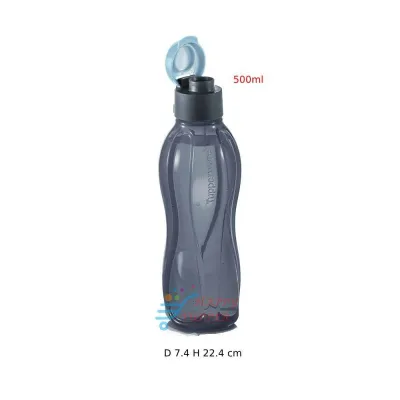
The insulation performance of a Tupperware 500ml bottle compared to other sports water bottle brands depends entirely on the specific model’s construction, specifically whether it is a single-wall plastic design or a double-wall vacuum-insulated stainless steel vessel. If you are evaluating a classic Tupperware 500ml plastic bottle, such as the widely recognized Eco Bottle, it lacks thermal insulation entirely. In this case, dedicated sports water bottles featuring double-wall vacuum insulation will significantly outperform it, keeping drinks cold for hours during intense workouts. Conversely, if you are looking at one of Tupperware’s specialized stainless steel insulated models, its performance may align closely with other sports brands. To determine the exact temperature retention capabilities of these insulated models, you must verify the manufacturer’s product labels and specifications rather than relying solely on brand reputation.
How Insulation Technologies Dictate Temperature Retention
To understand how different bottles perform during a workout, it is essential to look at the underlying physics of thermal transfer. Heat moves from warmer areas to cooler areas through three primary methods: conduction, convection, and radiation. In the context of a water bottle, conduction occurs when heat passes directly through the bottle’s walls to the liquid inside. Convection happens as air circulating around the bottle transfers its warmth to the exterior surface.
Standard water bottles generally fall into three structural categories: single-wall, double-wall air-insulated, and double-wall vacuum-insulated. Single-wall bottles, typically made of plastic or single-layer aluminum, offer no thermal barrier. Heat transfers almost instantly through the thin material, meaning cold water will quickly warm up to match the ambient room temperature. Double-wall air-insulated bottles feature an inner and outer wall with a small pocket of air trapped between them. While air is a poor conductor of heat compared to solid plastic or metal, it still allows gradual thermal transfer over time.
Products mentioned in this guide
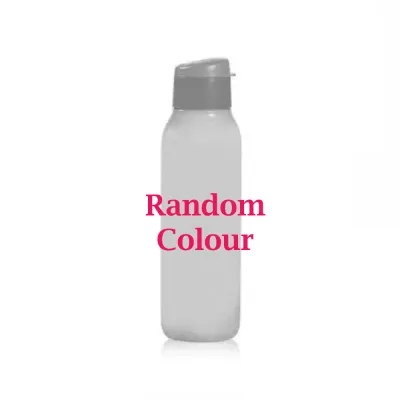
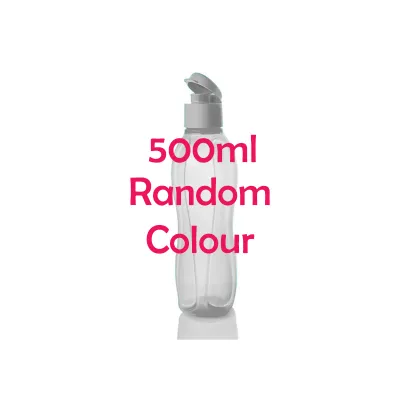
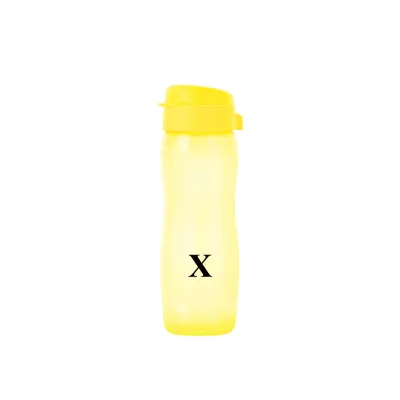
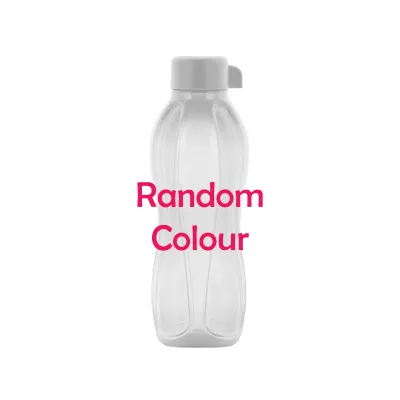
Prices are valid at publication and may change. Please refer to the product page for the latest price.
The standard for high-performance temperature retention is double-wall vacuum insulation. During manufacturing, the air between the inner and outer walls is completely evacuated, creating a vacuum. Because a vacuum contains no air molecules, conduction and convection cannot occur across this space. This structure effectively traps the temperature of the liquid inside, keeping cold drinks chilled or hot drinks warm for extended periods.
Material choices also play a critical role in thermal transfer and usability. For instance, Tritan plastic and other food-grade polymers are highly durable and lightweight, but they cannot support a true vacuum seal because the material is too flexible and porous compared to metal. Stainless steel, particularly food-grade 18/8 stainless steel, is rigid enough to withstand the pressure of a vacuum seal, making it a common material for high-performance insulated bottles. When shopping, always check the product packaging or manufacturer specifications for terms like “vacuum insulated” rather than assuming a bottle is insulated simply because it has double walls or a premium brand name.
Assessing Tupperware 500ml Bottles for Workout Insulation
When preparing for a workout, evaluating the specific Tupperware 500ml bottle you own or plan to purchase is crucial for managing your hydration expectations. Tupperware produces a wide variety of containers, and not all are designed for thermal performance. You can easily identify the structural characteristics of your bottle through a few simple, observable cues.

First, examine the material and weight. A classic Tupperware 500ml plastic bottle is lightweight, flexible when squeezed, and often translucent, allowing you to see the liquid level inside. These are clear indicators of a single-wall plastic construction. If you fill this bottle with ice-cold water and step into a warm environment, such as an outdoor fitness corner or a non-air-conditioned gym, you will notice condensation, or “sweating,” forming on the exterior almost immediately. This condensation is a physical sign that heat from the surrounding air is rapidly transferring through the plastic wall, warming your water.
In contrast, an insulated Tupperware stainless steel bottle will feel significantly heavier even when empty, feature rigid, non-squeezable walls, and remain completely dry on the exterior regardless of how cold the liquid is inside. The absence of condensation confirms that the thermal barrier is functioning correctly, preventing the external ambient heat from reaching your beverage.
Choosing between these two styles involves clear practical trade-offs. A lightweight plastic Tupperware 500ml bottle is exceptionally easy to carry, fits effortlessly into standard bicycle cages or backpack side pockets, and poses little risk of heavy impact damage if dropped on a gym floor. However, it will not keep your water cold. A heavier, insulated alternative provides the luxury of refreshing, cold water throughout a long, grueling workout, but it adds noticeable weight to your gear bag and can be more cumbersome to carry during active movement.
Additionally, always consult the specific product’s care instructions and maximum temperature limits before use. Many plastic sports bottles are not rated for hot liquids, and exposing them to boiling water can lead to warping, structural degradation, or compromised seals, which can cause leaks during your workout.
Key Insulation Features to Compare Across Sports Brands
When comparing a Tupperware 500ml bottle to dedicated sports water bottle brands, looking beyond the body of the bottle to other design elements is essential. The lid mechanism is one of the most critical factors influencing both temperature retention and usability during exercise. Every time you open a bottle, you introduce ambient air, which accelerates heat transfer.
Lid designs such as screw caps, flip-tops, and straw lids each have distinct thermal profiles. A solid, insulated screw cap provides a highly secure thermal seal because it minimizes the surface area through which heat can escape and typically features a thick gasket. However, unscrewing a cap during a high-intensity workout or while running on a treadmill can be inconvenient. Flip-tops and straw lids offer quick, one-handed access, making them highly popular for sports. The trade-off is that these lids often feature thinner plastic components and integrated valves that can allow minor heat transfer, slightly reducing the overall insulation efficiency compared to a solid screw cap.
To make an informed comparison, evaluate the manufacturer-stated hot and cold retention hours. Reputable sports brands typically list these specifications clearly on their packaging (for example, “keeps cold for 24 hours, hot for 12 hours”). Use these ratings as a baseline, but keep in mind that real-world workout conditions will vary. A bottle left in a hot car, placed on sunny artificial turf, or opened frequently during a workout will not maintain its temperature as long as the laboratory testing suggests.
Another practical consideration is exterior condensation and grip. In humid climates, a non-insulated bottle that sweats heavily can become incredibly slippery. This poses a safety hazard if you are lifting weights or handling delicate gym equipment. Many dedicated sports bottles feature powder-coated exteriors, silicone sleeves, or textured grips specifically designed to ensure a secure hold even when your hands are sweaty. If your chosen Tupperware model lacks these features, you may need to check for compatible aftermarket silicone sleeves to ensure safe handling during active use.
Decision Framework: Matching Bottle Insulation to Your Workout
Selecting the right bottle requires matching its specific insulation capabilities to the nature of your physical activities and environmental conditions. There is no single option that excels in every scenario, so a conditional approach is best.
If your routine consists of long-duration outdoor workouts, such as long-distance running, cycling, or outdoor boot camps where you are exposed to direct sunlight and high ambient temperatures, a double-wall vacuum-insulated sports bottle is highly recommended. In these environments, maintaining a cool hydration source is not just a matter of comfort; it helps regulate your core body temperature and encourages consistent fluid intake. For these activities, the thermal performance of a dedicated vacuum-insulated bottle justifies the extra weight and cost, which typically ranges from S$30 to S$60 depending on the brand and features.
Conversely, if your workouts are primarily short-duration indoor gym sessions, yoga classes, or quick runs on a treadmill in an air-conditioned fitness center, a lightweight Tupperware plastic 500ml bottle may be the more practical choice. Because you have easy access to water refills and your workout is completed relatively quickly, long-term temperature retention is less critical. The primary advantages here are portability, ease of cleaning, and a lighter load in your gym bag.
Before making a final decision or purchase, always verify if the specific Tupperware model—especially if you are considering their stainless steel lines—meets your required temperature retention hours and leak-proof standards. Check the product specifications to ensure the lid design is suitable for your sport, and confirm that the physical dimensions fit your vehicle’s cup holders or your bicycle’s bottle cage.
Frequently Asked Questions (FAQ)
Is It Safe to Put Boiling Water in a Plastic Tupperware 500ml Bottle?
Before pouring hot liquids into any plastic container, you must check the manufacturer’s maximum temperature rating, which is typically embossed on the bottom of the bottle or listed in the product manual. Many standard plastic sports bottles, including various Tupperware Eco Bottle models, are designed strictly for cold or room-temperature liquids. Exposing these plastics to boiling water can cause the material to warp, weaken the structural integrity of the bottle, and damage the silicone seals, leading to persistent leaks and potential burn hazards during use.
Do Interior Scratches Compromise Vacuum Insulation?
Cosmetic damage, such as minor interior scratches caused by bottle brushes or ice cubes, generally does not compromise the thermal performance of a vacuum-insulated stainless steel bottle. The vacuum barrier is sealed in a separate chamber between the inner and outer metal walls, completely isolated from the interior surface. However, if the bottle suffers a severe impact that results in a deep dent, the inner and outer walls may touch, or the vacuum seal itself may rupture. If you notice the exterior of your insulated bottle becoming hot to the touch when filled with warm liquid, or if condensation begins to form on the outside, the vacuum seal has likely failed, and the bottle will need to be replaced.

Community discussion
Share your experience or ask a question. Comments are reviewed before publication.