
A 20-inch bike is typically suitable for children aged 6 to 9 years old, with a height range between 115 cm and 135 cm. However, relying solely on age or overall height can lead to an improper fit that compromises safety. Every child’s physical proportions, balance, and coordination develop at different rates. To ensure a safe and comfortable ride, you must evaluate their inseam measurement, physical handling skills, and the specific design of the bicycle frame.
Transitioning to a 20-inch wheel size represents a major milestone. This category often introduces features found on adult bicycles, such as hand-operated brakes, multiple gears, and suspension forks. Because these components add complexity and weight, selecting the correct size is a critical safety decision that directly impacts your child’s ability to control the bicycle.
Standard Twenty Inch Bike Size Chart and Guidelines
When researching the right bicycle for your child, general industry size charts offer a helpful baseline. These charts typically categorize bicycles by wheel diameter rather than frame size, which is the standard for adult bikes. For a 20-inch wheel diameter, the standard fit guidelines generally align with the following physical measurements:
Products mentioned in this guide

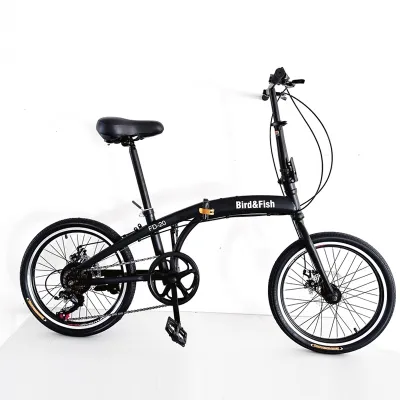
9 Lazada user ratings
Price and quality is good. Customer service is not good. Take long time to deliver.
The black bicycle arrived with plastic covering most of the parts.
Item received n in good condition
脚车good又配送前后灯.密码锁y手动充气器。
Stylish black color,
66 Lazada user ratings
Delivery delay, received product after 2 weeks without basket. the reissued basket delivered after one week. Product is good, come with gift…Read full reviewShow less
Delivery delay, received product after 2 weeks without basket. the reissued basket delivered after one week. Product is good, come with gift ( small air pump and 2 bicycle lights)
Very fast delivery. Ordered on 28th and received on 30th. Same as advertised. And lock free gifted. Thanks supplier
prompt delivery. item was delivered in assembled state. very thoughtful of seller. meet my expectations
Smooth gear shifting., Easy to assemble and use., Comfortable riding experience.,
my 2nd purchase...14 inch is so cute but got scracth havent try
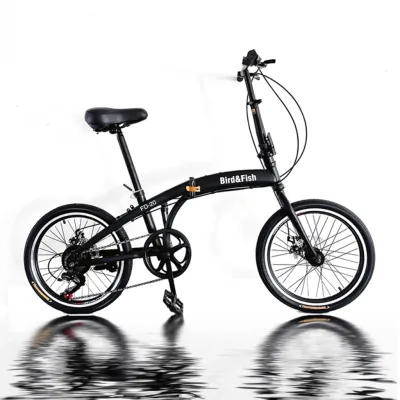
52 Lazada user ratings
Great value for money, highly recommended!, The seat is comfortable for long rides., Fast shipping, received within a week., High-quality Sh…Read full reviewShow less
Great value for money, highly recommended!, The seat is comfortable for long rides., Fast shipping, received within a week., High-quality Shimano gear system., Surprisingly come with free gift 🎁, 2bicycle led lights front n back and lock
Just right for the price. Item received in good condition. NEED TO IMPROVEMENT ON DELIVERY TIME AS PER DELIVERY STATUS DISPLAY ON LAZADA APP…Read full reviewShow less
Just right for the price. Item received in good condition. NEED TO IMPROVEMENT ON DELIVERY TIME AS PER DELIVERY STATUS DISPLAY ON LAZADA APPS.
the bicycle is nice. the colour is nice. delivery is fast.
Convenient and space-saving foldable design.
Great value for money, highly recommended!,
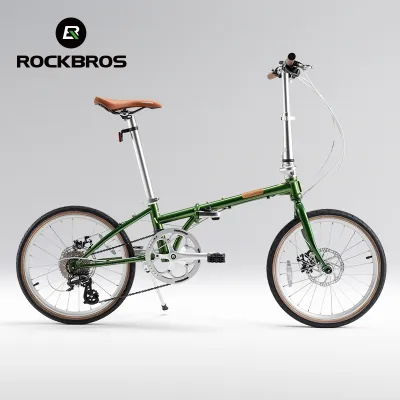
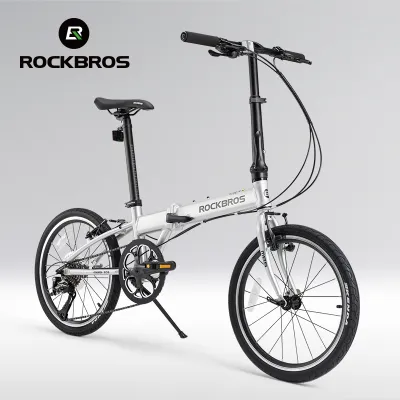
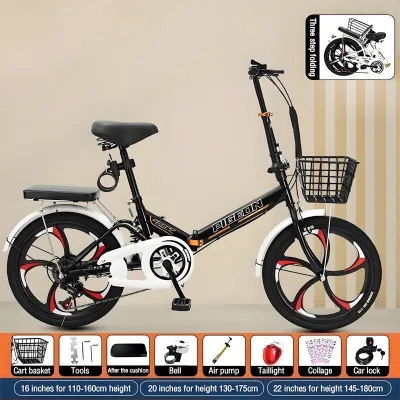
1 Lazada user ratings
My son loves his bicycle. Happy with this purchase.
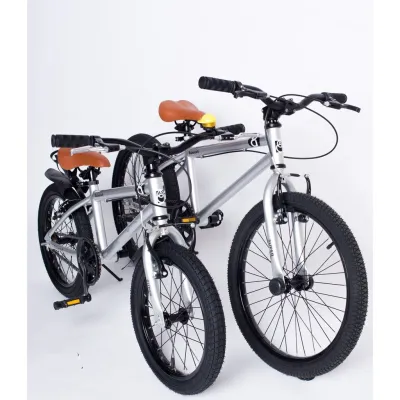
6 Lazada user ratings
Nice bike. Faster delivery. Seller accommodated our requests for delivery. Have give few goodies too.
Beautiful, sturdy bicycle. Seller is very helpful and responsive. Highly recommended!
Excellent service from the seller, excellent product and fast delivery.
Bike is good for my grand daughter. Very sturdy, quality looks good
Prices are valid at publication and may change. Please refer to the product page for the latest price.
| Metric | Typical Range |
|---|---|
| Rider Age | 6 to 9 years old |
| Rider Height | 115 cm to 135 cm |
| Inseam Length | 50 cm to 63 cm |
| Wheel Diameter | 20 inches (approx. 50.8 cm) |
While this table provides a reliable starting point, you should never rely on wheel size alone. The term “20-inch bike” refers strictly to the outer diameter of the inflated tires, not the dimensions of the frame itself. Two different bicycle models with identical 20-inch wheels can feature vastly different frame geometries, top tube lengths, and bottom bracket heights. Consequently, one model might fit a younger child perfectly, while another might require a much taller rider.
To find a safe match, you must prioritize the child’s inseam measurement over their total height. The inseam determines whether the child can comfortably clear the top tube when standing flat-footed over the frame. This clearance is vital for preventing injuries during sudden stops. Before making a purchase, always consult the manufacturer’s published standover height and minimum seat height specifications to verify how they align with your child’s unique proportions.
Observable Signs Your Child Is Ready for a 20-Inch Bike
Determining readiness for a larger bicycle requires observing how your child interacts physically with the machine. Before allowing them to ride, have them straddle the bike frame with both feet flat on the ground. There should be a minimum clearance of 2.5 to 5 cm (1 to 2 inches) between their crotch and the top tube. If they cannot stand flat-footed over the frame without leaning the bike to one side, the frame is too large, and they should remain on a smaller size for safety.

Another critical physical check is their seating posture and reach to the handlebars. When sitting on the saddle, your child should be able to reach the handlebars comfortably with a slight bend in their elbows. If their arms are fully locked or their back is excessively arched forward, their control over the steering will be severely compromised. They must be able to turn the handlebars fully to both sides without stretching their shoulders or losing their balance on the seat.
Beyond static physical measurements, you must assess your child’s physical strength and coordination. A 20-inch bicycle is significantly heavier and faster than a 16-inch model. Verify that your child has the physical strength to lift the bike off the ground, support its weight when stopping, and push off confidently. If the bike features hand brakes, verify that their hands are large and strong enough to squeeze the brake levers fully to bring the bicycle to a complete stop.
Finally, evaluate their riding skills and confidence levels, especially if they are transitioning to public paths or areas near traffic. Larger wheels carry more momentum, resulting in higher speeds. Before riding in complex environments, ensure your child can steer predictably, look over their shoulder without swerving, and execute emergency stops. If they struggle with basic balance or panic when speed increases, they are not yet ready for the added responsibility of a larger, faster bicycle.
How to Accurately Measure Your Child for the Size Chart
To make the most of any twenty inch bike size chart, you must obtain precise physical measurements of your child. Because riding shoes add height and alter leg extension, always conduct these measurements while your child is wearing the closed-toe shoes they typically use for cycling. This ensures the measurements reflect real-world riding conditions.
To measure your child’s total height accurately, have them stand flat against a straight wall with their heels, buttocks, and shoulders touching the surface. Place a flat, hard object like a hardcover book or a ruler flat on top of their head, keeping it parallel to the floor. Make a light pencil mark on the wall where the underside of the object meets the surface, then use a tape measure to record the distance from the floor to the mark.
Measuring the inseam requires a slightly different technique to simulate the pressure of a bicycle saddle. Have your child stand against the wall with their feet spaced about shoulder-width apart. Place a hardcover book between their legs, spine facing upward, and slide it up until it firmly mimics the upward pressure of sitting on a bike seat. Keeping the book perfectly level against the wall, mark the top edge of the book on the wall. Measure the distance from this mark straight down to the floor to find their true riding inseam.
Once you have these two measurements, compare them directly to the specific bicycle’s technical specifications. The child’s inseam should be at least equal to, or ideally slightly longer than, the bike’s published standover height. Additionally, check the minimum seat height; for beginners, the minimum seat height should match their inseam so they can touch the ground with flat feet, while experienced riders can comfortably use a minimum seat height that is slightly higher than their inseam.
Adjusting the Fit and Knowing When to Wait or Size Up
Children grow rapidly, which often tempts parents to purchase a bicycle that is slightly too large with the expectation that the child will “grow into” it. However, riding an oversized bicycle is highly dangerous, as it reduces steering control and increases the risk of serious falls. If your child falls directly between sizes, it is almost always safer to maximize the adjustments on their current smaller bike or wait until they grow, rather than forcing them onto a frame they cannot safely control.
When adjusting a bicycle to accommodate a growing child, you must respect the manufacturer’s safety limits. Both the seat post and the handlebar stem feature engraved “minimum insertion” or “maximum height” lines. Never raise these components beyond these safety marks. Doing so reduces the amount of metal supporting the frame joints, which can lead to sudden structural failure, component breakage, and severe injury during a ride.
You can easily identify when a child has truly outgrown their current smaller bicycle by observing their riding posture. If their knees are consistently hitting the handlebars during tight turns, or if their knees rise above hip level at the apex of the pedal stroke, the frame is too small. A cramped riding position causes rapid fatigue, poor power transfer, and unstable steering, indicating that it is time to transition to a 20-inch model.
To maximize the usable lifespan of a new 20-inch bike, evaluate the frame’s design and adjustment range rather than buying an oversized frame. Look for models with highly adjustable seat posts, adjustable handlebar angles, and low-slung top tubes. These design features allow the bicycle to adapt to your child’s growth trajectory safely, ensuring they enjoy a comfortable, ergonomic fit from the day of purchase until they are ready for their next transition.
Frequently Asked Questions (FAQ)
Can a child ride a 20-inch bike if they are slightly shorter than the chart suggests?
Yes, a child who is slightly shorter than the recommended height range can safely ride a 20-inch bike, provided their inseam measurement is long enough to clear the frame’s standover height. Physical confidence, balance, and hand-braking strength are far more critical than overall height. If the child can comfortably reach the ground and control the bike’s weight, a slightly shorter stature is not a barrier. However, if they struggle to reach the controls or lack the strength to stop safely, you should wait until they grow.
What is the difference between a 20-inch BMX and a standard 20-inch kids' bike?
The primary difference lies in the frame geometry, riding posture, and intended use. Standard 20-inch kids’ bikes are designed for recreational riding, featuring geometries that support comfortable, upright seating and efficient pedaling over longer distances. A 20-inch BMX bike, however, is engineered for tricks, racing, or dirt jumping. BMX frames typically feature a much lower seat position, a longer top tube, and heavy-duty construction to withstand impacts. Because of these distinct design differences, standard size charts do not apply directly to BMX bikes, which require a separate fit assessment based on the specific riding style.

Community discussion
Share your experience or ask a question. Comments are reviewed before publication.