
Finding a single air pump that can seamlessly transition from inflating a high-pressure road bike tire to a high-volume beach float or a delicate football is a common challenge for active households in Singapore. With limited storage space in typical local apartments, consolidating your sports gear accessories makes practical sense. However, the physical demands of these various items are fundamentally different. High-pressure tires require focused, low-volume force, while large inflatables demand massive volumes of air at very low pressure. To avoid buying multiple single-purpose tools, you must understand how different pump designs bridge this gap. By evaluating the core mechanics of pressure versus volume, checking valve compatibility, and identifying the strengths of various brand categories, you can select a versatile inflation solution that keeps all your gear ready for action.
Core Requirements for a True Multi-Purpose Pump
To find a pump that truly does it all, you must first understand the mechanical trade-offs between pressure and volume. Air pumps are generally designed around a specific cylinder size. A narrow cylinder allows you to generate high pressure (measured in PSI) with reasonable physical effort, which is essential for bicycle tires. However, because each stroke pushes only a small amount of air, using a narrow-cylinder pump to inflate a large pool lounge or an air bed is incredibly tedious and time-consuming. Conversely, a wide-cylinder pump moves a large volume of air with every stroke, making quick work of large inflatables, but it becomes nearly impossible to pump past a certain pressure threshold because the physical resistance becomes too great for manual operation. A true multi-purpose pump must find a way to balance or adapt to these competing physical demands.
Power source selection also plays a critical role in determining a pump’s versatility and usability. Manual pumps, including traditional floor track pumps and foot pumps, rely entirely on physical leverage. They are highly reliable because they do not require batteries or electrical outlets, making them excellent for keeping in a utility closet or taking to outdoor venues. However, they require physical exertion that might not be suitable for everyone, especially when inflating large items. Electric pumps, powered by rechargeable lithium-ion batteries or 12V car adapters, eliminate physical labor and can quickly fill high-volume items. Yet, they introduce electronic components that are sensitive to moisture, heat, and battery degradation, and they require careful monitoring of their operational duty cycles to prevent motor damage.
Products mentioned in this guide
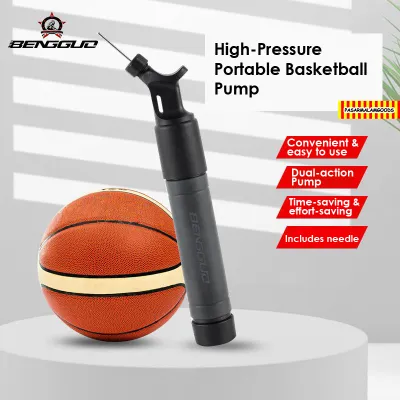
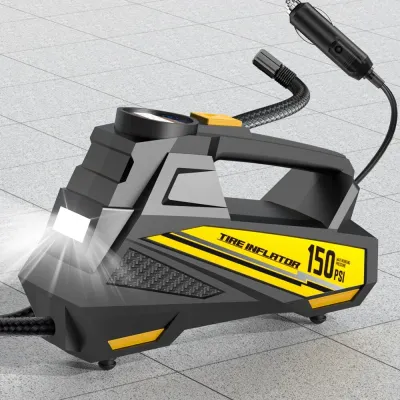
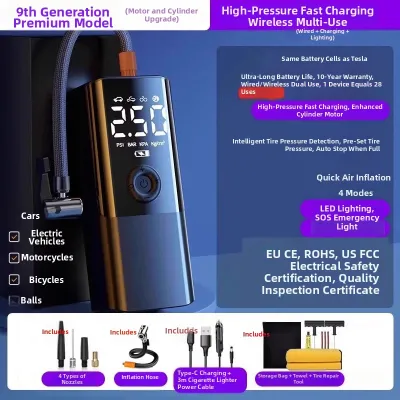
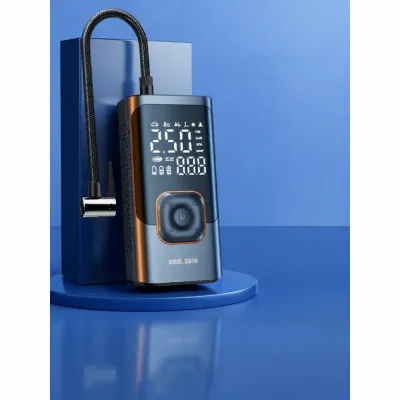
Prices are valid at publication and may change. Please refer to the product page for the latest price.
Finally, a versatile pump is only as good as its connection interface. Manufacturers of multi-purpose pumps must include a comprehensive, secure adapter kit. Without the correct nozzle or needle, even the most powerful pump is useless. A high-quality kit should feature a secure storage system directly on the pump body to prevent these small parts from getting lost in transit or storage. When evaluating options, look for robust threaded or locking connections rather than loose friction-fit adapters, which frequently pop off under pressure and lead to air leakage.
Evaluating Brand Categories for Versatility
When searching for a versatile pump in Singapore, you will encounter several distinct brand categories, each with its own historical focus and engineering priorities. Understanding these categories helps you anticipate where a particular pump will excel and where it might require additional accessories. Rather than relying on generic marketing claims of universal compatibility, you should analyze whether a brand’s primary heritage lies in cycling, general outdoor recreation, or smart consumer electronics, as this focus dictates the pump’s physical capabilities and included attachments.

Dedicated Cycling Brands
Brands that specialize in cycling equipment design their pumps primarily for high-pressure performance and long-term durability. These pumps excel at inflating bicycle tires, easily handling the high PSI requirements of road bikes as well as the high-volume needs of tubeless mountain bike tires. They typically feature robust, heavy-duty metal barrels, stable base plates, and highly accurate, easy-to-read analog or digital pressure gauges. Their pump heads are engineered to connect securely to Presta and Schrader valves, ensuring an airtight seal that minimizes pressure loss during connection and disconnection.
However, when it comes to non-cycling applications, dedicated cycling pumps often reveal clear limitations. Because their primary focus is high pressure, their internal chambers are relatively narrow, meaning they move less air volume per stroke. Using a cycling floor pump to inflate a large family pool float or a camping mattress can become an exhausting workout. Furthermore, these brands do not always include a wide variety of plastic nozzles or ball needles as standard accessories. If they do, these adapters are often small add-ons that must be stored separately, increasing the risk of loss. To use a cycling pump for general sports gear, you will often need to purchase aftermarket adapter kits and accept slower inflation times for high-volume items.
General Outdoor and Sporting Goods Brands
General outdoor and sporting goods brands design their inflation equipment with broad utility in mind. These brands cater to families and multi-sport enthusiasts who need to inflate footballs, basketballs, pool toys, and camping air beds on a regular basis. Consequently, their pumps almost always come equipped with a complete suite of adapters, including metal ball needles and various sizes of tapered plastic nozzles, often housed in a dedicated compartment on the pump itself. Their designs prioritize ease of use, portability, and rapid high-volume air delivery.
The trade-off for this broad utility is often a lower maximum pressure capability. Many general sporting goods pumps are constructed primarily of lightweight plastics, which can flex or leak when subjected to high pressures. While they are perfect for low-pressure inflatables and standard sports balls, they often struggle to reach the high PSI levels required for performance road bicycles or specialized high-pressure stand-up paddleboards. Attempting to force a low-pressure outdoor pump to inflate a high-pressure tire can result in physical exhaustion, gauge inaccuracies, or even structural failure of the pump handle or hose connections. If your household gear includes high-pressure equipment, you must carefully verify the maximum pressure rating of these general-purpose pumps.
Smart Electric Pump Brands
Smart electric pumps represent a modern, highly convenient category that has gained significant popularity among Singaporean consumers. These compact, battery-powered devices use electric motors to automate the inflation process entirely. Their primary advantage is precision; they feature digital screens that display real-time pressure readings and allow you to set a target PSI. Once the target pressure is reached, the pump automatically shuts off, preventing over-inflation and protecting delicate sports equipment or bicycle tires from damage. Their portable, cordless nature makes them incredibly easy to carry in a backpack during outdoor activities or keep in a car trunk.
Despite their convenience, smart electric pumps have distinct operational limits that you must verify before purchase. Because they rely on small electric motors compressed into compact housings, they generate significant heat during operation. When inflating high-volume items like large air mattresses or inflatable kayaks, the motor must run continuously for several minutes, which can lead to overheating. You must check the manufacturer’s specified duty cycle—the maximum continuous run time allowed before the unit requires a cooling-off period. Additionally, their battery capacity limits how many items you can inflate on a single charge, and their overall lifespan is tied to the health of their internal lithium-ion batteries, which can degrade over time in Singapore’s warm, humid climate.
Valve Compatibility and Pressure Limits: What to Check Before Buying
Before finalizing your purchase, you must perform a detailed audit of the valves on your existing equipment and compare them against the specifications of the pump you are considering. Sports gear utilizes a wide variety of valve designs, and a mismatch will render your pump unusable. Bicycle tires typically use either Schrader valves (the wide, threaded valves also found on car tires) or Presta valves (the narrower, threaded valves with a lock nut found on performance bikes). Some older or utility bicycles may use Dunlop valves. For sports balls like basketballs, soccer balls, and netballs, you will need a standard metal inflating needle that inserts into a rubber self-sealing valve. Large inflatables, such as air beds, pool floats, and inflatable boats, often use wide Boston valves, pinch valves, or specialized high-pressure valves. Ensure the pump head natively supports your primary valve types or includes secure, threaded adapters for them.
Next, compare the maximum pressure rating of the pump with the highest pressure requirement among your gear. This information is typically printed directly on the sidewall of your tires or near the valve of your sports equipment. For example, road bike tires often require pressures ranging from 80 to over 100 PSI, whereas standard sports balls only require 8 to 15 PSI, and large recreational inflatables operate at very low pressures, often under 2 PSI. A pump rated for a maximum of 50 PSI will be completely inadequate for a road bike, even if it easily handles your basketballs and pool floats. Conversely, using a high-pressure pump on a low-pressure inflatable requires extreme caution, as a single accidental over-stroke or incorrect setting can instantly rupture the material.
Finally, pay close attention to the quality and fit of the ball needles and plastic nozzles. Cheap, poorly manufactured needles often have rough edges or incorrect thread pitches that can damage the delicate rubber valves of your sports balls, leading to slow leaks. Look for pumps that feature brass or high-grade stainless steel needles with smooth, rounded tips. When testing the pump, verify that the adapters lock tightly into the pump head without any audible air escaping. A loose connection not only wastes physical or electrical energy but also prevents accurate pressure readings on the pump’s gauge, making it difficult to monitor the inflation process safely.
Where to Verify and Purchase in Singapore
When shopping for a multi-purpose air pump in Singapore, you have access to a variety of physical and digital retail channels, each offering distinct advantages for verifying product quality. Visiting physical stores is highly recommended if you want to test the ergonomics and build quality of a pump before committing. Local bicycle shops across the island are excellent places to evaluate high-quality manual floor pumps and premium electric models. The staff at these shops can provide expert advice on valve compatibility and demonstrate how to operate the pump heads. For a broader selection of general-purpose and budget-friendly pumps, large-scale sporting goods retailers offer hands-on displays where you can physically inspect the included adapter kits, check the weight of portable models, and assess the stability of manual pump bases.
If you prefer the convenience of online marketplaces, you must exercise caution to ensure you receive a genuine product with all necessary accessories. When browsing ecommerce platforms, carefully read the product descriptions and customer reviews to confirm that the adapter kit listed matches the local stock and includes the specific nozzles you require. Many online listings use generic images that may not accurately represent the actual contents of the package. Look for reputable sellers who offer clear product specifications and responsive customer service.
Additionally, prioritize purchasing from sellers or brands that provide local warranty coverage in Singapore. Because air pumps contain moving parts, seals, and sometimes complex electronics or batteries, having access to local after-sales support is invaluable. A local warranty ensures you can easily obtain a replacement or repair if the pump experiences a manufacturing defect. It is also wise to check if the brand offers replacement parts, such as O-rings, hoses, and individual valve adapters, as these components naturally wear out over time and are much cheaper to replace than buying an entirely new pump.
Maintenance and Storage for Long-Term Versatility
Proper maintenance and storage are essential to preserve the performance and extend the lifespan of your multi-purpose air pump, especially in Singapore’s tropical climate. High humidity and warmth can accelerate the degradation of rubber seals, hoses, and plastic components. After using your pump outdoors, particularly at the beach or in muddy parks, take the time to clean and dry the adapters and pump body. Sand, grit, and moisture can easily find their way into the valve connections or the pump cylinder, causing internal scratching, air leaks, and premature wear on the piston seals. Wipe down the exterior with a clean, damp cloth and ensure all components are completely dry before storing them.
How you store the pump’s hose is equally important. Avoid wrapping the hose tightly around the pump body or bending it at sharp angles, as this can cause kinking, cracking, and internal structural failure over time. Instead, store the hose in loose, natural loops, utilizing any built-in hose clips provided by the manufacturer. Keep the pump stored in a cool, dry place away from direct sunlight, which can dry out rubber hoses and make plastic housings brittle.
Regularly inspect the pump’s O-rings and internal seals for signs of wear, such as cracking or flattening. If you notice a loss of pressure or hear air escaping from the pump head, a worn O-ring is the most likely culprit. Many manufacturers recommend lubricating the moving parts and seals periodically. If you do so, use only the specific lubricants recommended in the user manual—typically silicone-based grease—as petroleum-based lubricants can degrade rubber and plastic components, permanently damaging your pump.
Frequently Asked Questions (FAQ)
Can a single manual pump efficiently inflate both a road bike tire and a large air mattress?
While a single manual pump can physically inflate both, doing so is rarely efficient due to the physical trade-offs of cylinder design. A pump designed to reach the high pressures of a road bike tire has a narrow cylinder, which moves very little air per stroke, making the inflation of a large air mattress an incredibly slow and exhausting process. Conversely, a high-volume pump designed for air mattresses cannot generate the force required for a road bike tire. For optimal efficiency, users with both high-pressure and high-volume needs often find that a dual-chamber manual pump or a smart electric pump is a more practical solution.
Do smart electric pumps overheat when inflating multiple large inflatables?
Yes, smart electric pumps are highly susceptible to overheating when used continuously for high-volume tasks. Because their compact housings limit heat dissipation, the small electric motors generate significant thermal energy during prolonged operation. To prevent damage, you must check the manufacturer’s specified duty cycle, which often recommends resting the pump for several minutes after a set period of continuous use. Many modern electric pumps include automatic thermal shutdown features that temporarily disable the device if it reaches unsafe temperatures, protecting the motor and battery from permanent heat damage.
How do I know if a pump's ball needle will fit standard sports equipment?
Most sports equipment, including basketballs, soccer balls, and volleyballs, utilizes a standardized valve size that fits standard metal inflating needles. These needles typically feature a universal thread size that screws securely into the pump hose or adapter. To ensure compatibility, verify that the pump includes a standard metal needle rather than a proprietary plastic nozzle. When inflating sports balls, always moisten the needle with a little water or glycerin before gently inserting it into the valve. This lubrication protects the delicate internal rubber bladder from tearing or being pushed out of alignment, which is a common cause of permanent valve leaks.
Community discussion
Share your experience or ask a question. Comments are reviewed before publication.