
Using a weighted pull-up belt with a standard doorframe pull-up bar in an HDB flat carries significant safety and property damage risks. Standard doorframe bars are primarily engineered to support static bodyweight; the additional dynamic forces and leverage generated by added weight can easily exceed the structural limits of both the equipment and the doorframe. While progressive overload is essential for muscle growth, attempting to load a pull-up belt on a temporary doorframe setup often leads to sudden equipment failure, costly home repairs, or severe physical injury.
To train safely at home, you must understand how these forces interact with your equipment, evaluate the structural integrity of your HDB flat’s doorframes, and identify when to transition to more robust training alternatives.
Understanding Doorframe Pull-Up Bar Load Limits
Before looping a pull-up belt around your waist and hanging weight plates, you must understand the mechanical difference between static bodyweight and dynamic weighted loads. When you hang quietly from a bar, you exert a static load. However, the moment you pull upward, drop down, or swing slightly, you introduce dynamic force. This movement generates significant shear force and torque on the mounting points. Adding external weight via a pull-up belt multiplies these dynamic forces, often pushing the total load far beyond the nominal weight rating of the bar.
Products mentioned in this guide
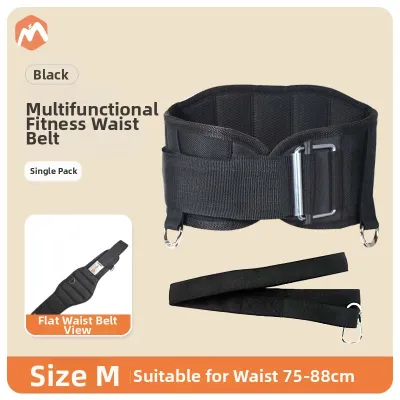
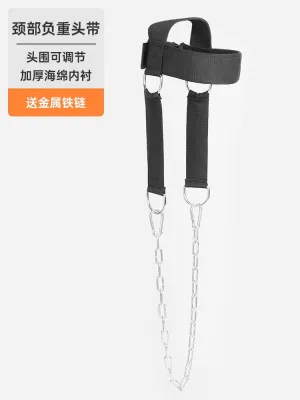
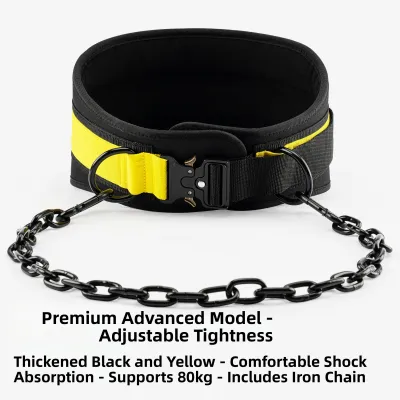
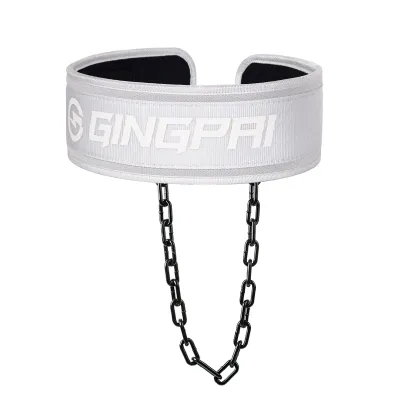
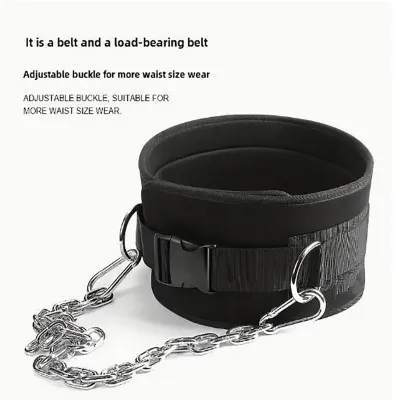
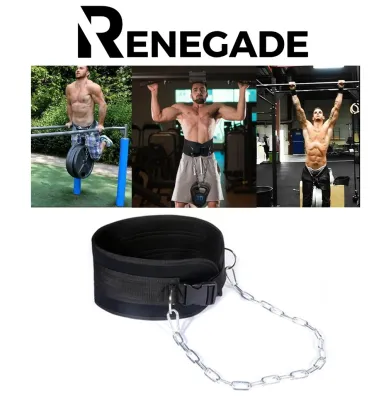
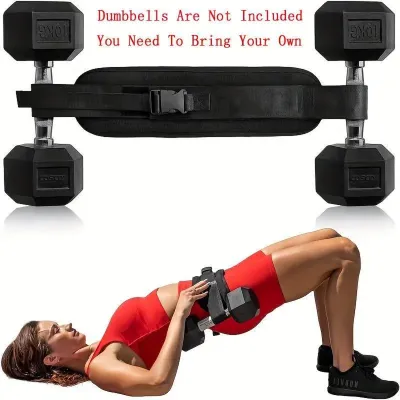
Prices are valid at publication and may change. Please refer to the product page for the latest price.
To determine if your equipment can handle any extra weight, locate and interpret the manufacturer’s maximum weight capacity. This specification is typically printed on the product label, the original packaging, or within the user manual. Keep in mind that these ratings are calculated under controlled laboratory conditions with static loads. They do not account for the sudden, jerky movements that often occur when training near failure with heavy plates.
Furthermore, the physical limitations of tension-mounted and leverage-based doorframe bars make them highly unsuitable for asymmetrical or heavy loads. Tension bars rely solely on outward friction against the doorframe. Any flexing of the frame reduces this friction, which can cause the bar to slip instantly. Leverage-based bars distribute weight across the top architrave and the sides of the frame; however, they are highly sensitive to changes in center of gravity. If the weighted belt swings even slightly, it creates asymmetrical torque that can twist the bar off its support points.
Assessing Your HDB Doorframe and Wall Structure
Evaluating whether your specific HDB doorframe or surrounding wall can structurally handle extra stress requires a close look at local construction materials. In Singapore, HDB flats feature different doorframe designs depending on the age of the estate. Older flats often have solid timber frames, while newer units commonly feature thin metal cladding or lightweight timber architraves. These modern frames are designed for aesthetics and basic privacy doors, not to act as load-bearing gym rigs. Metal cladding can easily dent or warp under pressure, while thin timber can split under concentrated loads.

It is equally important to distinguish between solid reinforced concrete (RC) walls and non-load-bearing partition walls in your HDB layout. Structural RC walls are incredibly dense and capable of supporting heavy fixtures when properly anchored. In contrast, internal partition walls—often made of lightweight concrete panels, gypsum board, or hollow bricks—will crumble or crack under localized pressure. Mounting a pull-up bar or placing heavy leverage loads on a partition wall is a direct path to structural failure.
Before installing any bar, perform visual checks for pre-existing weaknesses in the doorframe area. Inspect the architrave (the decorative molding surrounding the frame) for gaps, hairline cracks, or signs of wood rot. Press firmly on the frame to check for flexing or separation from the plasterboard. If you notice any movement, the frame is already compromised and should never be subjected to the added stress of a weighted pull-up belt.
Property and Injury Risks of Weighted Doorframe Pull-Ups
Ignoring the structural limits of your home setup can lead to severe property damage. The concentrated downward force of a weighted pull-up can cause doorframe cracking, splintering of timber, or permanent deformation of metal architraves. In rental units, this damage can lead to a loss of your security deposit, while in owned flats, repairing structural doorframes and patching ruined plasterboard can cost hundreds of dollars in professional contractor fees.
Beyond property damage, equipment failure poses an immediate physical threat. Under the heavy, dynamic load of a pull-up belt, tension-mounted bars can slip without warning, and telescoping parts can collapse inward if the internal locking mechanism fails. For leverage bars, the plastic or metal brackets that hook over the doorframe trim can snap under sudden stress, sending the entire assembly crashing down.
The personal injury risks of such failures are exceptionally high. When training with a pull-up belt, your feet are suspended off the ground, and your body is tethered to heavy metal plates. If the bar fails, you cannot easily land on your feet. A sudden drop can result in severe spinal compression, tailbone fractures, torn shoulder ligaments, or head injuries from falling equipment. Uncontrolled swinging with attached weight plates also increases the risk of pinching your limbs or striking the doorframe during a fall.
Safer Alternatives for Weighted Pull-Ups in HDB Flats
If you are committed to progressive overload using a pull-up belt, you must transition to safer equipment and location alternatives that can reliably support heavy loads.
- Wall-Mounted Pull-Up Bars: A wall-mounted bar is a highly stable home option, provided it is anchored into a solid RC wall. You must use heavy-duty steel expansion bolts (sleeve anchors) rather than standard plastic wall plugs. Before purchasing, verify the bracket's specific weight rating and ensure it is rated for both your bodyweight and the maximum weight you plan to add to your pull-up belt. Never mount these brackets into partition walls or hollow bricks.
- Freestanding Power Towers: For those who prefer not to drill into their walls, a freestanding power tower offers excellent stability. When selecting a power tower, consider its base footprint and overall weight capacity to ensure it fits comfortably within your HDB floor space. To protect your flooring from scratches and distribute the concentrated weight, place a high-density rubber gym mat beneath the tower's frame.
- Utilizing Public Facilities: If a home installation is not feasible, transition your heavy lifting sessions to public facilities. Most HDB estates feature outdoor fitness corners equipped with thick, welded steel pull-up bars anchored directly into concrete foundations. Alternatively, local ActiveSG gyms provide commercial-grade power racks and pull-up stations designed specifically to handle heavy, dynamic weighted training safely.
Pre-Workout Safety Checklist and Stop Conditions
To minimize risk, perform a systematic safety check before every single training session. This routine helps identify potential equipment fatigue or structural shifting before you attach any external weight.
- Visual and Physical Inspection: Check the bar's alignment using a spirit level to ensure it is perfectly horizontal. Inspect the rubber grip pads on tension bars for wear, dirt, or oil buildup, which can drastically reduce friction. Ensure all locking collars, screws, and safety brackets are fully tightened.
- Load Testing: Before putting on your pull-up belt, perform a test hang with your bodyweight. Execute a few slow, controlled pull-ups to check for any shifting, sliding, or unusual flexing in the bar or the doorframe.
- Belt and Plate Check: Inspect your pull-up belt for frayed stitching, worn metal chains, or damaged carabiners. Secure the weight plates tightly to prevent them from swinging excessively during your set.
During your workout, remain highly sensitive to immediate stop conditions. If you hear any creaking, popping, or cracking sounds from the doorframe, stop immediately. The appearance of fine drywall dust on the floor beneath the bar is a clear sign that the wall material is crushing under pressure. Finally, if you notice any visible frame movement, slippage, or a change in the bar’s level, abort the exercise immediately and dismantle the setup to prevent a catastrophic failure.
Frequently Asked Questions (FAQ)
Can I use a weighted pull-up belt on a wall-mounted bar in an HDB flat?
Yes, but only under strict structural conditions. You must anchor the wall-mounted bar into a solid reinforced concrete (RC) wall using heavy-duty steel expansion bolts. You must verify that the bar’s bracket rating can support the combined weight of your body and the loaded pull-up belt. Do not attempt to install a wall-mounted bar on non-load-bearing partition walls, gypsum boards, or hollow brick walls, as they lack the structural integrity to hold expansion anchors under dynamic loads.
How do I find the exact weight limit of my pull-up bar?
To find the verified weight limit, consult the manufacturer’s official documentation. This information is typically located on the physical product label, the original packaging, or within the user manual. If you no longer have these items, search the manufacturer’s official website using the exact model number. Do not rely on generic weight estimates found on online marketplaces, as load capacities vary significantly based on material thickness and construction quality.
Are tension-mounted pull-up bars safe for any added weight?
No, tension-mounted pull-up bars are highly susceptible to slipping and are not safe for use with a weighted pull-up belt. These bars rely entirely on outward friction against the doorframe to stay in place. The dynamic, rotational, and asymmetrical forces introduced by adding external weight plates can easily cause the doorframe to flex slightly. This minor flexing breaks the friction seal, leading to an instantaneous and dangerous collapse of the bar.
Community discussion
Share your experience or ask a question. Comments are reviewed before publication.