
Riding a bicycle in Singapore means constantly adapting to a tropical climate where intense sunshine can turn into a torrential downpour within minutes. For cyclists navigating these rapid weather shifts, keeping the drivetrain running smoothly is a constant challenge. The choice between wet and dry chain lubricants is not about finding a single, universal winner, but rather about understanding how each formulation interacts with high humidity, sudden rain, and road debris. By matching your choice of bicycle oil chain lubricant to your specific riding habits, route conditions, and willingness to perform regular maintenance, you can protect your drivetrain from premature wear and ensure a reliable ride.
Understanding Wet and Dry Chain Lube Formulations
To make an informed choice, you must first understand what happens chemically and physically when you apply these products to your bicycle chain. Wet lubricants are typically formulated with high-viscosity synthetic or mineral oils that do not dry after application. When you apply a wet lube, it remains in a liquid state, clinging to the chain links and rollers to provide continuous lubrication. This liquid barrier is highly resistant to being washed away by water, making it a common choice for wet weather. On product packaging, these are often labeled as heavy-duty, wet, or all-weather lubricants, and they tend to have a thicker, more syrupy consistency when poured.
Dry lubricants, conversely, utilize a low-viscosity carrier solvent—often alcohol or another volatile organic compound—to deliver lubricating solids like wax, PTFE, or ceramic particles into the tight spaces of the chain links. Once applied, the carrier solvent evaporates, leaving behind a dry, non-sticky protective film. This dry barrier is designed to minimize the accumulation of dust and dirt. When inspecting dry lube packaging, you will often notice instructions to shake the bottle thoroughly to distribute the suspended solids before application, and the liquid itself will appear thin and watery.
Products mentioned in this guide
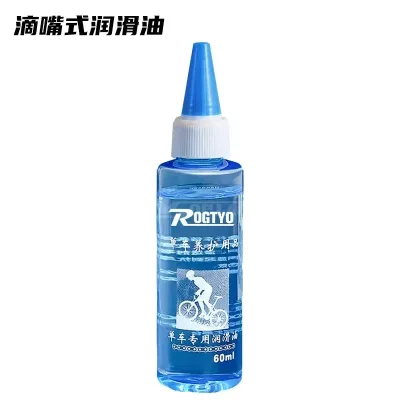
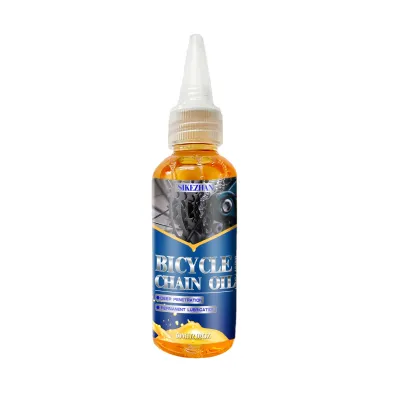
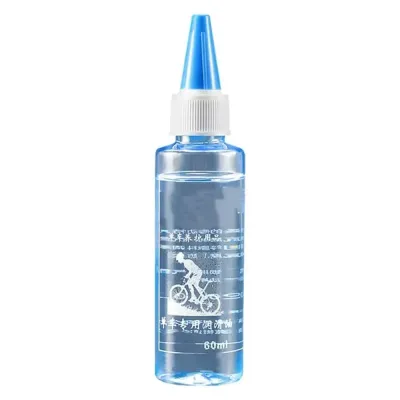
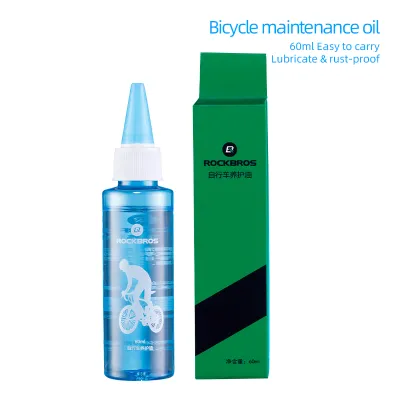

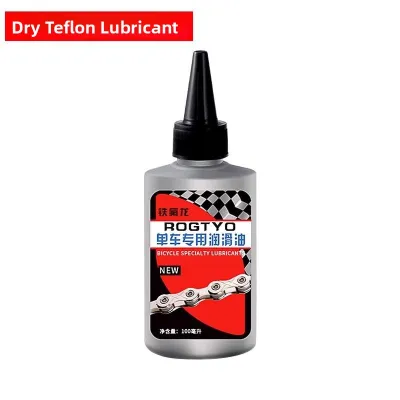
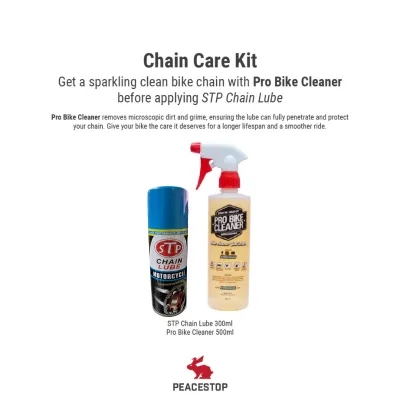
Prices are valid at publication and may change. Please refer to the product page for the latest price.
How Tropical Weather Affects Chain Wear and Lubrication
Before addressing chain maintenance, it is vital to recognize that riding in severe tropical weather carries inherent safety risks. Heavy rain drastically reduces tire traction, limits visibility, and decreases braking efficiency, especially on wet rim-brake systems. No chain lubricant can compensate for reduced road grip or poor visibility; always assess weather conditions, ensure your lights are functioning, and be prepared to stop and seek shelter if a storm becomes severe. Your personal safety and judgment must always take priority over completing a ride.

Singapore’s unique environmental conditions place extreme stress on bicycle drivetrains, demanding careful attention to lubrication. The ambient relative humidity, which frequently hovers above 80 percent, creates a persistent layer of moisture on exposed metal surfaces. This constant humidity accelerates oxidation, meaning that an unprotected steel chain can begin to develop surface rust within days, even if the bicycle is stored indoors in a non-temperature-controlled environment.
Furthermore, the sudden and heavy downpours characteristic of the monsoon seasons present a severe mechanical challenge. When riding through a tropical storm, water is kicked up from the road surface by the front tire, directly blasting the chain with water and road spray. This water pressure can quickly displace lighter lubricants, leaving the metal-on-metal contact points of the chain rollers unprotected.
The problem is compounded by the debris washed onto roads and park connectors during heavy rains. Runoff carries fine sand, silt, and organic matter onto the pavement. As your tires kick up this wet mixture, it adheres to a wet, sticky chain, forming an abrasive grinding paste. This paste quickly wears down the chain rollers, inner plates, and cassette teeth, leading to sloppy shifting and premature drivetrain failure.
Evaluating Wet Lube for Rainy and Humid Conditions
Wet chain lubricants excel at water displacement and long-term corrosion resistance, making them highly effective during Singapore’s wettest months. When applied correctly, the thick oil film penetrates deep into the chain’s internal pins and rollers, creating a hydrophobic barrier that repels water. Even when riding through deep puddles or sustained downpours, a high-quality wet lube will remain in place, preventing water from reaching the steel surfaces and causing rust. When shopping, look for labels that explicitly mention water displacement, marine-grade protection, or high-viscosity synthetic bases.
However, this persistent liquid film comes with a significant trade-off in tropical environments. Because the lubricant remains wet and sticky, it acts as a magnet for road grime, dust, and sand. Within just a few rides on damp roads, a wet-lubed chain can turn completely black as it accumulates debris. If left uncleaned, this mixture of oil and grit acts as an abrasive compound that accelerates wear on your chainrings and cassette.
To prevent this, you must perform regular visual inspections. A healthy wet-lubed chain should look slightly glossy but not dripping wet or caked in black sludge. If you touch the chain and your finger comes away with a thick, gritty black paste, the lubricant has become contaminated and must be thoroughly degreased and reapplied. Over-application is a common mistake; applying too much wet lube simply speeds up the accumulation of dirt without offering any additional protection.
Evaluating Dry Lube in High-Humidity Environments
Dry lubricants offer a compelling alternative for cyclists who prioritize a clean, quiet drivetrain and want to avoid the messy buildup associated with wet oils. Because the carrier solvent evaporates to leave a dry, waxy, or low-friction film, dust and road debris do not easily stick to the chain. This keeps the entire drivetrain looking clean and reduces the friction caused by accumulated grit, which can make pedaling feel smoother and more efficient during dry spells.
The primary limitation of dry lube in Singapore is its high vulnerability to moisture. Because the protective film is thin and dry, it is easily washed away when exposed to direct water spray or heavy rain. A single ride through a sudden tropical downpour can completely strip a dry lubricant from the chain, leaving it dry, noisy, and vulnerable to rapid rusting once you return home.
Consequently, choosing dry lube requires a commitment to a much higher reapplication frequency. You cannot rely on a single application to last for weeks of daily commuting. Instead, you must monitor your drivetrain closely for observable signs of wear. If you hear a dry, metallic squeaking or chirping sound from your chain, or if the links begin to look dull and show faint orange spots of surface rust, the dry lube has worn off and must be reapplied immediately.
Drivetrain Cleaning and Reapplication Strategy
To maintain optimal performance in Singapore’s humid and wet climate, you need a structured cleaning and lubrication routine. Before applying any new lubricant, you must thoroughly degrease the chain to remove old oil, wax, and embedded grit. Use a bicycle-specific degreaser and a stiff-bristled brush or a chain cleaning tool to scrub the links. Once the grease is dissolved, rinse the chain thoroughly with water.
The most critical step in a humid climate is ensuring the chain is completely dry before applying new lubricant. Trapping moisture beneath a fresh layer of wet or dry lube will trap water against the steel, leading to internal corrosion that you cannot see. Use a clean microfiber cloth to dry the chain, and let the bicycle sit in a well-ventilated area until all moisture has evaporated from the internal rollers.
When applying the lubricant, place one drop onto each individual chain link roller while slowly back-pedaling. This targeted application ensures the lubricant reaches the internal pins where it is needed most, rather than coating the outside of the plates where it will only attract dirt. After applying, allow the lubricant to sit—ideally overnight for dry lubes to let the carrier solvent fully evaporate—and then use a clean, dry rag to wipe off all excess lubricant from the exterior of the chain.
After every wet ride, make it a habit to perform a quick post-ride wipe-down. Use a dry cloth to remove water and road grit from the chain, chainrings, and derailleur pulley wheels. This simple two-minute habit prevents rust from forming overnight and extends the life of your lubricant, regardless of whether you choose a wet or dry formulation.
Frequently Asked Questions (FAQ)
Can I mix wet and dry chain lubes?
No, you should never mix wet and dry chain lubricants on the same chain. The solvents and carrier fluids used in dry lubricants can chemically break down the viscous oil base of wet lubricants, preventing either product from forming a proper protective film. Mixing them often results in a sticky, ineffective sludge that fails to lubricate the internal pins while attracting maximum dirt. If you decide to switch from a wet lube to a dry lube, or vice versa, you must fully degrease, rinse, and dry the chain first to ensure the new formulation can adhere correctly to the clean metal.
How often should I re-lube my chain during the monsoon season?
Rather than relying on a fixed mileage or calendar interval, you should let environmental exposure and observable triggers guide your re-lubrication schedule. During the monsoon season, if you ride through a heavy downpour or standing water, you should assume the lubricant has been compromised. For dry lubes, this means cleaning and reapplying after every single wet ride. For wet lubes, inspect the chain visually; if it looks dry or if you hear any metallic squeaking, it is time for a reapplication. Always check for physical signs like stiff links or surface rust spots before setting off.
Is ceramic or wax-based lube better for humid weather?
Specialty ceramic and wax-based lubricants can perform well in humid weather, but they require careful evaluation of manufacturer specifications and your own maintenance habits. Wax-based lubricants excel at keeping the drivetrain clean and resisting dry dust, but like standard dry lubes, they are highly prone to washing off in heavy rain. Ceramic-infused wet lubes may offer enhanced durability under high friction, but they still require regular degreasing to prevent grit buildup. Check the product label for specific water-resistance ratings and choose a formulation that matches your willingness to clean the drivetrain frequently.
Community discussion
Share your experience or ask a question. Comments are reviewed before publication.