
Selecting your first set of dumbbells can feel overwhelming, but the ideal starting weight is not a single, universal number. Instead, the right load is highly individual, determined by your current physical baseline, the specific exercises you perform, and your ability to maintain strict form. A weight that is perfect for lower-body squats will likely be far too heavy for upper-body shoulder presses. This guide will help you diagnose your starting point, match loads to different exercises, and use practical testing methods to select the right dumbbells without guessing.
Assess Your Current Fitness Baseline
Before picking up any weights, it is essential to evaluate your current physical baseline. Your starting point determines how your body will respond to resistance and helps prevent early injury.
A beginner baseline typically applies to those with little to no strength training history, or those returning to exercise after a long break. If your daily routine is primarily sedentary, your initial focus should be on learning movement patterns rather than lifting heavy loads.
Products mentioned in this guide
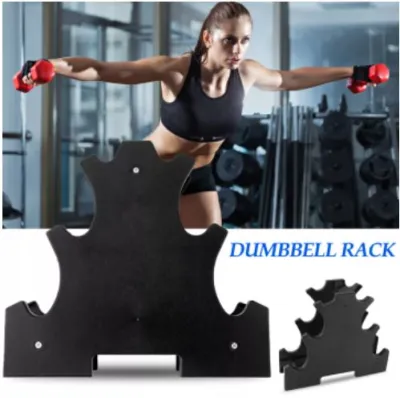
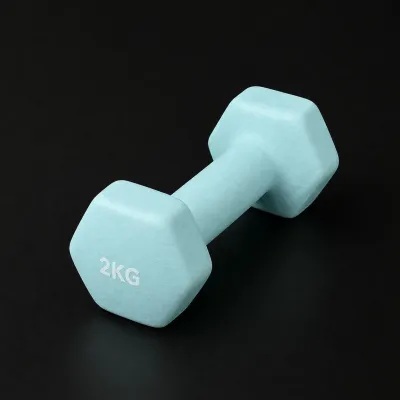
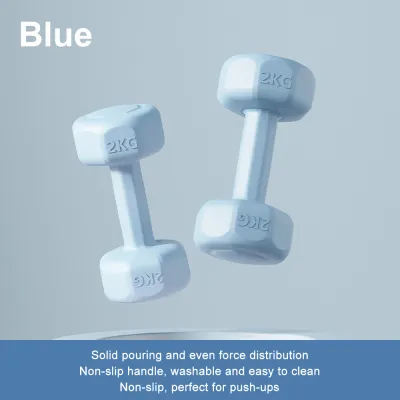
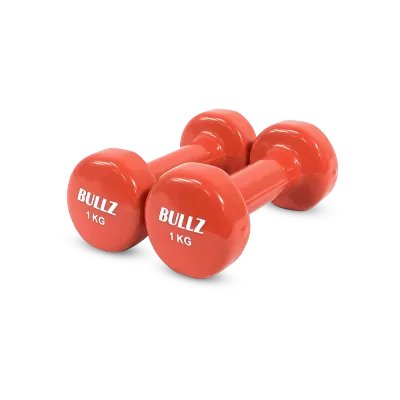
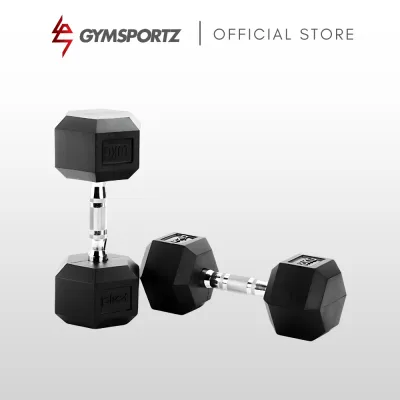
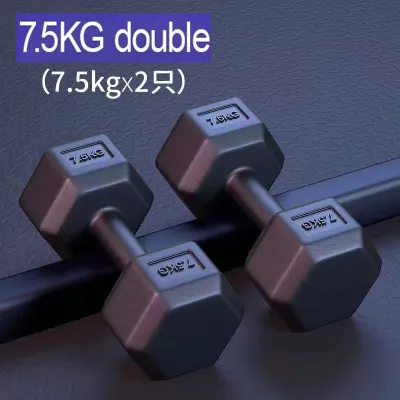
Prices are valid at publication and may change. Please refer to the product page for the latest price.
An intermediate baseline fits individuals who lead an active lifestyle, perhaps engaging in regular walking, yoga, pilates, or recreational sports. While you may have good cardiovascular health and body awareness, your muscles and joints still need to adapt to external resistance.
An active baseline is for those who already perform structured bodyweight workouts, resistance band training, or high-intensity interval classes. You likely possess solid core stability and can maintain proper alignment under moderate physical stress.
Your baseline strength is closely tied to neuromuscular coordination, which is the communication between your brain and muscle fibers. When you first begin lifting, your brain is learning how to recruit these fibers efficiently. This is why initial movements can feel shaky, and why starting with lighter loads is crucial for building a safe foundation.
Before adding external weights, you must master basic bodyweight movement patterns. Performing air squats, glute bridges, lunges, and modified push-ups with flawless form ensures your joints are prepared. If you cannot maintain a neutral spine or stable knees during a bodyweight squat, adding dumbbells will only compound these movement errors.
Match Dumbbell Loads to Target Muscle Groups
A common mistake when starting a home strength routine is using the same pair of dumbbells for every exercise. Different muscle groups have vastly different capacities for handling load, meaning your dumbbell selection must adapt to the movement.

Lower-body and compound exercises engage the largest muscle masses in your body, including the glutes, quadriceps, and hamstrings. Movements like goblet squats, lunges, and Romanian deadlifts involve multiple joints working together. Because these large muscles are built for power and daily weight-bearing activities, they require heavier loads to stimulate adaptation. Starting with a weight that is too light for these exercises will limit your progress.
Conversely, upper-body and isolation exercises target much smaller muscle groups, such as the deltoids in your shoulders, the biceps in your arms, and the triceps. Exercises like lateral raises, bicep curls, and overhead triceps extensions isolate these smaller muscles across a single joint. Because these muscles have less mass and leverage, they require much lighter, highly controlled loads. Attempting to use your lower-body weight for a shoulder press can strain your joints and lead to injury.
Core and stability movements demand careful weight management to protect your spine. Exercises like Russian twists, weighted carries, or woodchops are designed to build rotational strength and stability. The primary goal here is maintaining spinal neutrality and resisting unwanted movement, so you should prioritize strict control over heavy resistance.
Use the "Rep Test" to Find Your Exact Starting Weight
Rather than relying on arbitrary weight recommendations, you can use a practical, observable method called the “Rep Test” to find your ideal starting load. This test relies on how your muscles feel during a specific range of repetitions.
For general fitness, muscle endurance, and initial strength building, the standard 8-to-12 repetition range is highly effective. This range provides enough time under tension to stimulate muscle growth and bone density improvements without placing excessive stress on your joints.
To perform the test, select a conservative weight and begin your target exercise. Pay close attention to how your muscles feel as you progress through the set.
The correct starting weight will produce clear, observable signals. Repetitions 1 through 7 should feel manageable and smooth. By repetitions 8 and 9, you should feel a distinct muscle burn and a noticeable increase in effort. The final two to three repetitions (reps 10, 11, and 12) must feel highly challenging, requiring deep focus to complete, yet you must still be able to finish them with perfect, controlled form.
It is vital to recognize clear stop conditions during this test. If your form breaks down, your joints shift out of alignment, or you find yourself using momentum (such as swinging your hips or shrugging your shoulders) to complete a rep, the weight is too heavy. You should stop the set immediately and select a lighter option.
On the other hand, if you reach 15 repetitions and feel as though you could easily continue without any muscle fatigue or loss of speed, the weight is too light. It will not provide enough stimulus to create physical change, and you should try a slightly heavier dumbbell.
Recognize Signs Your Current Weight Is Wrong
As you progress in your training, your body will adapt, meaning the weights you started with will eventually need to change. Recognizing the signs of an incorrect load is key to maintaining progress and avoiding injury.
If your dumbbells are too heavy, your body will send immediate warning signs. You may experience joint discomfort or sharp pain in your wrists, elbows, or shoulders rather than a dull muscle burn. Other indicators include swinging your body to lift the weight, a reduced range of motion (such as not lowering fully into a squat), or the inability to complete the minimum target of eight repetitions with strict form.
If your dumbbells are too light, the signs are equally distinct. You will finish your sets without any noticeable muscle fatigue, your breathing and heart rate will remain largely unchanged, and you might find yourself feeling bored during the workout. If you need to perform excessively high repetitions just to feel a slight challenge, the resistance is insufficient.
You should transition to the next weight increment based on consistent ease. When you can comfortably complete three sets of 12 repetitions with perfect form, and the final repetitions of your last set no longer feel challenging, your body has adapted. This is your cue to safely step up to the next available weight.
Build a Practical Starter Dumbbell Set for Home Use
When setting up a home gym, especially in Singapore where residential space is often limited, making smart equipment choices is essential for both your budget and your living area.
You will need to choose between fixed-weight pairs and adjustable dumbbells. Fixed-weight pairs are highly durable, simple to use, and quick to transition between exercises, but storing multiple pairs can quickly clutter a small apartment. Adjustable dumbbells, which use a dial or selector pin to change weights, offer a wide range of resistance options within a single, compact footprint. While adjustable sets require a higher upfront investment—often ranging from under S$100 for basic models to more for premium systems—they provide excellent long-term value and save significant floor space.
A minimal viable setup strategy is an excellent way to start without overspending. If you prefer fixed-weight dumbbells, you do not need a full rack. Instead, start with just two pairs: one lighter pair (such as 2 kg to 4 kg) for upper-body isolation movements, and one medium-to-heavy pair (such as 6 kg to 10 kg) for lower-body compound exercises. This simple combination allows you to target all major muscle groups effectively.
Before purchasing, perform essential safety and usability checks. Ensure that adjustable models have secure locking collars that keep the plates firmly in place. Look for comfortable grip textures, such as knurled metal or textured rubber, to prevent slipping when your hands get sweaty. Finally, prioritize floor-friendly coatings like neoprene or thick rubber; these materials help protect delicate tiled, vinyl, or laminate floors in your home and help dampen noise when you set the weights down.
Frequently Asked Questions (FAQ)
Will lifting heavy dumbbells make women bulky?
No, lifting challenging dumbbells will not make you bulky. Women do not naturally produce the high levels of testosterone required to build massive muscle bulk simply from regular strength training. Instead, lifting weights that challenge your muscles helps build lean muscle tone, increases bone density, supports joint health, and boosts your resting metabolic rate, leading to a stronger, more defined physique.
How often should I increase my dumbbell weight?
There is no fixed calendar schedule for increasing your weights. Progression should always be based on your physical performance and form. You should only step up to the next weight increment when you can complete all planned sets and repetitions of an exercise with flawless control and strict form. If you try a heavier weight and find your form slipping, return to the lighter weight and focus on slowing down the movement to increase difficulty before trying to move up again.

Community discussion
Share your experience or ask a question. Comments are reviewed before publication.