
A stretching strap is a simple yet highly effective tool designed to deepen your stretches, improve flexibility, and provide safe leverage without straining your muscles. Choosing the right one requires looking closely at three key specifications: its overall length, the number and spacing of its loops, and the durability of its material. By matching these features to your height, current range of motion, and specific fitness goals, you can ensure a safe, comfortable, and progressive stretching routine.
Why Strap Specifications Matter for Your Flexibility Goals
Using a stretching strap is all about establishing proper leverage. When you pull on a strap, you are extending your reach, allowing your limbs to relax into a stretch without forcing your back or shoulders into awkward, tense positions. The physical specifications of the strap—such as how long it is or how many loops it has—directly dictate how much control you have over this leverage.
If a strap is too short or lacks proper grip points, you may find yourself overreaching, which defeats the purpose of using an assistive tool. This can lead to muscle guarding, where your body tenses up to protect itself, ultimately limiting your range of motion. Conversely, a strap that slips easily or stretches unpredictably under tension can cause sudden, jarring movements that risk straining your muscles or joints.
Products mentioned in this guide
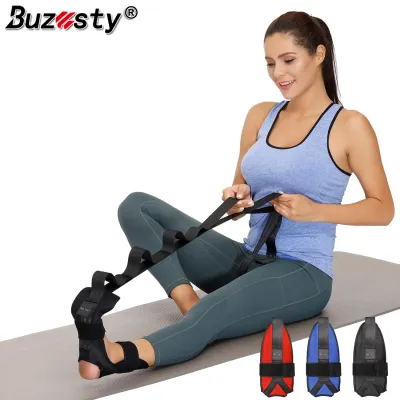
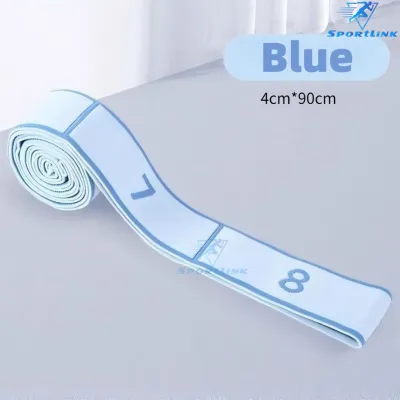
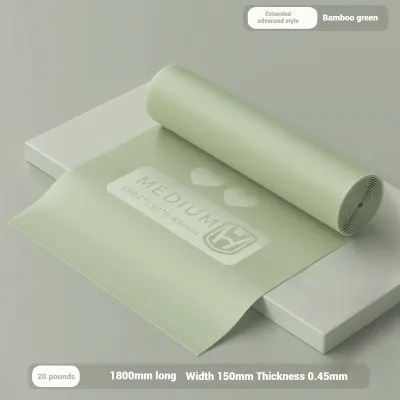
Prices are valid at publication and may change. Please refer to the product page for the latest price.
Evaluating these specifications before purchasing ensures that your equipment supports your body rather than working against it. Whether you are practicing yoga, warming up for a run, or cooling down after a heavy lifting session, the right strap acts as a stable, predictable extension of your limbs.
Choosing the Right Length for Your Body Size
Stretching straps generally come in lengths ranging from 1.8 meters (6 feet) to 2.4 meters (8 feet) or more. Selecting the correct length is primarily a function of your height and the types of stretches you plan to perform. A strap that is too short will restrict your movement, while one that is excessively long can become cumbersome to manage during quick transitions.

For individuals under 1.65 meters, a standard 1.8-meter strap is typically sufficient for most basic hamstring, quad, and shoulder stretches. However, if you are taller, or if you plan to perform full-body stretches where the strap must wrap around your feet and extend all the way past your head, a longer 2.4-meter strap is highly recommended. This extra slack ensures you can maintain a relaxed grip without lifting your shoulders off the floor.
When shopping, it is crucial to verify the exact measurements listed in the product specifications rather than relying on generic size labels like “standard” or “extra-long.” Different manufacturers define these terms differently, so checking the actual metric length is the safest way to ensure a proper fit for your home workouts.
Decoding Loop Count and Spacing
Multi-loop stretching straps, often called flexibility straps, feature a series of stitched compartments along their length. These loops serve as built-in handholds and footholds, allowing you to gradually deepen a stretch without having to wrap the strap around your hands or slide your grip. By simply moving your hands to the next loop, you can incrementally increase the stretch as your flexibility improves over time.
The spacing between these loops determines how gradual your progression can be. Closely spaced loops offer finer, more granular adjustments, which is incredibly helpful for targeting tight muscle groups where even a tiny change in angle makes a massive difference. Wider spacing, on the other hand, is better suited for larger, sweeping movements where rapid, broad adjustments are preferred.
While it might seem logical to choose a strap with the maximum number of loops available, more loops do not automatically translate to a better experience. An excessive number of loops can make the strap bulky, heavy, and difficult to pack into a gym bag. For most users, a strap with 10 to 12 well-spaced loops offers the ideal balance of adjustability, portability, and ease of use.
Material and Durability: What to Check on the Label
The material of your stretching strap determines how it feels against your skin and how well it holds up under tension. Most straps are made from woven cotton, nylon, or polyester blends. Cotton straps are highly favored for their soft, natural texture and excellent slip resistance, making them comfortable to hold even when your hands are sweaty—a common occurrence during home workouts in Singapore’s humid climate.
Nylon and polyester straps offer exceptional durability and are highly resistant to fraying, making them ideal for high-use environments. However, pure nylon can sometimes feel slick or rough against bare skin, especially during deep stretches where the strap rubs against your arches or ankles. Many modern straps combine these materials, offering a blend that provides both the soft grip of cotton and the structural strength of synthetic fibers.
Regardless of the material, you should carefully inspect the construction details on the product label or description. Look for reinforced stitching, particularly double or box-stitching at the joints where the loops are sewn together, as these points bear the brunt of the tension. Additionally, always check the manufacturer’s care instructions to ensure the material can be easily cleaned without losing its shape or structural integrity.
Matching the Strap to Your Current Flexibility Level
Your current level of mobility should heavily influence the specific strap features you prioritize. If you are a beginner or are working through significant stiffness, your primary goal is comfort and ease of access. Look for a slightly longer strap with wider, more generous loops that allow you to easily slip your feet or hands inside without struggling, reducing the physical effort required to set up each pose.
Advanced users, who already possess a high degree of flexibility, often require a different setup. If you are performing advanced yoga poses or deep splits, you may prefer a highly compact, lightweight strap that fits easily into a small pocket. Some advanced practitioners also look for straps with minimal elasticity to provide a completely rigid anchor point, allowing for precise, high-tension isometric stretches.
As your flexibility and training goals evolve, it is wise to periodically reassess your equipment needs. A strap that served you well when you could barely reach past your knees might feel too long or lack the precise loop spacing you need once you begin mastering advanced mobility drills.
Frequently Asked Questions (FAQ)
Can I use a stretching strap for physical therapy recovery?
Yes, stretching straps are frequently used to assist with guided mobility exercises during physical therapy and injury rehabilitation. They help you perform controlled movements without putting undue stress on healing tissues. However, because improper stretching can worsen an injury, it is absolutely essential to consult a qualified physiotherapist or medical professional before incorporating a strap into your recovery routine.
How do I clean a multi-loop stretching strap?
To keep your strap hygienic and free of sweat buildup, always start by checking the manufacturer’s care label, as washing instructions vary by material. For most cotton and synthetic straps, a safe, low-risk method is to hand wash the strap in cool water using a mild detergent. Avoid using harsh chemical bleaches or fabric softeners, and always hang the strap to air dry completely away from direct heat sources to prevent shrinkage or fiber degradation.
Community discussion
Share your experience or ask a question. Comments are reviewed before publication.