
Selecting the right adjustable ankle weights in Singapore requires balancing progressive resistance with physical comfort, especially given the local tropical climate. To make an informed purchase, you must evaluate the weight range and increment system, the security of the closure mechanism, the breathability of the materials, and the overall ergonomic fit. Whether you are performing low-impact exercises in an air-conditioned living room or walking along humid outdoor paths, the right pair should stay securely in place without causing skin irritation or restricting your natural movement.
By focusing on how these fitness tools interact with your body and your specific workout environment, you can avoid common pitfalls like joint strain, chafing, and premature wear. This guide breaks down the essential criteria to help you identify the ideal pair for your fitness level and training goals.
Determine Your Ideal Weight Range and Adjustability
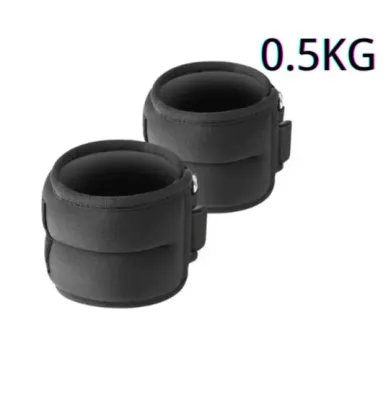
When choosing adjustable ankle weights, your starting point should always be your current physical strength and the specific exercises you plan to perform. Progressive overload—gradually increasing the resistance over time—is key to building strength and endurance, but this must be done without compromising your form. If a weight is too heavy, your body will compensate by using other muscles, which can lead to joint strain or injury. Look for a set that offers a low starting weight, such as 0.5 kilograms per ankle, with the capacity to scale up as your strength improves.
Products mentioned in this guide
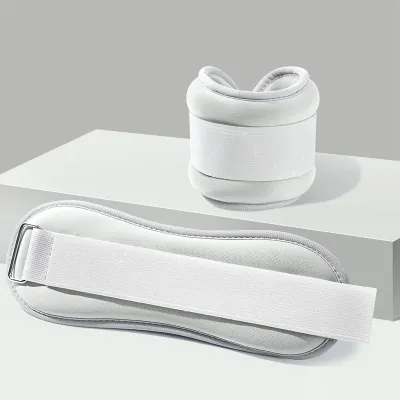
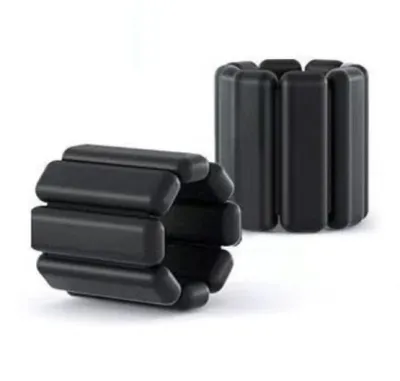
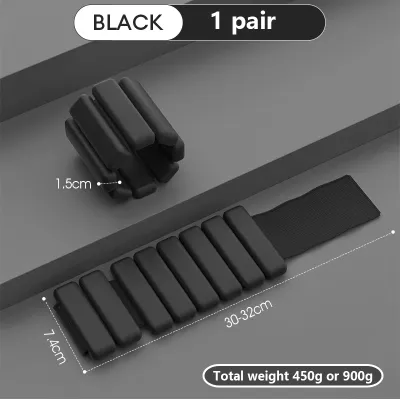
Prices are valid at publication and may change. Please refer to the product page for the latest price.
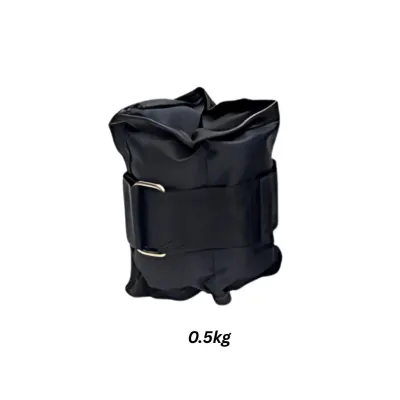
The mechanism used to adjust the weight significantly impacts both convenience and comfort. Most adjustable models utilize removable weight inserts, which typically consist of small bags filled with iron sand, steel shot, or solid metal bars. Sand-filled packets are generally softer and conform more easily to the curve of your ankle, but they tend to be bulkier. Steel shot or solid metal inserts are much denser, allowing for a slimmer profile that reduces the overall bulk of the cuff, though they can feel firmer against the leg.
Physical bulk is a critical factor that directly affects your ankle mobility and balance. A bulky ankle weight can rub against your opposite leg during movement or force you to widen your stance, which alters your natural gait. When evaluating different models, check how the weight is distributed around the cuff. Systems that distribute the weight inserts evenly in individual pockets around the entire circumference of the ankle help maintain balance and prevent the cuff from shifting or pulling unevenly on your joints.
Evaluate Closure Types for Security and Ease of Use
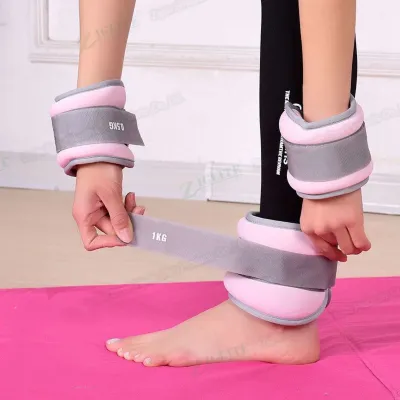
A secure fastening system is essential to keep the weights from sliding up and down or rotating around your leg during exercise. The most common closure types are hook-and-loop straps, D-ring buckles, and elastic bands. Hook-and-loop straps offer quick adjustments and a highly customizable fit, but their holding power can degrade over time as sweat, lint, and dust accumulate in the fibers.

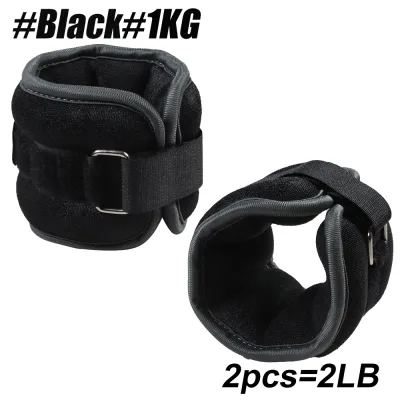
For a more secure fit, look for models that combine a hook-and-loop strap with a metal or heavy-duty plastic D-ring buckle. The D-ring acts as a pulley, allowing you to pull the strap tight and fold it back over itself, which provides double the security and prevents the strap from slipping under tension. Elastic bands offer flexibility and move with your muscles, but they may not provide enough support for heavier weight capacities and can lose their elasticity over time.
While a secure fit is necessary, an overly tight closure can restrict blood flow, compress nerves, and cause numbness or tingling in your feet. To prevent this, look for straps that are wide enough to distribute pressure evenly across your lower leg rather than cutting into a single narrow strip of skin. The strap should also feature dedicated padding underneath the fastening mechanism so that the buckle or rigid edge of the strap does not dig into your shin or Achilles tendon during repetitive movements.
Check Material and Comfort Features for Skin and Joint Protection
Singapore’s high humidity and warm temperatures mean that sweat accumulation is inevitable during any workout. Therefore, the materials used in your ankle weights must be selected with skin protection in mind. Standard neoprene is a popular choice because it is soft and flexible, but it can trap heat and moisture against your skin. To prevent heat rash and friction burns, look for weights lined with moisture-wicking fabrics, breathable nylon mesh, or perforated materials that allow air to circulate.
In addition to breathability, the thickness and density of the inner padding are vital for protecting your ankle bones. The medial and lateral malleoli—the bony protrusions on either side of your ankle—are highly sensitive to pressure. If the padding between the weight inserts and your skin is too thin, the hard sand packets or metal bars will press directly against these bones, causing discomfort or bruising. Press your fingers into the inside of the cuff to verify that the padding is dense enough to cushion these sensitive areas effectively.
Finally, inspect the construction quality of the seams and edge bindings. Rough stitching, exposed thread ends, or stiff piping along the edges of the cuff can act like sandpaper against your skin during high-repetition exercises. Look for flatlock stitching or soft, fabric-bound edges that lie flat against your leg. If you plan to wear the weights directly against your skin rather than over socks or leggings, prioritizing smooth, non-abrasive borders is essential to avoid painful friction burns.
Assess Size, Fit, and Ergonomic Design
Ankle weights are not universally one-size-fits-all, and purchasing a pair without checking the dimensions can lead to a poor fit that slides down or restricts movement. Before buying, use a flexible tape measure to find the circumference of your leg just above the ankle joint. Compare this measurement against the manufacturer’s sizing chart, paying close attention to the minimum and maximum strap lengths to ensure the cuff can be fastened securely without excess strap material dangling.
An ergonomic, contoured design is highly beneficial for maintaining a secure fit. Some advanced models feature a tapered shape that is slightly wider at the bottom and narrower at the top, mimicking the natural anatomy of the lower calf and ankle. This design helps the weight sit flush against your leg, preventing it from sliding downward over the heel during upright exercises.
Additionally, consider how the overall profile of the weights interacts with your footwear. A very thick or long cuff may push down against the collar of your athletic shoes, forcing the shoe to rub against your heel and cause blisters. Opt for a streamlined profile that sits comfortably above your shoe line, allowing your ankle joint to flex and extend naturally without interference.
Build Your Shortlist: Matching Features to Your Workout Routine
To narrow down your choices, match the specifications of the ankle weights to the primary activities in your fitness routine. Different exercises place different demands on the equipment, meaning a pair that is perfect for slow, controlled movements may not perform well during dynamic activities.
For low-impact activities like walking, Pilates, or barre classes, comfort and breathability should be your top priorities. Because these workouts involve continuous movement over a longer duration, heavy weights are rarely necessary. A moderate weight range of 0.5 to 1.5 kilograms per ankle, paired with a highly breathable, moisture-wicking fabric, will keep you comfortable and prevent skin irritation. Look for soft, flexible designs that conform easily to your movements.
For targeted strength training, physical therapy, or rehabilitation exercises, focus on precise adjustability and maximum stability. These routines often require incremental progression, making a system with small, removable weight packets (such as 0.2-kilogram increments) highly valuable. A secure D-ring closure is essential here to ensure the weights remain perfectly stationary during slow, controlled leg lifts, hamstring curls, or hip abductions.
Before making your final purchase, use this checklist to verify the product’s suitability:
- Weight Increments: Confirm the exact weight of each individual insert and the total weight of the set.
- Strap Length: Ensure the strap accommodates your measured ankle circumference with room for adjustment.
- Material Care: Check if the outer cover is hand-washable or machine-washable, and whether the weight inserts must be removed first.
- Return Policy: Verify the retailer's return policy in case the fit or comfort level does not meet your expectations upon trying them on at home.
Frequently Asked Questions (FAQ)
Can I use ankle weights for running or high-impact cardio?
Using ankle weights during high-impact activities like running, jogging, or jumping is generally not recommended. The added resistance at the end of your limbs significantly increases the rotational force and biomechanical stress placed on your hips, knees, and ankle joints. This extra load can alter your natural running gait, leading to joint misalignment, muscle imbalances, or repetitive strain injuries. Always check the manufacturer’s guidelines regarding intended use. If you want to increase resistance during cardio, consider alternative methods such as a weighted vest, which distributes the load closer to your center of gravity, or consult a fitness professional for personalized advice.
How do I clean and maintain adjustable ankle weights?
To prolong the lifespan of your ankle weights and maintain hygiene, regular cleaning is essential, especially in humid climates where sweat dries slowly. Always check the product care label before cleaning. For most adjustable models, you must remove all weight inserts before washing the fabric cuff. Hand wash the cuff in cool water using a mild detergent, rinse thoroughly, and squeeze out excess water without wringing. Air dry the cuffs completely in a well-ventilated indoor area or shaded outdoor spot; avoid direct sunlight or tumble dryers, as high heat can degrade elastic fibers and weaken hook-and-loop fasteners. Regularly inspect the straps, buckles, and seams for signs of wear to ensure they remain safe to use.

Community discussion
Share your experience or ask a question. Comments are reviewed before publication.