
Finding the right bicycle in Singapore is less about choosing the fastest or most expensive model and more about matching a machine to your daily environment. Your ideal ride is determined by where you will ride, where you will store the frame, and how often you plan to pedal. With a well-planned self-assessment, you can avoid the common pitfall of buying a bicycle that sits unused in a storeroom or corridor.
Before browsing online marketplaces or visiting a local bike shop, you must evaluate your lifestyle constraints. Singapore offers a unique cycling landscape, featuring an expanding Park Connector Network (PCN) alongside dense high-rise housing. By analyzing your specific route, storage limits, and riding goals, you can narrow down the options to a category that truly serves your needs.
Assess Your Riding Purpose and Typical Route
Your typical route dictates the frame geometry, tire width, and suspension requirements of your bicycle. If your primary goal is a daily commute to the office or the nearest transit station, your path will likely consist of paved pavements, PCN routes, and occasional road crossings. These flat, smooth surfaces favor efficiency and rolling speed, meaning heavy suspension is rarely necessary.
Products mentioned in this guide
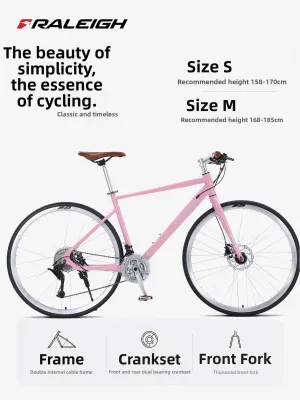
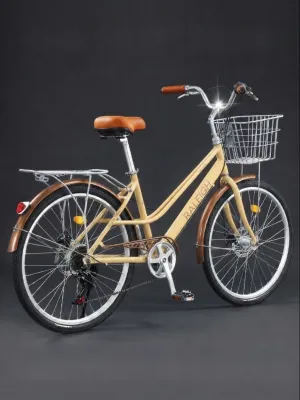
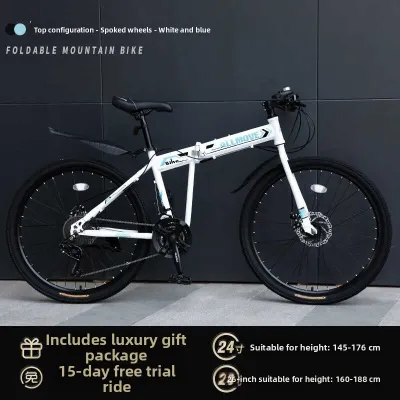
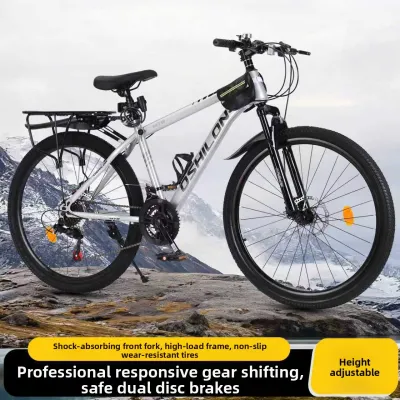
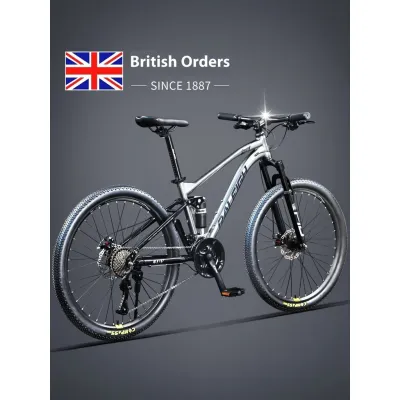

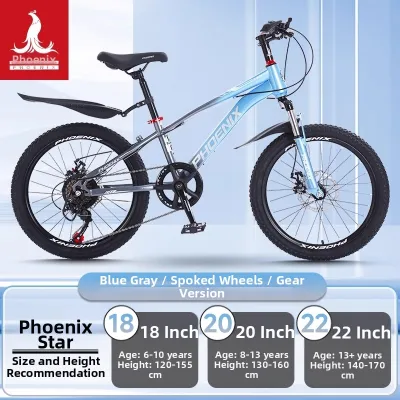
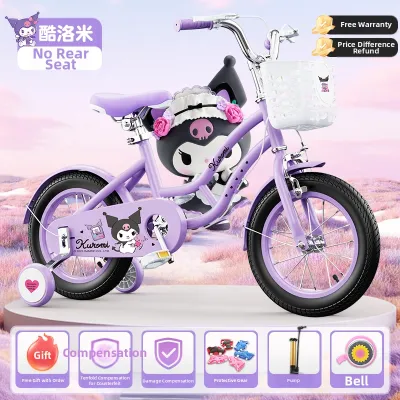
Prices are valid at publication and may change. Please refer to the product page for the latest price.
Conversely, if you plan to use your bicycle for weekend fitness or long-distance endurance training, you will need a setup optimized for sustained speed and aerodynamic efficiency. These rides often take place on open roads or dedicated cycling paths, where a lightweight frame and narrow tires allow you to cover greater distances with less effort.
For those interested in exploring nature trails, the terrain demands a completely different set of features. Uneven dirt tracks, loose gravel, wet mud, and tree roots require wide, knobby tires for grip and robust suspension to absorb shocks. Riding frequency also plays a role; occasional leisure riders prioritize upright comfort and simple gear systems, while frequent high-mileage riders require durable components that can withstand constant wear.
Evaluate Your Storage Space and Transport Needs
In Singapore, where high-rise living in HDB flats and condominiums is the norm, physical space is a critical factor in bicycle selection. Before purchasing a full-sized bicycle, you must measure your available indoor storage space. Leaving a bicycle along common HDB corridors is subject to strict town council regulations, which typically require maintaining a clear escape path of at least 1.2 meters for fire safety.

If indoor space is limited, a folding bicycle becomes highly attractive. These compact models can easily fit into a household shelter, a wardrobe, or a small balcony, keeping them safe from the elements and potential theft. Additionally, you must consider whether your commute involves multi-modal transport. If you plan to bring your bicycle onto MRT trains or public buses, Land Transport Authority (LTA) regulations state that the device must be foldable and must not exceed the allowable dimensions of 120cm by 70cm by 40cm.
Choosing a folding mechanism involves a trade-off. While folding bikes offer unmatched portability and allow you to store your ride under an office desk, they generally feature smaller wheels and more frame joints. Full-size frames offer greater structural rigidity and smoother rolling over bumps, but they require dedicated storage racks or a spacious car boot if you need to transport them.
Match Your Needs to the Right Bicycle Category
Once you have defined your route and storage limits, you can match your profile to one of the four primary bicycle categories.
Folding Bikes: These are the ultimate choice for multi-modal commuters and residents of compact HDB flats. They excel at short-to-medium commutes combined with public transit. When selecting a folding bike, always verify the folded dimensions to ensure compliance with public transport limits. Check the hinge locking mechanisms for sturdiness and confirm the manufacturer’s maximum weight limit, as the jointed frame must support your weight safely.
Hybrid/City Bikes: If you want a versatile all-rounder for the PCN and urban roads, a hybrid bike is highly practical. These bikes combine the flat handlebars of a mountain bike with the faster, slimmer wheels of a road bike. They offer an upright, comfortable riding posture that provides excellent visibility in traffic. Many hybrid models come with mounting points for racks, mudguards, and panniers, making them ideal for carrying groceries or laptop bags.
Road Bikes: Designed strictly for speed and fitness on smooth tarmac, road bikes feature lightweight frames, drop handlebars, and narrow, high-pressure tires. The riding posture is aggressive and aerodynamic, which may take time to get used to. Because they lack suspension and have minimal tire tread, road bikes are poorly suited for rough pavements or wet, muddy paths, but they are unmatched for long-distance road cycling.
Mountain Bikes (MTB): Built for rugged off-road trails, mountain bikes feature wide, knobby tires, powerful disc brakes, and front or full suspension. While they offer maximum grip and comfort on rough terrain, they are highly inefficient for paved commuting. The wide tires create significant rolling resistance, and the heavy suspension absorbs your pedaling energy, making road riding slow and tiring.
Final Pre-Purchase Checks and Test Ride Tips
Before finalizing your purchase and allocating your S$ budget, a physical test ride is essential to ensure a proper fit. Bicycle frames come in various sizes, and riding an ill-fitting bike can lead to knee pain, back strain, or poor handling. Ensure that the saddle height can be adjusted so your leg has a slight bend at the bottom of the pedal stroke, and verify that the handlebar reach does not force you to stretch uncomfortably.
You must also budget for essential safety accessories alongside the cost of the bicycle itself. In Singapore, wearing a certified helmet is legally required when riding on roads. Additionally, invest in high-visibility front and rear lights for night riding, a sturdy lock to secure your bike, and a basic puncture repair kit.
During your test ride, pay close attention to three key performance indicators. First, test the braking responsiveness to ensure you can stop quickly and safely in wet or dry conditions. Second, shift through all the gears to check for smooth transitions without slipping. Finally, assess your overall handling confidence; the steering should feel stable and predictable, allowing you to navigate tight corners on shared paths safely.
Frequently Asked Questions (FAQ)
Can I use a mountain bike for daily commuting on paved roads?
Yes, you can use a mountain bike on paved roads, but it is highly inefficient. The wide, knobby tires are designed for dirt and create high rolling resistance on asphalt, requiring more physical effort to maintain speed. Additionally, the heavy suspension forks add unnecessary weight. If you already own a mountain bike and want to commute on roads, consider swapping the knobby tires for slicker, narrower commuter tires to improve rolling efficiency.
Are folding bikes durable enough for everyday use?
Yes, high-quality folding bikes are designed to withstand the rigors of daily commuting. However, because they rely on hinges and latches to fold, these joints require regular inspection and maintenance to ensure they remain secure. Always check the manufacturer’s specified weight limit before purchasing. Regularly cleaning the folding joints and checking for any play or looseness will ensure your folding bike remains safe and reliable for years.
Community discussion
Share your experience or ask a question. Comments are reviewed before publication.