
Selecting the right Ebene ankle support depends on matching your specific physical demands—whether managing mild daily stiffness, recovering from a minor sprain, or seeking stability during high-impact court sports—with the correct level of compression and structural reinforcement. Ebene offers a range of options, from lightweight compression sleeves to adjustable wraps, often featuring specialized materials designed to retain heat and promote circulation. To make the right choice, you must evaluate your current joint stability, the intensity of your activities, and the physical design of the support. Rather than assuming one model fits all situations, a systematic approach based on observable symptoms and functional requirements will guide you to the most effective option.
Assessing Your Ankle Needs Before Selecting a Model
To choose the right ankle support, you must first clarify why you are wearing one. Ankle supports generally serve two distinct purposes: prophylactic (preventative) protection or rehabilitative recovery. Prophylactic use is common among athletes who participate in high-impact sports involving rapid directional changes, such as badminton, basketball, or trail running. In these scenarios, the primary goal is to provide external structural reinforcement to prevent the ankle from rolling outward or inward during sudden lateral movements.
Rehabilitative use, on the other hand, focuses on managing existing conditions, chronic instability, or recovering from a recent injury like a sprain. If you are recovering from an injury, your joint requires targeted compression to manage swelling and physical restriction to prevent re-injury while the ligaments heal. Chronic conditions, such as mild osteoarthritis or general joint weakness, benefit more from continuous warmth and light compression to ease stiffness during daily activities.
Products mentioned in this guide
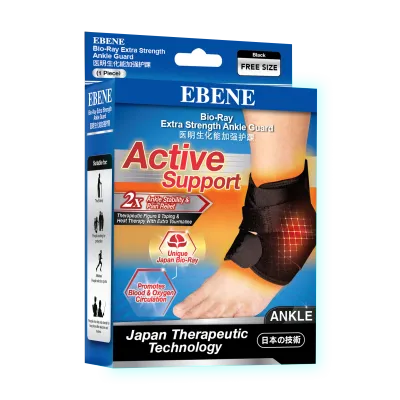
Prices are valid at publication and may change. Please refer to the product page for the latest price.
Identifying your specific symptoms is the next step in this assessment. Pay close attention to when you experience discomfort. If you notice mild swelling or a dull ache after a long day of walking on hard surfaces, your needs differ significantly from someone who experiences sharp pain when stepping on uneven ground. A history of frequent ankle rolls, even minor ones that do not result in severe swelling, indicates lateral ligament laxity that requires structural stabilization rather than simple compression.
Your daily activity context also dictates the baseline requirements for your support. A desk-bound professional who needs occasional relief during a commute has different structural demands than a delivery courier walking thousands of steps daily on varied terrain. By defining whether you need active sports protection, daily pain management, or post-injury rehabilitation, you establish a clear set of criteria. This baseline prevents you from purchasing an overly restrictive brace that hinders your movement or a lightweight sleeve that fails to protect against dynamic forces.
Matching Support Levels to the Ebene Lineup
Once you have identified your primary physical needs, you can map them to the corresponding support levels available in the Ebene product range. Ankle supports are generally categorized into mild, moderate, and maximum support levels, each designed with specific structural elements to address different degrees of joint instability. Understanding these categories allows you to filter the brand’s offerings and select a model that aligns with your physical requirements.

Mild support models typically consist of pull-on compression sleeves. Within the Ebene lineup, these are often constructed from elasticized knit fabrics, sometimes integrated with specialized materials like tourmaline or proprietary heat-retaining fibers. These sleeves do not feature rigid splints or adjustable straps; instead, they rely on uniform compression to stimulate proprioception—your body’s awareness of joint positioning. This level of support is highly suited for managing minor swelling, keeping the joint warm, and providing a psychological sense of security during low-impact daily tasks or light exercise.
Moderate support models introduce adjustable elements, such as wrap-around bands or figure-8 straps, to provide targeted lateral stability. These designs allow you to customize the level of compression and tension around the joint. If you participate in court sports or are returning to running after a mild sprain, a moderate support model helps restrict excessive lateral movement while still allowing comfortable forward and backward flexion. The adjustable straps mimic the stabilizing effects of athletic taping, offering a reliable middle ground between flexibility and structural reinforcement.
Maximum support models are designed for severe instability, heavy lifting, or the later stages of rehabilitation following a significant ligament tear. These braces often incorporate rigid plastic or metal stays, hinged joints, or complex lace-up systems to physically lock the ankle in place and prevent inversion or eversion. It is important to note that Ebene’s core product range focuses primarily on mild-to-moderate compression sleeves and flexible wraps. If your condition requires absolute immobilization or rigid structural bracing, you should verify whether a specialized medical-grade orthosis is more appropriate for your recovery.
Before making a final purchase, always verify the manufacturer’s stated support level and intended use on the product packaging or official store listing. Product designs can update, and checking the specific specifications ensures that the model you select matches your physical needs. Look for clear indications of compression ratings, strap configurations, and recommended activity levels to confirm that the brace is engineered for your intended use.
Evaluating Structural Features for Your Activity
Selecting the right ankle support also requires a close evaluation of its physical design and how it interacts with your footwear and movement patterns. The physical profile of the brace is a critical consideration, especially when transitioning between different types of shoes. A low-profile compression sleeve is highly versatile, fitting easily into tight athletic footwear like football boots, running shoes, or formal office shoes without altering the fit of the shoe.
In contrast, bulky wraps or braces with thick adjustable straps offer superior stability but present practical footwear challenges. If you choose a highly structured model, you may need to loosen your shoe laces significantly or even wear a slightly wider shoe to accommodate the extra volume. Forcing a bulky brace into a tight shoe can compress your foot excessively, leading to localized pressure points, reduced circulation, and discomfort that defeats the purpose of the support.
The configuration of the straps is another essential structural feature to analyze. Braces that utilize a figure-8 strap design are particularly effective at stabilizing the lateral ligaments of the ankle. This configuration wraps under the arch of the foot and crosses over the front of the ankle, mimicking the classic basket-weave taping method used by sports therapists. This specific pattern restricts harmful side-to-side rolling (inversion and eversion) while preserving the natural up-and-down bending of the foot (dorsiflexion and plantarflexion) required for running and jumping.
Breathability and moisture management are vital factors, particularly when using an ankle support in humid tropical climates like Singapore. High-sweat environments can quickly lead to moisture accumulation inside a synthetic sleeve, causing skin irritation, chafing, and bacterial growth. When evaluating Ebene models, look for designs that feature open-heel configurations, mesh ventilation panels, or moisture-wicking knit fabrics. These features allow heat and sweat to escape, keeping your skin dry and comfortable during extended wear or intense workouts.
Ensuring Proper Sizing, Fit, and Wearability
Even the most advanced ankle support will fail to perform as intended if it does not fit your foot correctly. Proper sizing is critical to ensure that the brace delivers the correct level of compression without restricting blood flow or causing physical discomfort. To find your correct size, you must measure your foot and ankle accurately rather than relying on your standard shoe size, as bone structure and soft tissue volume vary widely.
To measure your ankle, use a flexible measuring tape and wrap it around the narrowest part of your ankle, just above the ankle bone. Some sizing charts may also require a measurement around the heel and the instep of your foot. Always refer to the specific sizing guide provided by the manufacturer for the exact model you are purchasing, as sizing standards can differ between a simple compression sleeve and an adjustable wrap. If your measurements fall between two sizes, it is generally advisable to choose the larger size to avoid excessive constriction, unless you require a highly snug fit for short-term athletic use.
Recognizing the signs of an improper fit is essential for maintaining joint health and comfort. A brace that is too tight will cause observable symptoms such as numbness, tingling, cold toes, or deep, painful red indentations in your skin. Conversely, a brace that is too loose will slip down your leg during movement, bunch up under your heel, or fail to provide any noticeable compression or stability. If you experience any of these issues, discontinue use immediately and adjust the sizing or strap tension.
To ensure long-term wearability, always try the ankle support on with the actual socks and shoes you plan to use during your activities. Put on the brace, slip your foot into your shoe, and walk around for a few minutes to assess the fit. Pay close attention to any rubbing or excessive pressure on the Achilles tendon or the arch of your foot. Testing the brace in a realistic scenario ensures that it integrates seamlessly with your gear and does not alter your natural walking or running mechanics.
Safety Boundaries and When to Consult a Professional
While over-the-counter ankle supports are highly effective tools for managing minor discomfort and providing light stability, they have clear physical limitations. It is crucial to recognize when self-treatment is insufficient and when you must seek professional medical evaluation. Using a brace to mask severe pain can lead to further joint damage and delay proper healing.
You should seek immediate medical attention if you experience any red-flag symptoms following an ankle injury. These include acute, severe pain that prevents you from bearing weight on the foot, rapid and extreme swelling, visible joint deformity, or persistent numbness and tingling in your foot or toes. These symptoms often indicate more serious injuries, such as bone fractures, complete ligament ruptures, or nerve compression, which require professional diagnosis, imaging, and targeted medical treatment.
It is also important to understand that an ankle support is a passive aid and cannot replace active rehabilitation. Relying solely on a brace to stabilize your joint without performing strengthening and balance exercises can lead to muscle weakness and joint dependency over time. A comprehensive recovery plan should include physical therapy to rebuild the strength of the surrounding muscles, improve joint mobility, and restore proprioception.
Finally, establish clear stop conditions for using your ankle support. If you notice persistent skin irritation, allergic reactions to the materials, or an increase in localized pain while wearing the brace, stop using it immediately. Additionally, if you find that the brace forces you to walk with an unnatural limp or alters your gait mechanics in a way that causes discomfort in your knees, hips, or lower back, consult a healthcare professional or a sports physiotherapist to re-evaluate your support needs.
Frequently Asked Questions (FAQ)
Can I wear an ankle support all day for work or daily tasks?
Wearing an ankle support continuously throughout the day is generally not recommended unless specifically advised by a healthcare professional. Prolonged, uninterrupted wear can lead to muscle dependency, where the muscles and tendons surrounding the ankle joint become inactive and weaken because they are relying on the external support of the brace. Additionally, continuous static compression can restrict blood circulation and cause skin irritation or chafing, especially in warm climates. It is best to wear the support during periods of physical activity or when you expect to stand for long durations, and remove it during rest, seated work, or sleep to allow your joint to move naturally and your skin to breathe.
How do I wash and maintain my ankle brace to preserve its elasticity?
To extend the lifespan and maintain the elasticity of your ankle support, proper washing and care are essential. You should hand-wash the brace in cool or lukewarm water using a mild, non-abrasive detergent. Avoid using bleach, fabric softeners, or harsh chemicals, as these can break down the elastic fibers and specialized materials over time. Gently squeeze out excess water without wringing or twisting the fabric, and lay the brace flat to air dry in a well-ventilated area away from direct sunlight and high heat sources. Never place the ankle support in a mechanical dryer, as the intense heat will degrade the elastic components and ruin the fit. Always check the care label on your specific model for any unique washing instructions.

Community discussion
Share your experience or ask a question. Comments are reviewed before publication.