
Buying a new electric bicycle is an exciting milestone, but it often triggers an immediate urge to browse online marketplaces for every available add-on. From heavy-duty racks to high-tech gadgets, the market is flooded with options. However, rushing into these purchases usually leads to a cluttered handlebar, unnecessary weight, and wasted money on gear you rarely use.
To set up your ebike efficiently, you must distinguish between what is legally and physically essential for your safety and what is simply a convenience. The absolute essentials are safety and legal gear (certified helmet, lights, and an audible signal), followed by security locks tailored to your parking environment. Everything else—like cargo racks, mudguards, and specialized tools—depends on your daily commute and mechanical confidence. By taking a systematic approach, you can build a functional, safe, and comfortable setup that matches your specific riding habits.
Non-Negotiable Safety and Legal Essentials
Before your wheels touch the pavement, safety and legal compliance must be your top priorities. Electric bicycles travel at higher average speeds than traditional bicycles, which increases the impact force in any collision or fall. Consequently, a certified helmet is your most critical piece of protective gear. When selecting a helmet, look for recognized safety standards such as EN 1078, CPSC, or Singapore’s SS 244. Avoid uncertified novelty helmets that prioritize aesthetics over structural integrity. Ensure the helmet fits snugly, sits level on your forehead, and has straps that form a clean ‘V’ shape just below your earlobes.
Products mentioned in this guide
65 Lazada user ratings
material very sturdy and hard small and easy to carry around eay to setup too. very fast delivery
Good quality .. Worth the value
Good quality Worth the value
🛠️Durability:great
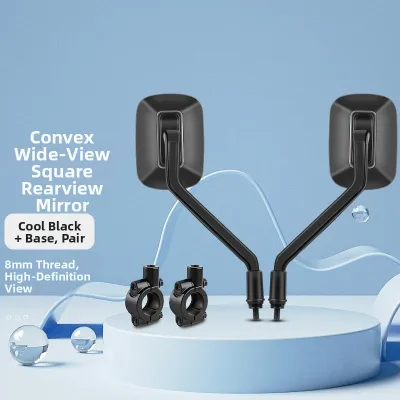
37 Lazada user ratings
The quality is great and worth buying, with good clarity.
The quality is great, and the product is really good.
Seems pretty good, I'll try installing it later.
Pretty good, just the mirror is a bit small.
It's installed and the quality is suitable.
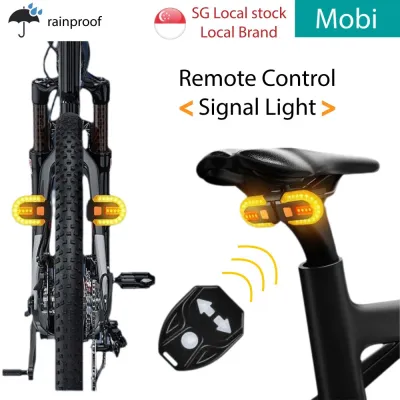
4 Lazada user ratings
The lights are very bright and clear. Good visibility. Easy to install. Worth buying for the safety.

Prices are valid at publication and may change. Please refer to the product page for the latest price.
Active lighting is another non-negotiable requirement, especially if you plan to ride during dawn, dusk, or night. While passive reflectors are useful, they only work when another vehicle’s headlights shine directly on them. Your ebike should be equipped with a dedicated front white light and a rear red light. For urban commuting on lit streets, a front light with an output of 200 to 400 lumens is generally sufficient to make you visible to others. If your route includes unlit park connectors or dark pathways, look for lights capable of producing 600 or more lumens with a wide beam pattern to illuminate hazards ahead.
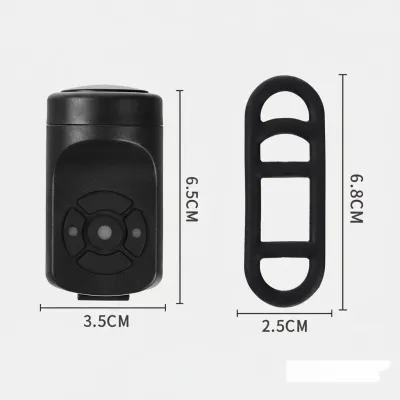
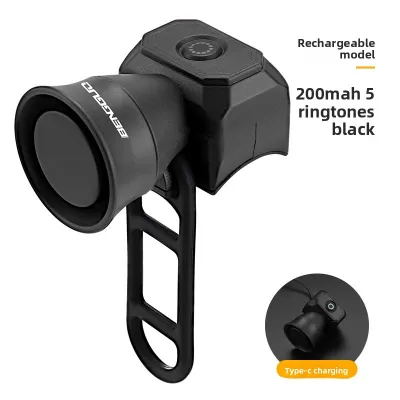
In Singapore, having an audible warning device like a bell or horn is a legal requirement for riding on public paths and roads. The signal must be loud enough to alert pedestrians and other path users from a safe distance. Position the bell on your handlebars so that you can easily reach it with your thumb without releasing your grip on the handlebars or brake levers. This positioning ensures you can react instantly in crowded areas or sudden traffic situations. Remember, equipment cannot replace defensive riding habits; always slow down when approaching pedestrians, regardless of how loud your bell is.
Security Gear Based on Your Parking Environment
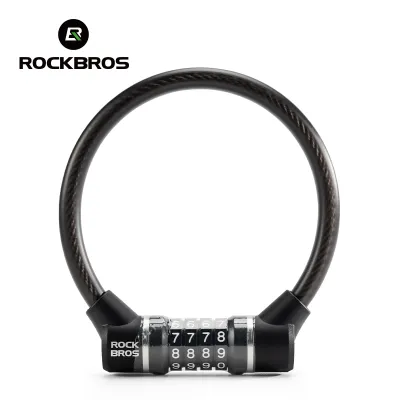
Protecting your investment requires a security strategy tailored to where you plan to leave your ebike. Because ebikes are high-value targets, a basic cable lock is rarely sufficient as a primary deterrent. If you regularly park in high-risk public areas, such as MRT stations, shopping centers, or public bike racks, you should invest in a heavy-duty U-lock or a thick chain lock made of hardened steel. These locks resist manual bolt cutters and require power tools to defeat, which significantly increases the time and noise a thief would need to steal your bike.

For riders with limited frame space or those who prioritize portability, folding locks offer a practical compromise. They fold down into a compact bracket that mounts directly to your frame’s bottle cage bosses, yet they unfold to provide a decent level of security. However, if you are parking in a highly secure private garage or keeping the bike inside your home, a lighter cable lock or a frame lock might suffice for quick stops at a local convenience store. Never rely on lightweight cable locks in high-theft zones, as they can be severed in seconds.
If your daily routine forces you to park your ebike out of sight for extended periods, consider adding secondary security measures like GPS trackers or motion-sensitive alarms. A motion alarm emits a loud siren when the bike is moved, which can deter opportunistic thieves in public spaces. GPS trackers, hidden discreetly within the frame or motor casing, allow you to monitor your bike’s location via a smartphone app. Before purchasing a tracker, verify its battery life, signal reliability in covered parking structures, and whether it requires an ongoing monthly subscription fee.
Comfort and Utility Add-ons for Daily Commuting
Once safety and security are established, you can focus on tailoring your ebike for daily comfort and utility. If you commute in Singapore, weather protection is a major consideration due to frequent and sudden tropical downpours. Installing full-coverage mudguards (fenders) is highly recommended to prevent water, mud, and road grime from spraying onto your clothes and the ebike’s electrical components. If you only ride on dry, off-road trails during sunny weekends, you can skip fenders entirely to keep your bike lightweight and sporty.
Cargo solutions should match your actual daily carrying needs rather than hypothetical scenarios. If you only carry a laptop and a lunchbox, a comfortable, ventilated backpack might be all you need. However, if you want to avoid a sweaty back or need to carry heavier groceries, consider installing a rear rack paired with panniers or a sturdy basket. Always check the manufacturer’s specified weight limit for both the rack and your ebike’s frame before loading heavy items. Overloading a rear rack can negatively affect the bike’s handling and braking performance.
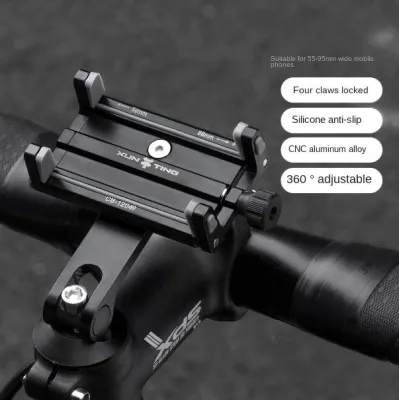
For navigation, a reliable handlebar phone mount is incredibly useful, but standard bicycle mounts may not be suitable for ebikes. The high-frequency vibrations generated by ebike motors, combined with the stiffer frames and higher speeds, can transfer intense resonance to your phone. Over time, these vibrations can damage the delicate optical image stabilization systems in modern smartphone cameras. To protect your device, choose a phone mount equipped with built-in vibration dampening modules and a secure, mechanical locking mechanism.
Maintenance and Emergency Tools for Peace of Mind
Being prepared for minor mechanical issues can prevent you from getting stranded far from home. If you frequently ride long distances or commute through areas with limited public transport, carrying a basic tire repair kit is highly advisable. This kit should include tire levers, a portable hand pump or CO2 inflator, and adhesive patches or a spare inner tube. If you lack the mechanical confidence to change a tire on the go, or if your route is entirely within urban areas with easy access to public transport and taxi services, you might choose to skip these tools and rely on roadside assistance instead.
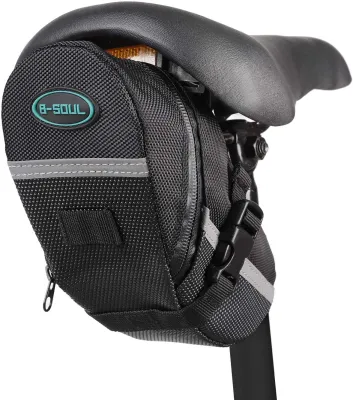
A compact cycling multi-tool is another valuable addition to your saddle bag. Ensure the multi-tool you select features the exact hex key sizes (typically 4mm, 5mm, and 6mm) and Torx keys required to tighten your ebike’s specific components, such as handlebar clamps, saddle adjustments, and accessory mounts. Regularly checking and tightening these bolts is important, as the vibrations from motorized riding can gradually loosen hardware over time.
Battery care is central to the ebike experience, but you do not necessarily need to carry a charger everywhere. Consider purchasing a second charger to keep at your workplace only if your daily round-trip commute consistently approaches or exceeds 80% of your battery’s realistic range. For shorter commutes, charging your battery exclusively at home is safer and more convenient, as it reduces the risk of damaging or losing your primary charger while carrying it in a backpack or pannier.
A Step-by-Step Framework to Prioritize Your Purchases
To avoid buyer’s remorse and keep your initial spending under control, use a staged purchasing framework rather than buying everything at once.
Phase 1 (Day 1) focuses strictly on safety, legal compliance, and basic security. Before your very first ride, you must have a certified helmet, functioning front and rear lights, an audible bell, and at least one high-quality lock appropriate for your primary parking location.
Phase 2 (Weeks 1 to 2) is your observation period. Ride your ebike on your standard routes under various weather conditions. Use this time to evaluate whether you actually need mudguards, how much cargo capacity you require, and whether your phone mount needs vibration dampening. This prevents you from buying bulky panniers if a simple backpack suffices, or buying heavy mudguards if you only ride in perfect weather.
Phase 3 (Month 1 and beyond) is for specialized upgrades and maintenance tools. Once you are familiar with your ebike’s performance and maintenance needs, you can invest in specific tools, ergonomic contact points like upgraded saddles or grips, or secondary security devices like GPS trackers based on real-world experience.
Frequently Asked Questions (FAQ)
Can I use standard bicycle accessories on an electric bike?
Yes, many standard bicycle accessories are compatible with ebikes, but you must verify specific structural limits. Because ebikes are heavier and travel at higher average speeds, accessories like cargo racks, baskets, and kickstands experience greater dynamic forces. Always check the weight capacity of these items to ensure they can handle the extra load. Additionally, verify that handlebar-mounted accessories do not pinch or strain the motor control cables, brake lines, or display wiring, and ensure frame-mounted bags do not block access to the battery charging port or removal path.
Do I need specialized insurance for my ebike accessories?
Standard home contents insurance or basic personal mobility policies may not automatically cover high-value aftermarket accessories, spare batteries, or premium locks. If you invest in expensive upgrades, review your policy details to determine if they are covered under the main bicycle’s insured value or if they require separate declarations. To ensure successful claims in the event of theft or damage, keep all original purchase receipts, register your lock’s warranty if applicable, and take clear, dated photographs of the accessories installed on your ebike.

Community discussion
Share your experience or ask a question. Comments are reviewed before publication.