
Choosing the right water bottle cap depends entirely on how you move, where you hydrate, and what you drink. While a high-quality insulated bottle keeps your beverage cold or hot, the cap determines how easily you can access that drink during a fast-paced workout, a crowded morning commute, or a rugged weekend hike. Matching your daily routine to the correct lid design ensures you avoid accidental leaks, maintain your preferred beverage temperature, and enjoy seamless drinking. By comparing the design, flow rate, and portability of the Flex Cap, Straw Lid, and Flip Lid, you can find the exact match for your active lifestyle.
Core Design Differences: Flex Cap, Straw Lid, and Flip Lid
To select the right lid, you must first understand how each option is constructed and how it controls the flow of liquid. Each design prioritizes a different balance of security, accessibility, and flow volume.
The Flex Cap is the classic, fully sealed option designed for maximum security and portability. It features a solid, insulated construction with a flexible strap attached to durable pivots. This strap makes it easy to carry heavy, filled bottles over long distances or attach them to gear. The threading mechanism is simple and robust, screwing directly into the bottle’s neck to create a completely leak-proof seal when fully tightened. Because you must unscrew the entire cap to take a drink, it requires two hands to operate, but it offers an unobstructed, wide opening for rapid gulping or adding ice cubes.
Products mentioned in this guide
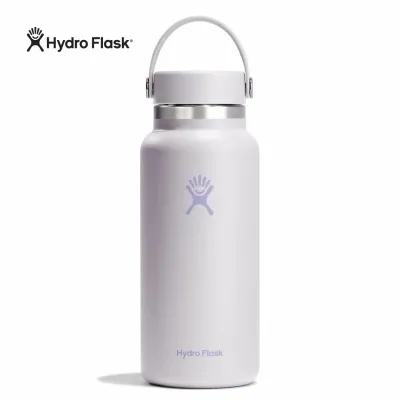
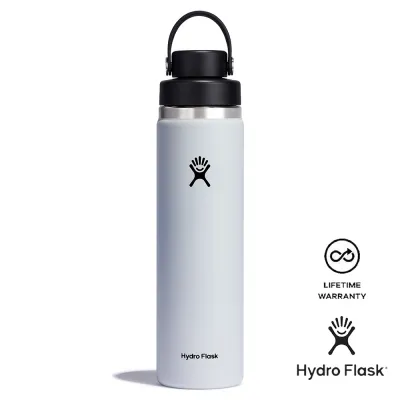
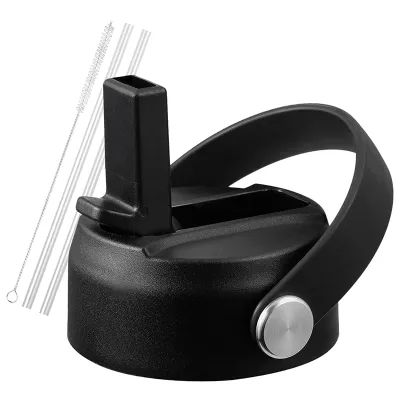
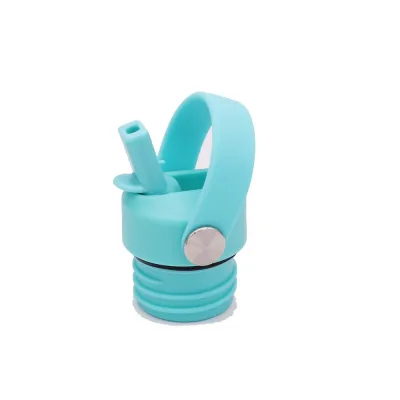
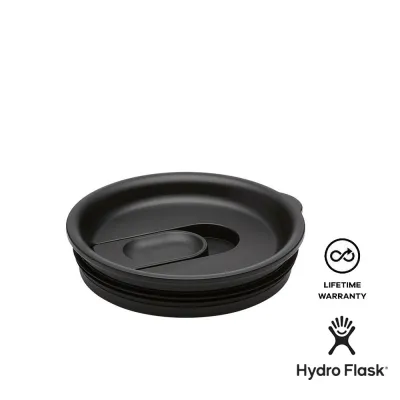
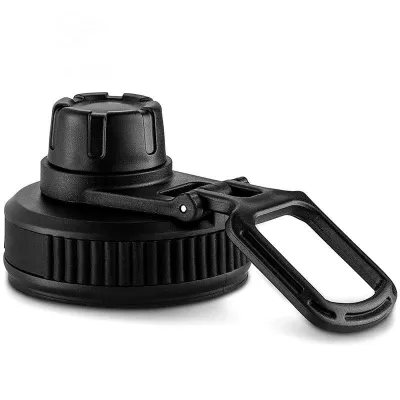
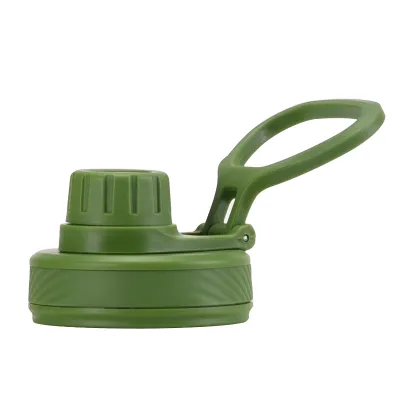
Prices are valid at publication and may change. Please refer to the product page for the latest price.
The Straw Lid is engineered for quick, one-handed hydration without the need to tilt your bottle. It features a folding nozzle that clicks upright to open and folds flat to close. Inside the bottle, a plastic straw extends to the bottom, allowing you to sip while keeping your eyes forward. This design is highly convenient for active situations, though it is generally classified as splash-resistant rather than absolutely leak-proof. When the nozzle is folded down, it prevents spills during normal movement, but it may drip if the bottle is turned completely upside down or subjected to heavy pressure changes.
The Flip Lid, often referred to as a chug or hot-beverage lid, features a hinged cover that snaps open to reveal a dedicated drinking spout. This design provides a controlled, medium-rate flow of liquid, making it ideal for sipping hot coffee or tea without the risk of splashing. The flip mechanism can usually be operated with one hand by pushing the tab upward, and it snaps securely back into place to seal the opening. While highly effective at preventing spills during daily use, users should verify that the hinge is fully locked and the seal is clean to maintain its spill-resistant performance.
Matching the Right Cap to Your Daily Activities
Your physical environment and movement patterns dictate which cap will perform best. A lid that excels on a quiet office desk might cause frustration during a high-intensity workout or a steep mountain climb.

For high-intensity workouts and gym sessions, quick access and high flow rates are essential. When you are running on a treadmill or lifting weights, you cannot easily stop to unscrew a cap with both hands. The Straw Lid is highly favored in these dynamic environments because it allows you to hydrate instantly without tilting your head back, keeping your focus on your workout. However, if your workout involves tossing your bottle onto gym mats or into a duffel bag where it might be squeezed, the absolute seal of a closed Flex Cap provides better protection against accidental leaks. For high-flow hydration after intense cardio, the wide opening of the Flex Cap or the quick-flip spout of the Flip Lid allows for faster water intake than a straw.
During daily commutes, driving, or office use, preventing accidental spills on electronics and paperwork is the top priority. If you are navigating a crowded train during a humid morning commute or driving through traffic, a one-handed lid keeps your other hand free and your eyes on your surroundings. The Straw Lid is excellent for driving because it does not block your line of sight while drinking. For desk use, the Flip Lid offers a stable, controlled sip that minimizes the risk of splashing onto your keyboard. If you carry your bottle inside a commuter backpack alongside a laptop, starting your journey with a fully tightened Flex Cap ensures complete peace of mind, after which you can swap to a sipping lid once you arrive at your desk.
For hiking and outdoor trails, durability and carrying convenience are paramount. Outdoor paths subject your gear to drops, dirt, and constant movement. The Flex Cap is the most durable option for rugged trails, as its flexible strap easily clips to a carabiner on your backpack, and its solid construction has no delicate hinges or nozzles that can break if dropped on rocks. Furthermore, a fully sealed Flex Cap prevents trail dust and dirt from settling on the drinking surface. If you prefer to drink on the go without stopping, a Straw Lid or Flip Lid can work, but you must ensure the bottle remains upright in an external side pocket to prevent slow leaks over long treks.
Weighing the Trade-offs: Cleaning, Insulation, and Fit
Beyond daily usability, practical factors like maintenance, temperature retention, and bottle compatibility will affect your long-term satisfaction with each cap type.
Cleaning and maintenance requirements vary significantly across these designs. The Flex Cap is the easiest to clean, featuring a simple, open underside with a single silicone gasket that can be removed for washing. It has no hidden crevices where mold or residue can build up. In contrast, the Straw Lid has multiple moving parts, including the folding nozzle, the internal straw connection, and the straw itself. Cleaning this lid requires a small straw brush and regular disassembly to ensure no moisture remains trapped in the joints. The Flip Lid also contains small hinges and a drinking spout that require careful rinsing, especially if used for sugary or dairy-based beverages. Always check the manufacturer’s care labels to verify if your specific lid is dishwasher safe or requires hand washing.
Insulation performance is directly influenced by the lid’s structure and material thickness. The bottle’s double-wall vacuum insulation keeps liquids hot or cold, but heat transfer still occurs through the cap. The Flex Cap features a thick, insulated design that minimizes thermal transfer, making it the best choice for preserving beverage temperatures over extended periods. Straw Lids and Flip Lids have thinner plastic walls and moving joints, which allow more heat to escape or enter. Additionally, because these lids encourage frequent opening or have small air vents to facilitate flow, they naturally reduce the overall insulation efficiency compared to a solid, fully closed cap.
Cross-compatibility is a critical technical detail to check before purchasing a new lid. Hydro Flask bottles generally come in two distinct opening sizes: Standard Mouth and Wide Mouth. A cap designed for a Wide Mouth bottle will not fit a Standard Mouth bottle, and vice versa. Before buying a replacement or alternative lid, inspect your bottle’s rim and consult the official product specifications to confirm the exact mouth diameter. Ensuring a proper match prevents cross-threading, which can ruin the plastic threads and destroy the leak-proof seal.
Verifying Compatibility and Maintaining Your Cap
To get the longest lifespan and safest performance from your hydration gear, you must verify the physical fit and perform regular maintenance checks.
Start by verifying the physical fit of your cap. When screwing the lid onto your bottle, the threads should engage smoothly without resistance. If you have to force the cap to turn, stop immediately to avoid cross-threading. A properly fitted cap should sit flush against the top rim of the bottle with no visible gaps. If you notice slow dripping when the bottle is tilted, check that the internal silicone gasket is seated flat and is not twisted or pinched.
Proper care is essential to prevent mold growth and maintain a tight seal. Regularly disassemble your cap according to the manufacturer’s instructions, removing the silicone gaskets and straws. Wash all parts in warm, soapy water, using a specialized detail brush to clean the tight crevices around hinges and spouts. Allow all components to air dry completely before reassembling them, as trapping moisture inside a closed cap can lead to unpleasant odors and bacterial growth.
Over time, daily use will cause natural wear and tear. Inspect your cap regularly for visual signs of degradation, such as cracks in the plastic, deep scratches, or a stretched and loose carrying strap. Pay close attention to the silicone gaskets; if they become brittle, discolored, or lose their elasticity, they will no longer provide a reliable seal. If you notice persistent odors that remain after a thorough cleaning, or if the cap begins to leak under normal pressure, it is time to replace the worn components or the entire lid to ensure safe, hygienic hydration.
Frequently Asked Questions (FAQ)
Are all Hydro Flask caps interchangeable across different bottles?
No, they are not universally interchangeable. Hydro Flask bottles are manufactured with different mouth diameters, primarily categorized into Standard Mouth and Wide Mouth designs. A Standard Mouth cap will only fit Standard Mouth bottles, and a Wide Mouth cap is required for Wide Mouth bottles. Always check the product packaging, manual, or official specifications to match the cap size to your specific bottle model before purchasing.
Can I wash my Hydro Flask cap in the dishwasher?
You must check the specific care instructions and symbols provided by the manufacturer for your exact cap model. While many modern plastic caps and silicone gaskets are top-rack dishwasher safe, high heat cycles and harsh detergents can degrade plastic hinges, weaken silicone seals, or cause warping over time. If you are unsure, hand washing with warm, soapy water is the safest method to preserve the integrity of the seals.
Which cap type provides the best heat retention for hot drinks?
The solid, insulated Flex Cap provides the best heat retention because it has a thick, solid core with no openings, vents, or moving parts that allow heat to escape. Flip Lids designed for hot beverages also offer good retention when closed, but they lose heat faster than a solid cap due to their thinner plastic construction. Straw lids are generally not recommended for hot liquids, as the pressure buildup can cause hot liquid to spray out of the straw, posing a burn hazard.

Community discussion
Share your experience or ask a question. Comments are reviewed before publication.