
Finding the right pair of Li-Ning goggles depends entirely on how you move through the water, how long you stay in the pool, and the specific environment where you swim. Rather than choosing a pair based solely on aesthetics, matching the goggle design to your personal swimming style ensures a leak-free seal, clear visibility, and lasting comfort. Whether you are enjoying a relaxed weekend dip, completing structured lap workouts, or diving off the blocks in a competitive race, understanding the structural differences in lens shape, gasket thickness, and strap tension will guide you to the correct model.
Understanding Your Swimming Style and Goggle Needs
To select the ideal eyewear, you must first define your primary swimming profile. Casual leisure swimmers typically spend their time wading or performing gentle strokes where the head remains above or near the surface. For this profile, long-term comfort is the absolute priority, as the goggles will likely be worn continuously without frequent adjustments.
Regular fitness training demands a different set of features. If you swim laps multiple times a week to build endurance, your goggles must withstand repetitive head movements and sustained water contact. This style of swimming requires a secure, reliable seal that does not require constant tightening, alongside durable anti-fog properties to keep your vision clear during long sets.
Products mentioned in this guide
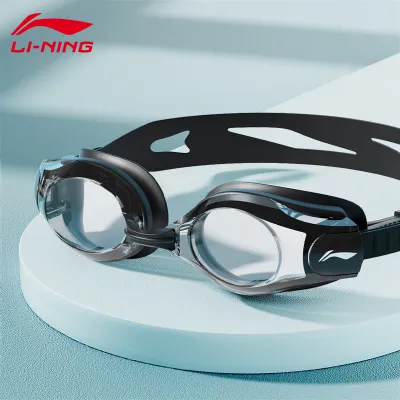
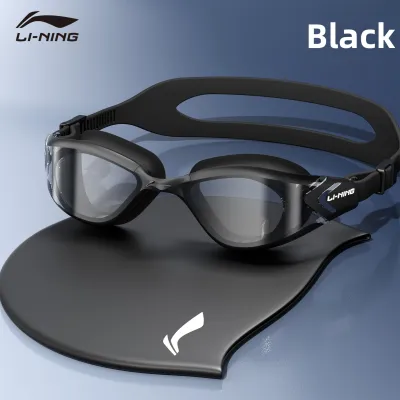
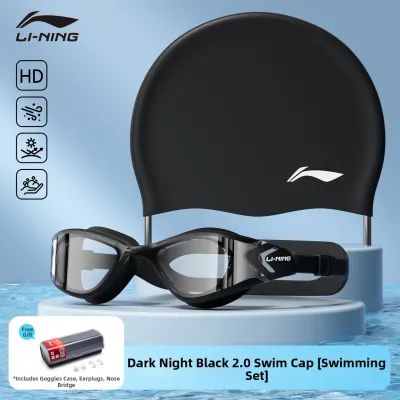
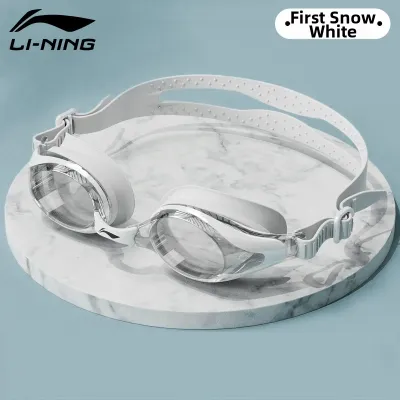

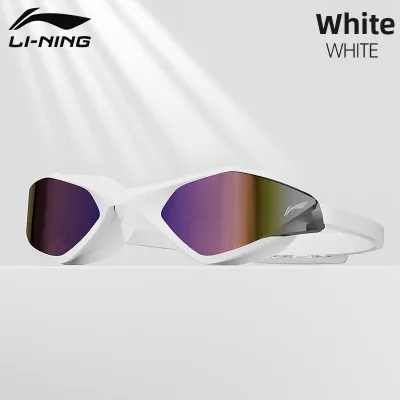
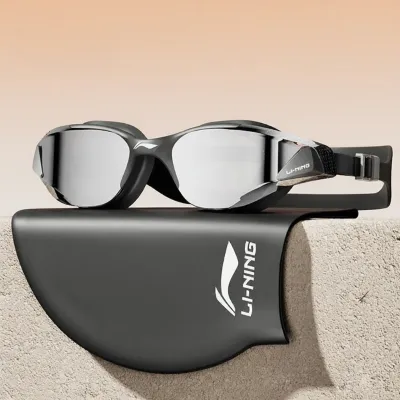
Prices are valid at publication and may change. Please refer to the product page for the latest price.
Competitive racing represents the most intense swimming profile. Here, every millisecond counts, and the primary objective is minimizing hydrodynamic drag. Racing goggles feature low-profile frames that sit deep within the eye socket, sacrificing some cushioning to ensure the goggles do not slip or leak during high-velocity dives and explosive turns.
Your swimming environment also dictates your lens requirements. If you swim in bright outdoor pools under the afternoon sun, you will need lenses with strong UV protection and dark or mirrored tints to reduce glare. Conversely, indoor pools with standard overhead lighting are best paired with clear or lightly colored lenses that maximize light transmission.
Key Features to Evaluate on the Product Label
When browsing Li-Ning goggles, the product packaging and specifications label provide essential clues about performance and fit. Understanding these technical details allows you to make an informed decision before you ever try them on. Whether you are investing S$15 in a basic pair or S$50 in a high-performance model, checking the label ensures you get the right features for your budget.

First, examine the lens material and optical treatments. High-quality polycarbonate lenses are standard for their impact resistance and lightweight durability. Look closely for explicit mentions of built-in UV protection and factory-applied anti-fog coatings. These coatings are delicate chemical layers on the inner surface of the lens that prevent condensation, which is crucial for maintaining a clear line of sight.
Next, evaluate the gasket and seal materials. The gasket is the part of the goggle that makes direct contact with your face. High-grade liquid silicone is highly flexible, hypoallergenic, and conforms easily to various facial contours, offering a soft and comfortable seal. Harder, more rigid gaskets or gasket-less designs are typically reserved for racing models, where structural stability under high water pressure is prioritized over soft cushioning.
Finally, check the strap and nose bridge adjustability. A split-strap design distributes pressure evenly across the back of your head, preventing the goggles from slipping downward. Look for quick-adjust buckles that allow you to modify strap tension with a simple pull. Additionally, check if the model includes interchangeable nose pieces of varying widths, which are vital for aligning the lenses perfectly with your eyes and preventing leaks at the inner corners.
Matching Goggle Types to Specific Swimming Activities
Goggles are generally categorized into three distinct designs: recreational, fitness, and racing. Each category balances comfort, durability, and hydrodynamics differently to suit specific pool activities.
Recreational and Leisure Swimming
For casual swimmers, comfort is paramount. Recreational goggles feature wide, thick silicone gaskets that distribute pressure over a larger surface area around the eye socket. This design minimizes the ‘goggle eyes’ effect—the red rings left behind after a swim—and allows you to wear them comfortably for hours.
These models also prioritize a wide field of view. The lenses are typically larger and slightly curved, allowing you to maintain excellent peripheral vision so you can easily see other swimmers and your surroundings. The straps are designed for ease of use, often featuring simple push-button adjusters that make it easy to loosen or tighten the fit on the go. Because they have a highly flexible frame, recreational models offer the most forgiving fit for a wide variety of face shapes.
Fitness and Lap Training
Fitness and lap training goggles strike a balance between the plush comfort of recreational models and the streamlined profile of racing gear. They feature a mid-profile design that sits closer to the face than leisure goggles, reducing drag without pressing too deeply into the eye sockets.
When selecting a fitness model, look for robust strap mechanisms and durable anti-fog treatments that can handle the wear and tear of multiple weekly sessions. The gaskets are typically made of medium-density silicone, providing a secure seal that remains comfortable during a 45-minute workout. If your training sessions take you to different pools, consider mirrored or tinted lenses to handle varying light conditions, ensuring your eyes remain comfortable whether you are under bright indoor lights or outdoor sunshine.
Competitive Racing
Competitive racing goggles are engineered strictly for speed and hydrodynamics. They feature an ultra-low-profile design that sits flush against the face, minimizing water resistance as you glide through the pool. Many racing models feature minimal gaskets or are completely gasket-less, relying on a precise, rigid fit to keep water out.
This rigid construction ensures that the goggles remain securely in place during high-impact moments, such as diving off the starting block or executing a powerful flip turn. However, this streamlined performance comes with a trade-off in comfort. The tight, deep fit can cause pressure around the eye sockets over time, making these models unsuitable for long, casual swim sessions. They are best reserved for races and high-intensity sprint training where speed is the only priority.
How to Test the Fit and Seal Before Swimming
Even the most advanced goggles will leak if they do not match your unique facial structure. To ensure a watertight fit, you should perform a quick physical test before taking them to the pool.
Start with the suction test. Gently press the goggle lenses against your eye sockets without putting the strap over your head. If the goggles are a good match for your face shape, they should cling to your skin and create a temporary vacuum seal, holding their position for at least a few seconds before falling off. If they pop off immediately, air is escaping through a gap, meaning water will likely enter when you swim.
Next, adjust the nose bridge. The distance between your eyes is unique, and a nose bridge that is too wide or too narrow will cause the gaskets to sit incorrectly. If the model features interchangeable nose pieces, swap them out until the lenses sit squarely over your pupils without pinching the bridge of your nose or pulling the outer corners of the gaskets away from your temples.
Watch out for signs of a poor fit during this dry run. If you feel excessive pressure directly on your eyeballs, or if you notice gaps near the outer temples, the frame shape may not be compatible with your bone structure. The goggles should feel secure and snug, but never painful.
Care and Maintenance to Extend Goggle Life
Proper post-swim care is essential for preserving the clarity of your lenses and maintaining the flexibility of the silicone seals. Chlorine, salt, and pool chemicals can degrade these materials over time if they are not cleaned properly.
Immediately after every swim, rinse your goggles thoroughly in cool, fresh tap water. This removes residual chlorine, salt, and organic matter that can erode the silicone gaskets and cloud the lenses. Avoid using hot water, dish soap, or harsh detergents, as these can strip away the delicate anti-fog coating applied to the inside of the lenses.
Never touch, wipe, or rub the inside of the lenses with your fingers, towels, or cloths. The factory anti-fog coating is highly sensitive to friction, and wiping it will scratch or remove the protective layer, leading to permanent fogging issues. Instead, let the goggles air dry completely in a shaded, well-ventilated area.
Once dry, store your goggles in a dedicated protective case. Leaving them loose in your swim bag exposes the lenses to scratches from keys, zippers, or rough fabrics. Keep them out of direct sunlight and extreme heat, such as inside a parked car, as high temperatures can warp the plastic frame and dry out the silicone straps, causing them to crack and fail prematurely.
Frequently Asked Questions (FAQ)
How do I prevent my Li-Ning goggles from fogging up during a swim?
To maintain clear vision, never wipe or rub the inside of the lenses, as this destroys the factory anti-fog coating. If the goggles begin to fog during a session, you can perform a quick pre-swim rinse by dipping them briefly into the pool water and shaking off the excess before putting them on. Once the original coating eventually wears off over months of use, check the product label for compatible aftermarket anti-fog sprays or drops, applying them according to the manufacturer’s instructions to restore clarity.
Can I use fitness training goggles for occasional competitive races?
Yes, low-profile fitness training goggles are perfectly suitable for local, school, or amateur swim meets. While they may not offer the absolute minimum drag of a dedicated racing model, their secure seal and comfortable fit are often more beneficial for non-elite swimmers. Prioritizing a reliable, leak-free fit that keeps you focused on your stroke is generally more advantageous than chasing marginal hydrodynamic gains with an uncomfortable racing model.

Community discussion
Share your experience or ask a question. Comments are reviewed before publication.