
Finding the right running apparel is a balancing act, especially when navigating high-temperature and high-humidity environments. When searching for the most breathable men’s running vests, it is important to recognize that no single brand holds a universal monopoly on cooling performance. The effectiveness of any running vest depends on a dynamic interaction between fabric technology, structural design, and the specific environmental conditions of your run. In a tropical climate like Singapore’s, where the air is thick with moisture, a vest that performs beautifully in dry, windy conditions might quickly become a heavy, saturated sheet of fabric clinging to your skin.
To make an informed decision, you must look past marketing slogans and evaluate brands based on objective criteria. These include the raw fabric composition, the mechanics of moisture-wicking versus air permeability, the presence of structural ventilation features, and how the garment’s fit influences your skin’s microclimate. By understanding these variables, you can systematically compare different brands and select a vest that keeps you comfortable, dry, and chafe-free throughout your training cycle.
What Actually Makes a Running Vest Breathable?
Breathability in running apparel is often misunderstood as simple airflow, but it is actually a multi-stage process of moisture management and thermal regulation. The foundation of a highly breathable running vest lies in its fabric composition and weave density. Standard synthetic blends often rely on basic polyester or nylon fibers woven tightly together, which can block air passage and trap body heat. In contrast, premium running vests utilize advanced microfiber polyesters or engineered synthetic blends. These fabrics feature a much looser, more porous weave structure that allows air to pass directly through the garment, facilitating immediate convective cooling as you move.
Products mentioned in this guide
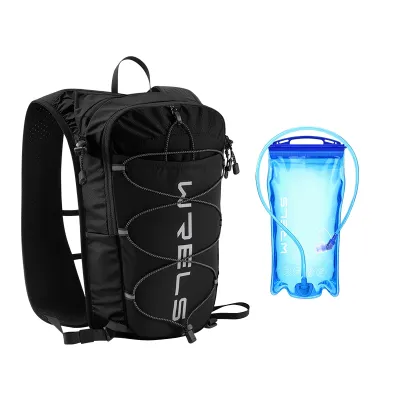
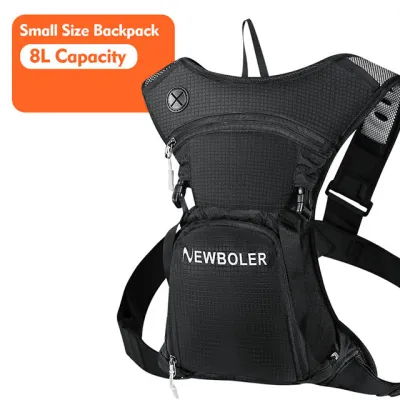

Prices are valid at publication and may change. Please refer to the product page for the latest price.
Moisture-wicking mechanics represent the second critical pillar of breathability, and they operate differently from pure airflow. While airflow allows wind to cool your skin directly, moisture-wicking is the fabric’s ability to pull liquid sweat away from your skin and transport it to the outer surface of the garment, where it can evaporate. In dry climates, this evaporation happens almost instantly. However, in high-humidity environments, the air is already saturated with water vapor, which severely slows down evaporation. Therefore, a truly breathable vest for humid conditions must feature rapid-wicking fibers that spread moisture across a wide surface area, accelerating evaporation even when the air is damp.
The final element is the garment’s fit and drape, which directly dictates the microclimate—the thin layer of air trapped between your skin and the fabric. If a vest clings too tightly to your torso, it can saturate quickly and create a barrier that blocks ambient air from reaching your skin. Conversely, if the vest is excessively loose, the fabric will not make enough contact with your skin to wick sweat away effectively, leaving droplets to pool on your body. The ideal breathable vest drape sits lightly against the skin without squeezing, allowing a gentle chimney effect where hot air rises and escapes through the neck and armholes while cooler air is drawn in from the hem.
How Top Brands Approach Fabric and Ventilation
When comparing popular running apparel brands, you will encounter a vast array of proprietary cooling labels and marketing terms. To cut through the noise, you must learn to read and verify these claims by examining the physical garment and its material composition tags. Many entry-level brands rely on chemical topical treatments applied to standard polyester to achieve temporary moisture-wicking effects. While these vests may feel lightweight and perform well initially, these chemical finishes tend to wash out over time, leaving you with a standard, heat-trapping synthetic shirt. Premium brands, on the other hand, typically integrate wicking properties directly into the yarn’s physical structure or use cooling-yarn infusions that remain effective for the lifetime of the garment.

Fabric weight and thickness are excellent indicators of a brand’s design priorities, particularly when comparing entry-level lines to premium racing collections. Premium racing vests are engineered to be incredibly thin and lightweight, often utilizing fabrics with a low weight per square meter. When holding these garments up to the light, you should see a semi-sheer, highly porous structure. Many top-tier brands use engineered jacquard knits, which allow them to vary the fabric’s density across different parts of the vest without adding seams. This means they can place highly open, mesh-like structures in high-sweat zones while maintaining a slightly more durable, structured weave across the chest and shoulders.
To evaluate brand marketing claims objectively, always perform a physical check of the fabric’s hand-feel and construction. A high-quality, breathable running vest should feel soft, dry, and slightly textured rather than slick or plastic-like. This subtle texture is intentional; it prevents the wet fabric from suctioning to your skin when you sweat heavily. Additionally, check the stretch of the fabric. Vests that incorporate high percentages of elastane or spandex provide excellent freedom of movement, but elastane is inherently hydrophobic and retains more moisture than pure polyester or nylon. For maximum breathability in extreme heat, look for brands that achieve stretch through mechanical knit structures rather than high elastane content.
Structural Design Features That Maximize Airflow
Beyond the inherent properties of the fabric, the physical construction of a running vest plays a massive role in how well it ventilates. Strategic mesh panel placement is one of the most common and effective design features used by top brands. Because the human back—particularly along the spine—and the underarms are primary heat-release zones for men, highly breathable vests will feature dedicated mesh panels in these areas. This targeted zoning ensures that as you run forward, the air rushing past your body creates a pressure differential that actively pulls hot, humid air out through the mesh back, keeping your core temperature regulated.
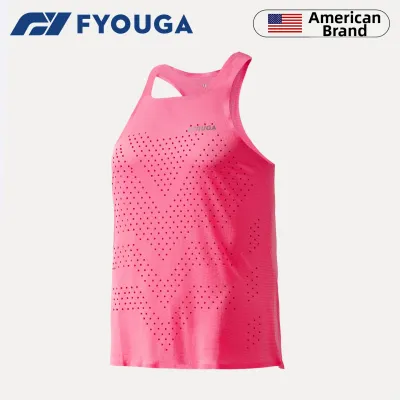
Another critical construction feature to look for is the use of laser-cut perforations and bonded seams. Traditional stitched seams require overlapping fabric and heavy thread, which creates bulky ridges that trap heat, retain sweat, and cause friction against the skin. Premium running brands bypass this issue by using bonded or taped seams that lie completely flat. Furthermore, laser-cut perforations—tiny, clean-edged holes melted directly into the fabric—provide permanent ventilation pathways in areas where mesh panels might compromise the garment’s structural integrity. These perforations do not fray over time and allow a constant stream of fresh air to reach your chest and collarbone area.
The overall cut and silhouette of the vest also dictate its cooling efficiency. For maximum ventilation in extreme heat, many runners prefer open-back, halter-style, or deep racerback designs. A racerback cut features a narrower fabric strip between the shoulder blades, exposing a larger surface area of your back directly to the air. Deeper armholes also prevent fabric from bunching up under the armpits, which is a common site for sweat accumulation and painful chafing. When evaluating different brands, look closely at the shape of the armholes and the width of the shoulder straps to ensure they align with your body shape and comfort preferences.
Matching Vest Breathability to Your Climate and Run Type
Selecting the right running vest is not just about finding the most breathable option on the rack; it is about matching those features to your local climate and the specific type of running you do. In high-humidity environments like Singapore, where the air temperature is warm and the moisture level is high, sweat evaporation is naturally limited. In these conditions, a vest that relies solely on wind permeability will quickly fail once the wind drops. You need a vest that prioritizes rapid capillary action—drawing sweat away from the skin and spreading it across the fabric’s outer surface—combined with a highly textured inner face that prevents the wet garment from sticking to your chest.
Your training intensity and run duration should also dictate the level of ventilation you require. For high-intensity interval training or short, fast tempo runs, your body generates a massive amount of heat in a short period. For these sessions, an ultra-lightweight, heavily zoned mesh vest is ideal, as it maximizes immediate heat dumping. However, for long, slow distance runs, you may be on your feet for several hours. During these longer efforts, comfort and durability become just as important as raw breathability. A vest with slightly more structure and flat, bonded seams will help prevent the fabric from sagging under the weight of accumulated sweat, reducing the risk of painful chafing over long distances.
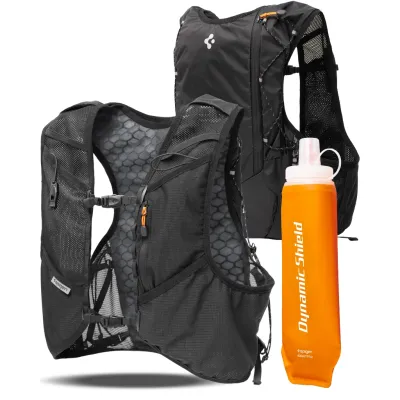
Additionally, consider how your choice of vest fits into your broader gear setup, including layering and hydration. If you frequently run with a hydration vest or a running belt, the friction of the straps can cause lightweight, delicate mesh fabrics to pill or tear. In these scenarios, you should look for a vest that features a more durable, tightly woven synthetic fabric across the shoulders and collarbone, with highly breathable mesh panels restricted to the lower back and sides where the hydration pack does not rub. This hybrid approach ensures you maintain excellent ventilation without sacrificing the lifespan of your apparel.
Decision Framework: Which Vest Style Fits Your Needs?
To simplify your search, you can categorize your options into distinct styles based on your primary running conditions and personal preferences. If your main goal is to survive long runs in intense tropical heat and humidity, you should prioritize heavily zoned mesh vests. These garments feature open-mesh backs and ultra-lightweight front panels designed specifically for maximum airflow and rapid moisture transport. While they offer less physical structure and minimal sun protection, they are unmatched in their ability to dump heat and keep you feeling light when the humidity peaks.
If you require a more versatile garment that performs well across a range of conditions, look for lightweight, tight-weave synthetic vests. These vests offer a balanced combination of breathability, structural durability, and sun protection. The tighter weave provides a natural barrier against ultraviolet rays, making them excellent for daytime runs under direct sunlight. They also hold their shape better when wet and are highly resistant to the abrasive wear caused by hydration pack straps, making them a reliable choice for trail runners and marathon training.
Regardless of the style you choose, always perform a few key checks before making a purchase. Verify the brand’s specific sizing chart, as premium racing cuts often run smaller and tighter than standard training gear. Pay close attention to the armhole cut and seam placement; put the vest on and mimic your running arm swing to ensure there is no rubbing or restriction around your chest and underarms. Finally, check the care label to ensure the fabric’s technical properties can be easily maintained through standard washing procedures, ensuring your investment continues to perform run after run.
Frequently Asked Questions (FAQ)
Does a tighter fit improve or reduce breathability?
The relationship between garment fit and breathability is a delicate balance. For moisture-wicking technology to work, the fabric must make direct contact with your skin to draw sweat away. However, if the vest is too tight, it restricts natural airflow and traps a layer of hot, humid air against your body, which can lead to overheating. Conversely, a vest that is too loose will not contact your skin enough to wick sweat, causing moisture to pool. The optimal fit is a semi-fitted cut that sits close to your torso without compression, allowing the fabric to wick sweat while still permitting air to circulate underneath.
How should I wash breathable running vests to maintain their performance?
To preserve the technical performance of your running vest, always wash it in cold water on a gentle cycle and avoid using fabric softeners. Fabric softeners leave a thin, waxy coating on the synthetic fibers, which clogs the microscopic pores of the fabric and permanently destroys its moisture-wicking capabilities. Additionally, avoid using a tumble dryer, as high heat can degrade the elastic fibers, warp the mesh structures, and melt the adhesive used in bonded seams. Instead, hang the vest to air dry in a shaded, well-ventilated area, where the quick-drying synthetic fibers will dry rapidly on their own.
Community discussion
Share your experience or ask a question. Comments are reviewed before publication.