
Selecting the ideal Rockbros bike lock requires balancing the security needs of your parking locations with the practicalities of your daily commute. There is no single lock type that excels in every scenario; instead, riders must choose between the rigid strength of a U-lock, the flexible reach of a chain lock, and the lightweight convenience of a cable lock. By matching the physical properties of these locks to your typical stops—whether a quick coffee break along a park trail or long-term storage at a transit hub—you can protect your bicycle effectively without carrying unnecessary weight.
Understanding the Core Trade-Offs: Security vs. Portability
Every bicycle lock design is governed by a fundamental compromise between physical security and carrying convenience. The primary factor determining a lock’s resistance to cutting tools is its material thickness and density. Hardened steel shackles and heavy chain links require substantial effort and specialized tools to defeat, but this physical mass directly translates to a heavier load on your frame or in your backpack. Conversely, lighter materials are easier to transport but offer significantly less resistance to opportunistic theft. Investing in a reliable lock is a minor expense compared to replacing a bicycle worth several hundred S$.
Beyond weight, you must consider the locking radius, which defines the size and shape of the objects you can secure your bike to. A rigid lock has a fixed, limited opening that requires you to park extremely close to standard bicycle racks. A flexible lock can wrap around wider or irregularly shaped anchors, such as street lamps, railings, or mature trees. Understanding where you plan to park helps you determine whether to prioritize a high-security rigid barrier or a highly adaptable flexible tie.
Products mentioned in this guide
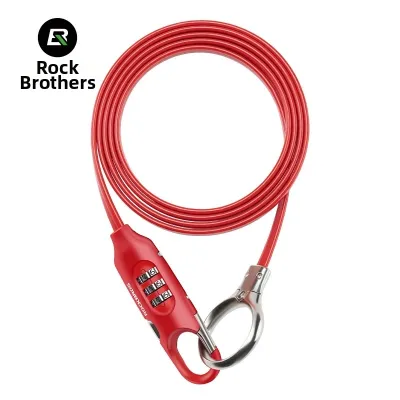
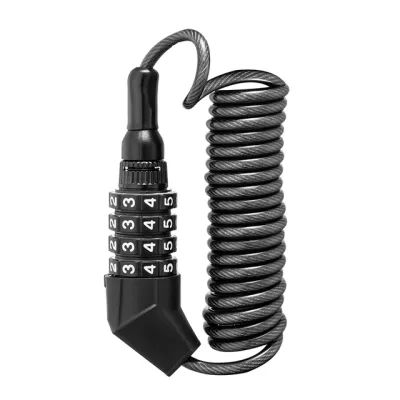
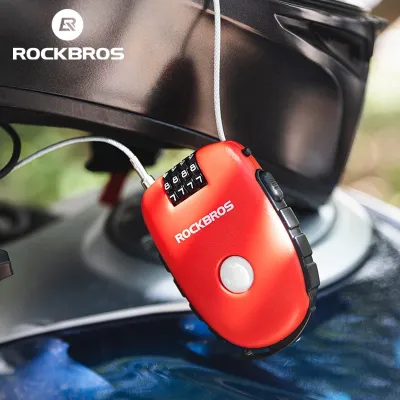
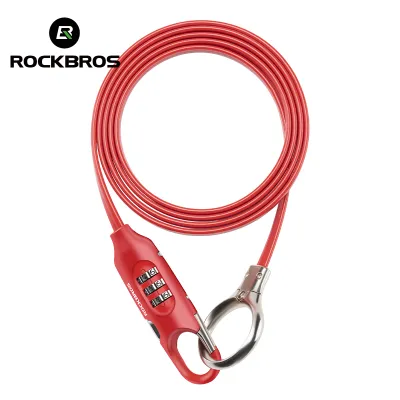
Prices are valid at publication and may change. Please refer to the product page for the latest price.
U-Locks: Rigid Protection for Fixed Stops
U-locks, also known as D-locks, represent the standard for high-security bicycle protection. These locks consist of a solid metal shackle that locks into a heavy crossbar, creating a rigid loop. This design makes them highly resistant to leverage attacks, crowbars, and standard hand tools like cable cutters. If you regularly leave your bicycle unattended for long periods in high-traffic areas, transit stations, or public racks, a robust U-lock serves as your primary line of defense.

However, the rigid shape of a U-lock introduces distinct physical limitations. The fixed dimensions mean you can only secure your bike to narrow, purpose-built metal racks or thin poles. If a parking area is crowded or lacks standard infrastructure, you may struggle to find an anchor that fits within the narrow shackle. Furthermore, a single U-lock typically only secures the frame and one wheel to the anchor, leaving the remaining wheel and accessories vulnerable unless you supplement the setup with an additional cable.
When carrying a U-lock, you must plan how to transport its rigid frame. Many models come with frame-mounting brackets that attach directly to your bicycle tubes, keeping the lock secure and silent during your ride. If your frame geometry does not accommodate a bracket, or if you prefer a cleaner aesthetic, you will need to carry the lock in a backpack or pannier. Before purchasing, verify the inner dimensions of the shackle to ensure it is wide enough to clear your bicycle frame and wheel, yet narrow enough to prevent thieves from inserting car jacks or leverage bars.
Chain Locks: Flexible Coverage for Varied Anchors
Chain locks offer a versatile alternative by combining heavy-duty security with a flexible form factor. Constructed from a series of hardened steel links covered by a protective sleeve, these locks allow you to secure your bicycle to a wide variety of urban fixtures. Whether you need to lock your frame to a thick street sign, a wooden fence post, or multiple bicycles together, the flexible nature of a chain makes it much easier to find a suitable anchor point in non-traditional parking environments.
The primary trade-off with a chain lock is its physical weight. To provide comparable cutting resistance to a U-lock, a chain requires thick, heavy links that can add several kilograms to your daily carry. To manage this weight, some riders wrap the chain around their seat post or wear it across their torso, though carrying it in a dedicated frame bag or pannier is generally safer and more comfortable. Additionally, you must always check the condition of the fabric or nylon sleeve surrounding the chain; a torn sleeve can allow the metal links to rub directly against your bicycle frame, leading to paint chips and structural scratches over time.
When evaluating a chain lock, pay close attention to the lock head mechanism and the thickness of the individual links. A high-quality chain lock should feature an integrated lock head that securely clamps the end links, preventing weak points that could be pried open. Check the product specifications on the packaging to verify that the links are made of hardened steel alloys rather than soft, low-grade metals that can be easily cut with manual bolt cutters.
Cable Locks: Lightweight Convenience for Low-Risk Stops
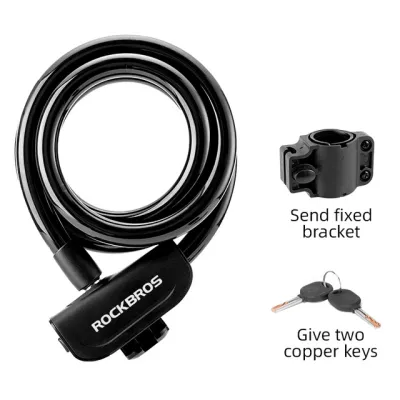
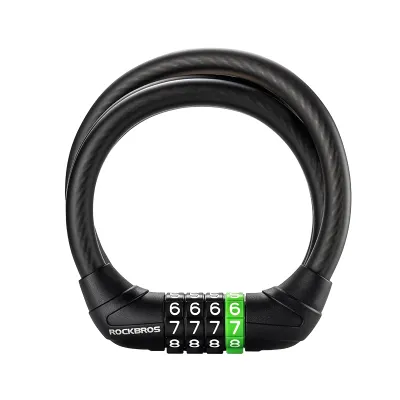
Cable locks consist of braided steel wires encased in a protective plastic or vinyl coating. Their primary advantage is exceptional portability and ease of use. Because the steel strands are thin and flexible, these locks can be coiled tightly to fit into a small saddle bag, wrapped around your seat post, or even carried in a pocket. They are incredibly lightweight, making them a popular choice for recreational riders who want to minimize the physical load on their bicycles.
Despite their convenience, cable locks offer the lowest level of security among the three main types. The braided steel construction is highly vulnerable to hand tools, and a thief equipped with basic wire or bolt cutters can sever a standard cable lock in a matter of seconds. For this reason, cable locks should never be relied upon as the sole method of security for expensive bicycles left unattended for long periods.
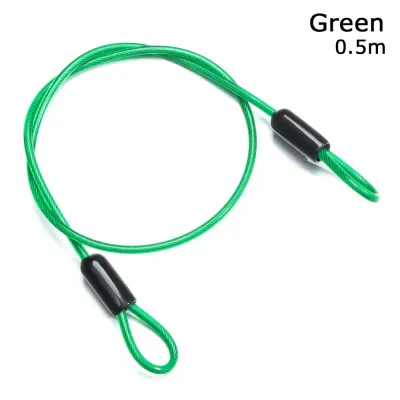
Instead, cable locks are best utilized in low-risk scenarios where your bicycle remains within your line of sight, such as brief stops at a roadside cafe or convenience store. They are also highly effective when used as secondary security. By looping a cable lock through your wheels, saddle, or helmet and connecting it to a primary U-lock, you can deter opportunistic thieves from stealing easily removable components while your main frame remains securely anchored.
Matching the Lock to Your Cycling Routine
To choose the right Rockbros bike lock, you must analyze your typical riding routes and parking habits. For example, if you frequently ride along the Park Connector Network (PCN) in Singapore, your stops are likely to be brief and located near outdoor rest areas or park cafes. In these green spaces, you may encounter wide wooden railings or thick park benches rather than standard metal bike racks. A flexible chain lock or a combination of a lightweight cable lock for quick, supervised stops provides the versatility needed to secure your bike to these varied structures.
For daily commuters who rely on public transportation, the security requirements are much higher. Leaving a bicycle at MRT stations or bus interchanges for the entire workday exposes it to prolonged, unsupervised risk. In these high-traffic transit hubs, a heavy-duty U-lock is essential to withstand potential theft attempts. The rigid security of a U-lock ensures your frame remains anchored to the metal racks, giving you peace of mind while you are away.
If your routine consists of quick urban errands or cafe visits, you must weigh the convenience of carrying a lock against the local risk level. A lightweight cable lock might suffice if you are popping into a shop for two minutes and can see your bike through the window, but any stop where the bike is out of sight demands a more robust solution.
To simplify your decision, use this quick selection framework:
- Choose a U-Lock if: You park your bicycle at transit hubs, school campuses, or public racks for hours at a time, and you have a standard frame mount or bag to carry a rigid lock.
- Choose a Chain Lock if: You frequently park in areas without dedicated bike racks, need to lock your bike to wide posts or trees, or want to secure multiple bicycles together.
- Choose a Cable Lock if: You only make brief stops where your bike remains visible, or you need an easy way to secure accessories like helmets and quick-release wheels alongside a primary lock.
Essential Specifications to Verify on the Label
When shopping for a Rockbros bike lock on an online marketplace or at a local shop, you should look past marketing claims and focus on verifiable technical specifications printed on the packaging. First, check for recognized independent security certifications, such as Sold Secure or ART ratings. These organizations subject locks to standardized, rigorous testing using real-world theft tools, providing an objective measure of how long a lock can resist an attack.
Next, verify the exact dimensions and materials of the locking element. Look for labels specifying “hardened steel” or “alloy steel” rather than generic “steel.” For U-locks, a shackle diameter of 13mm or greater is generally recommended to resist manual bolt cutters. For chain locks, look for link thicknesses of at least 6mm to 8mm for moderate security. Ensure these measurements refer to the actual metal core, as some manufacturers include the thick plastic or fabric sleeve in their advertised dimensions.
The lock cylinder is another critical component to inspect. Disc detainer cylinders offer significantly higher resistance to picking and drilling compared to standard pin-tumbler designs. Finally, check the practical details: confirm how many keys are included in the package and check if the manufacturer offers a key registration service, which allows you to order replacements using a unique code if you lose your original set.
Frequently Asked Questions (FAQ)
Should I use two different locks together?
Using a dual-lock strategy is one of the most effective ways to deter bicycle theft. By combining a high-security U-lock to secure your frame with a flexible cable or chain lock to secure your wheels, you force a potential thief to carry multiple types of cutting tools. This added complexity and the extra time required to defeat two different locking mechanisms often convince thieves to move on to an easier target. Just ensure the secondary lock is positioned so it does not interfere with your chainring, pedals, or spokes while riding.
How do I maintain the lock cylinder in humid weather?
In warm, humid climates, moisture and airborne dust can easily enter the keyway, leading to internal corrosion or a sticky locking mechanism. To prevent your lock from jamming, avoid using heavy wet oils or WD-40, which can attract dirt and create a thick grime inside the cylinder. Instead, apply a dry, PTFE-based lubricant directly into the keyway every few months. Additionally, always use the integrated dust cover on your lock’s keyway when it is parked outdoors, and wipe the metal components dry after riding through heavy rain.

Community discussion
Share your experience or ask a question. Comments are reviewed before publication.