
Staying hydrated with ice-cold water is a necessity when exercising in Singapore’s year-round tropical heat and high humidity. Whether you are running along the sunny paths of East Coast Park or powering through a high-intensity interval training session in a local gym, a lukewarm drink can quickly sap your motivation. Many fitness enthusiasts turn to double-walled vacuum-insulated tumblers to keep their beverages cold, but the market is flooded with various add-ons claiming to boost thermal performance.
Understanding which tumbler accessories actually contribute to temperature retention—and which ones merely offer aesthetic or physical protection—is key to making a smart purchase. While some accessories can significantly minimize heat exchange, others have virtually no impact on how long your ice remains solid. By focusing on the physical mechanisms of heat transfer and selecting accessories that target the weakest points of your bottle, you can ensure your water stays refreshing from the first set to the final stretch.
Key Factors That Actually Improve Cold Retention
To understand how accessories affect your drink’s temperature, it is essential to look at how heat enters a vacuum-insulated tumbler. Heat transfer occurs through three primary pathways: conduction, convection, and radiation. Conduction happens when heat travels through solid materials in direct contact with each other. Convection occurs when warm air circulates and replaces cold air inside the container. Radiation is the transfer of heat through electromagnetic waves, such as direct sunlight hitting the outer surface of your bottle.
Products mentioned in this guide
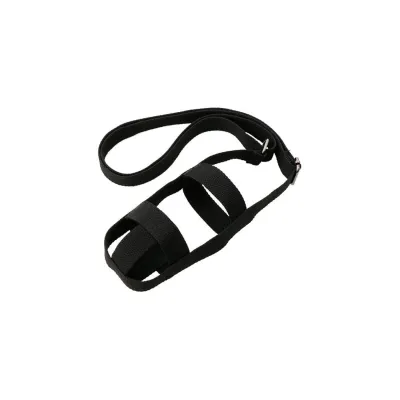
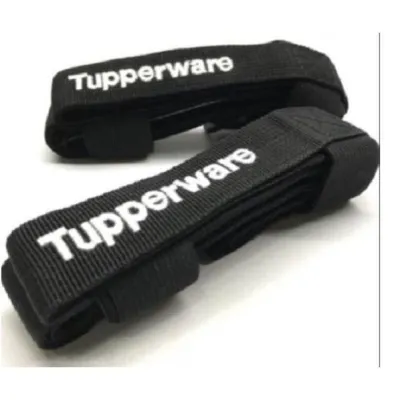
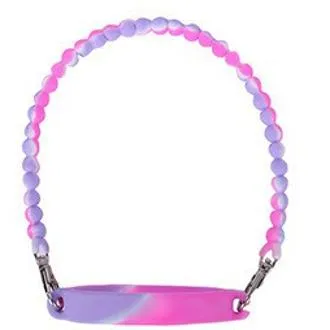
Prices are valid at publication and may change. Please refer to the product page for the latest price.
A high-quality tumbler uses a double-wall stainless steel construction with a vacuum sealed between the layers. Because a vacuum contains no air molecules, it virtually eliminates conduction and convection through the sides of the bottle. However, the weakest link in this thermal barrier is always the top of the container. The lid, the straw opening, and the mouth of the bottle are not vacuum-insulated, making them the primary zones where warm air enters and cold air escapes.
This means that seal integrity is the single most critical factor in maintaining cold temperatures. A tight gasket, a secure closure mechanism, and a sealed straw opening prevent warm, humid air from circulating inside the vessel. If these components are loose or poorly designed, convection will rapidly melt your ice, regardless of how thick the steel walls are. Furthermore, external accessories cannot compensate for a compromised vacuum seal; if your base tumbler has been dropped and its vacuum barrier is damaged, no external sleeve or lid upgrade will restore its original insulating properties.
Evaluating Common Tumbler Accessories for Real Insulation Value
When browsing online marketplaces for tumbler accessories, it is easy to confuse physical protection with thermal insulation. Many products are marketed as “insulating” simply because they cover the bottle, but their actual impact on temperature retention is negligible. To make an informed decision, you must distinguish between accessories designed to absorb physical impacts and those engineered to block heat transfer.

Verifying manufacturer claims requires looking past marketing buzzwords and focusing on material specifications. High-quality thermal accessories should list their materials clearly, such as food-grade silicone, BPA-free plastics, or heavy-duty neoprene. Look for designs that emphasize airtight seals, thick physical barriers at the lid, or optimized ice volume. Understanding the physical properties of these materials will help you determine whether an accessory will actually keep your drink colder or simply protect your gear from scratches.
Insulated Lids and Straw Covers
The lid is the primary gateway for heat exchange, making it the most impactful accessory you can upgrade. Standard tumblers often come with simple press-on lids that feature open sipping spouts or basic sliding covers. These designs allow a continuous exchange of air, letting Singapore’s warm, humid air mix with the cold air inside your bottle. Upgrading to a highly sealed lid can dramatically reduce this convective heat loss.
Magnetic sliders, flip-caps, and specialized straw plugs offer varying degrees of thermal protection. A magnetic slider or a secure flip-cap creates a tight seal over the drinking spout when closed, blocking air circulation. Straw covers—small silicone caps that fit snugly over the tip of a reusable straw—are highly effective at stopping warm air from entering the straw channel. While these accessories require an extra step to open, the thermal benefit is substantial compared to leaving a spout completely exposed to the elements.
When selecting a replacement lid, pay close attention to the quality of the silicone gasket. A thick, multi-grooved gasket ensures a tight friction fit or screw thread, preventing both liquid leaks and air exchange. It is also wise to check the availability of replacement gaskets, as these components can degrade over time due to friction and exposure to moisture, eventually compromising the seal.
Silicone Sleeves and Neoprene Pouches
Silicone boots, full-body sleeves, and neoprene carrying pouches are incredibly popular, but their direct contribution to thermal insulation is often misunderstood. Because a vacuum-insulated tumbler already blocks almost all heat transfer through its walls, adding a thin layer of silicone or neoprene to the outside does not measurably increase its cold retention. The physics of the vacuum barrier mean that the temperature of the outer steel wall has very little influence on the liquid inside.
However, these external wraps offer significant secondary benefits that are highly valuable during workouts. In Singapore’s humid climate, even a vacuum bottle can occasionally experience minor condensation around the uninsulated collar or lid. A neoprene pouch or silicone sleeve manages this moisture, providing a dry, secure grip when your hands are sweaty from exercise. Additionally, a silicone boot protects the bottom of your tumbler from dents and scratches when placed on rough gym floors, concrete outdoor benches, or metal treadmill cup holders.
If you choose to use a full-body sleeve or pouch, compatibility and fit are crucial. A loose sleeve can trap sweat, outdoor humidity, or spilled water against the metal surface. Over time, this trapped moisture can lead to mold growth or unsightly mineral deposits on the powder-coated steel. Ensure the accessory fits tightly and can be easily removed for regular cleaning and drying.
Specialized Ice Molds and Internal Chillers
Another highly effective way to keep your drink cold is to optimize the ice inside the tumbler. Standard ice cubes from a refrigerator tray have a high surface area relative to their volume, causing them to melt quickly when exposed to room-temperature water. Specialized ice molds, such as those that create large spheres, solid blocks, or thick hollow cylinders designed specifically for tumblers, melt at a much slower rate.
Using a single large block of ice instead of many small cubes reduces the total surface area exposed to the liquid. This slower melting rate keeps your drink at a consistently low temperature for a longer duration without diluting your beverage too rapidly. For outdoor workouts where you cannot easily refill your ice, investing in a silicone mold that fits your tumbler’s internal dimensions is a highly practical upgrade.
Conversely, reusable stainless steel chilling cubes or liquid-filled ice sticks offer mixed results. While they prevent dilution and displace less liquid, their actual cooling capacity is significantly lower than that of real ice. Real ice absorbs a massive amount of heat as it undergoes the phase change from solid to liquid (known as the latent heat of fusion). Reusable metal or plastic chillers do not melt, meaning they cannot absorb as much heat from the surrounding water. For intense workouts in hot conditions, real ice remains the superior choice.
Matching Accessories to Your Specific Workout Conditions
The ideal combination of tumbler accessories depends heavily on where and how you exercise. Different environments present unique thermal and physical challenges, requiring you to prioritize certain features over others to get the best performance from your gear.
For indoor gym sessions, your primary concerns are likely leak prevention and secure handling. Gym bags are often tossed into lockers or onto the floor, making a 100% leak-proof lid with a secure locking mechanism essential. A silicone boot is also highly beneficial in this setting, as it prevents the tumbler from sliding off smooth gym equipment surfaces and dampens the loud clanging noise when placing the bottle on metal weight racks.
If your workouts take you outdoors for running, cycling, or boot camps, you must contend with direct sunlight and physical movement. Dark-colored tumblers can absorb a significant amount of radiative heat from the sun, warming the outer steel wall. Using a light-colored or reflective neoprene carrying sling can help deflect direct sunlight while providing a convenient way to carry your bottle hands-free. For outdoor activities, a rapid-access spout lid with a dust cover is ideal, allowing you to take quick sips without exposing the entire mouth of the bottle to the hot air and airborne dust.
High-intensity interval training (HIIT) or functional fitness classes demand quick, effortless hydration. During a brief rest period, you do not want to spend time unscrewing a complex lid or dealing with a tight, two-handed latch. A straw lid with a hygienic silicone cover or a quick-release button lid allows you to drink with one hand and immediately return to your workout. While straw lids have slightly more air leakage than solid screw caps, the convenience during high-intensity sessions often outweighs the minor loss in thermal efficiency.
Pre-Purchase Checks and Compatibility Limits
Before spending money on third-party tumbler accessories, it is vital to perform a few compatibility checks. The market is filled with universal accessories, but minor differences in dimensions can lead to leaks, poor fit, or complete incompatibility.
First, verify the exact measurements of your tumbler. Do not rely solely on the fluid ounce capacity, as different brands use unique thread pitches, mouth diameters, and lip shapes. A lid designed for one brand’s tumbler will rarely create an airtight seal on a competitor’s bottle of the same size. Use a ruler or calipers to measure the inner and outer diameter of your bottle’s mouth, and compare these specs directly with the accessory manufacturer’s sizing charts. While high-quality replacement lids typically cost between S$10 and S$25, buying an incompatible one is a waste of resources.
Second, prioritize material safety. Because these accessories will be in close contact with your drinking water, ensure they are made from food-grade silicone, BPA-free plastics, and high-quality stainless steel. Look for clear product labeling and certifications on the packaging. Avoid extremely cheap, unbranded plastic accessories that emit a strong chemical odor, as these can leach unwanted flavors or chemicals into your water, especially when exposed to heat.
Finally, keep in mind that accessories cannot fix a fundamentally flawed or damaged tumbler. If your bottle’s vacuum seal has failed—which you can easily test by filling it with ice water and checking if the outside of the bottle feels cold or sweats—no lid or sleeve will keep your drink cold. In such cases, your money is better spent replacing the base tumbler rather than buying accessories. When purchasing third-party add-ons, check the retailer’s return policy so you can easily return the item if it does not provide a perfectly airtight fit.
Frequently Asked Questions (FAQ)
Do silicone sleeves actually make a tumbler keep ice longer?
No, silicone sleeves do not significantly improve ice retention. Because a double-walled vacuum tumbler already blocks heat transfer through its walls, adding an external layer of silicone has a negligible thermal effect. However, sleeves are highly useful for protecting the bottle from dents, preventing slipping when your hands are sweaty, and managing any minor condensation that forms on the uninsulated parts of the bottle.
Can I use universal replacement lids on any branded tumbler?
Generally, no. While some universal lids claim to fit all standard tumblers, minor variations in thread design, mouth diameter, and gasket thickness can prevent a proper seal. A mismatched lid can lead to leaks and allow warm air to enter, reducing the bottle’s thermal efficiency. Always check the exact model compatibility list provided by the accessory manufacturer before purchasing.
Are metal ice cubes safe and effective for workout tumblers?
Metal ice cubes are safe if handled carefully, but they are less effective than real ice for keeping drinks cold during intense workouts. Real ice absorbs a massive amount of heat as it melts, which is what keeps your water ice-cold. Metal cubes do not melt, so their cooling capacity is limited. Additionally, heavy metal cubes can clatter loudly inside a steel tumbler and pose a risk of chipping your teeth if you drink directly from the opening during active movement.

Community discussion
Share your experience or ask a question. Comments are reviewed before publication.