
Selecting the right Wilson grip tape depends primarily on your hand size, sweat levels, and the local playing environment. For a beginner, finding the correct balance between a tacky grip that clings to your hand and a dry, absorbent grip that manages moisture is essential for maintaining control of your racket. In warm, humid climates, such as playing on outdoor courts in Singapore, moisture management becomes a critical factor, whereas indoor, air-conditioned environments might allow you to prioritize a softer, more cushioned feel. By understanding how different materials, thicknesses, and textures interact with your hands, you can avoid common pitfalls like racket twisting, hand fatigue, or premature wear. This guide will help you navigate the available options, evaluate your physical needs, and choose the ideal grip tape to support your development on the court.
Overgrips vs. Replacement Grips: What Do You Actually Need?
Before purchasing any grip tape, it is important to understand the structural difference between a replacement grip and an overgrip. A replacement grip is the thick, foundational layer of material that is wrapped directly onto the wooden or composite handle of your racket. This base grip provides the primary cushioning and defines the bevels of the handle. Over time, this layer can degrade, crumble, or lose its shape, requiring a complete replacement to restore the racket’s structural integrity.
In contrast, an overgrip is a much thinner, highly replaceable outer layer designed to be wrapped on top of the base grip. Overgrips are intended for routine maintenance, allowing players to easily refresh the feel, tackiness, and sweat absorption of their handle without the cost or effort of replacing the entire base grip. For most beginners, adding an overgrip over the factory-installed base grip is the most practical starting point. It provides an inexpensive way to adjust the handle’s thickness slightly, protect the underlying base grip from sweat damage, and customize the tactile feel to match your playing conditions.
Products mentioned in this guide

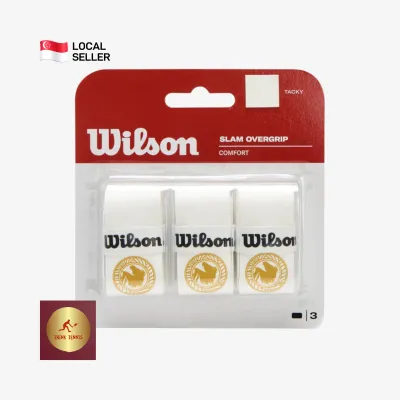
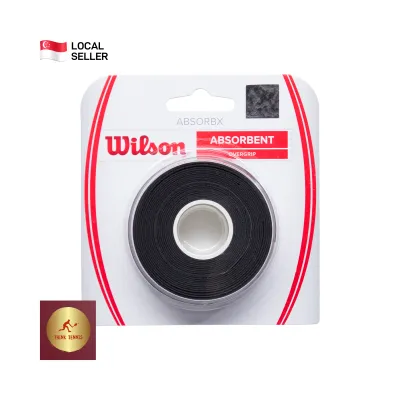
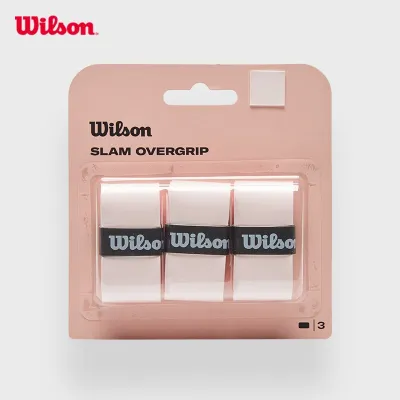
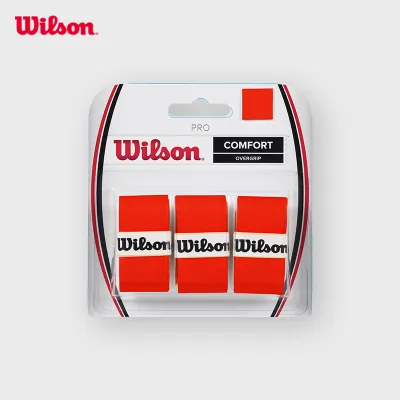
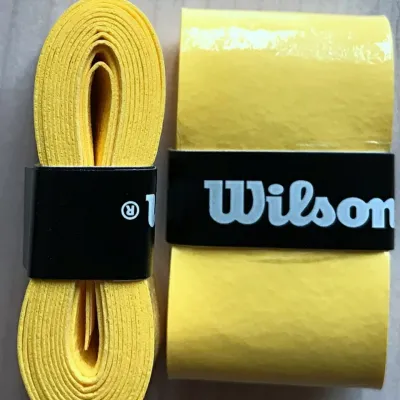

Prices are valid at publication and may change. Please refer to the product page for the latest price.
Core Selection Criteria for Beginner Tennis Players
To make an informed decision, you must first evaluate your physical characteristics and the specific conditions under which you play. Hand size is the first critical factor. If your racket handle feels slightly too small, wrapping a thicker overgrip or even layering two overgrips can increase the handle circumference, preventing you from over-squeezing the racket, which often leads to forearm fatigue. Conversely, if your hand is smaller, a very thin overgrip will preserve the original handle dimensions while still providing a fresh surface.

Environmental factors and personal sweat levels also dictate your material choice. If you frequently play on humid outdoor courts, your hands will naturally sweat more, making moisture management your top priority. In these conditions, a grip that becomes slick when wet can cause the racket to twist in your hand during off-center hits. You will need to decide between a tacky grip, which offers a sticky, secure hold in dry to moderate conditions, and a dry grip, which utilizes a powdery, suede-like texture to absorb moisture and maintain friction when wet.
Finally, consider your comfort preferences and physical sensitivity. Beginners often experience mild arm discomfort or blisters as they adapt to the vibrations of hitting a tennis ball. Selecting a grip tape with enhanced shock absorption can help dampen these vibrations, providing a softer feel that protects your joints. However, keep in mind that added cushioning can sometimes reduce the tactile feedback from the racket’s bevels, making it slightly harder to feel your grip transitions.
Matching Common Wilson Grip Tape Lines to Your Profile
Wilson offers several distinct categories of grip tapes, each designed to address specific player profiles and environmental challenges. When browsing local sports shops or online marketplaces, you will find these products categorized by their primary functional attributes, such as tackiness, cushioning, or absorbency. Rather than relying on universal recommendations, you should match your personal profile—including sweat levels, hand size, and comfort needs—to the corresponding product category.
To ensure a successful match, always verify the specifications listed on the product packaging. Look for details regarding thickness (typically measured in millimeters), material composition, and the number of grips included in the pack. Some packages are designed for single-use trials, while others offer multi-packs that provide better value for regular maintenance. By aligning these observable specifications with your playing habits, you can select a grip tape that enhances your control without compromising comfort.
Wilson Pro Overgrip: The Standard Tacky Feel
The Wilson Pro Overgrip line is widely recognized as a standard starting point for players who prefer a classic, tacky feel. This category of grip tape is designed to offer a balance of moderate stickiness and a thin profile, allowing you to feel the bevels of your racket handle clearly. It is highly suitable for players who do not experience excessive hand sweat and who play in moderate or climate-controlled environments.
When selecting this option, check the packaging to verify the exact thickness, which is typically around 0.6 mm. This thin profile ensures that your grip size remains virtually unchanged. However, if you play in highly humid conditions or suffer from heavy sweating, be aware that standard tacky grips can lose their slip-resistance once they become fully saturated with moisture. In such cases, you may need to replace them more frequently or look toward high-absorbency alternatives.
Wilson Cushion Pro: Prioritizing Comfort and Shock Absorption
For beginners who prioritize joint protection and a soft feel, the Wilson Cushion Pro category offers a thicker, more padded alternative. This type of grip tape is engineered to absorb a higher level of impact vibration, making it an excellent choice for players recovering from minor arm strain or those who find standard thin overgrips too harsh on their palms.
The added thickness of cushioned grips also serves as a practical tool for players with larger hands who need to increase their racket’s handle size. However, this extra padding comes with a trade-off: the thick material can round out the handle’s bevels, making it more difficult to feel the exact orientation of the racket face. Because comfort is highly subjective, you should test the feel of a cushioned grip during a practice session to confirm that it does not interfere with your ability to change grips smoothly.
Dry and High-Absorbency Variants for Humid Conditions
If you regularly play on outdoor courts in hot, humid climates, standard tacky grips may quickly become slippery and difficult to manage. For these environments, Wilson’s dry and high-absorbency variants are specifically designed to handle heavy moisture. These grips often feature a perforated surface or a specialized non-woven polyurethane blend that actively draws sweat away from the surface.
Unlike the sticky feel of the Pro line, dry overgrips have a velvety, powdery, or cloth-like texture that maintains its friction even when wet. When evaluating these options on retail shelves or online marketplaces, look for terms like “absorbent,” “dry feel,” or “perforated” on the packaging. These indicators confirm that the material is optimized for moisture transport, helping you maintain a secure hold during intense, sweaty rallies.
A Practical Selection Checklist Before You Buy
To ensure you purchase the correct Wilson grip tape for your specific needs, use this practical checklist before finalizing your decision:
- Measure Your Grip Size: Hold your racket in a standard Eastern grip. There should be enough space between your ring finger and palm to fit the index finger of your other hand. If the space is too tight, plan to buy a thicker overgrip or a cushioned replacement grip. If the space is already correct, choose a thin overgrip (around 0.5 mm to 0.6 mm) to avoid over-sizing the handle.
- Assess Your Playing Environment: If you play primarily on humid outdoor courts, prioritize dry, perforated, or highly absorbent material formulations. If you play in air-conditioned indoor facilities, a standard tacky grip will provide a secure, long-lasting hold.
- Verify Product Authenticity and Quantity: When shopping on online marketplaces, check the seller's ratings and product reviews to ensure you are purchasing authentic Wilson products. Budgeting a few S$ for a multi-pack of overgrips is a cost-effective way to have spares on hand for practice sessions.
- Check Return Policies: Ensure the retailer offers a clear return or exchange policy in case the packaging arrives damaged or the material does not match your expectations upon physical inspection.
- Confirm Handle Compatibility: Ensure the grip tape length is sufficient for your racket type. While most Wilson overgrips are designed to fit standard octagonal tennis handles, players with extra-long handles should verify the product length on the packaging.
Application and Maintenance Tips for Longevity
Proper installation is just as important as selecting the right material. To wrap an overgrip correctly, start at the butt cap of the racket handle. Secure the tapered end with the provided starting tape, then pull the grip tape with consistent, moderate tension as you rotate the racket. Overlap each turn by approximately 2 to 3 millimeters, ensuring there are no loose areas or bulky ridges. Once you reach the top of the handle, cut any excess material at an angle and secure it firmly with the included finishing tape.
Knowing when to replace your grip tape is essential for maintaining optimal performance and preventing injury from a slipping racket. You should inspect your grip regularly for visible signs of wear. These include a noticeable loss of tackiness, a slick or shiny appearance, visible fraying or tearing along the edges, and persistent dirt or sweat discoloration. If the grip feels dry and brittle, or if it no longer absorbs sweat, it is time to replace it.
To maximize the shelf life of your unused grip tapes, store them properly. Keep spare grips in their original plastic packaging or a sealed zip-lock bag. Store them in a cool, dry place away from direct sunlight, extreme heat, or high humidity, such as inside your tennis bag in an air-conditioned room rather than the trunk of a car. This prevents the adhesive and polyurethane materials from degrading or drying out prematurely.
Frequently Asked Questions (FAQ)
Can I use an overgrip on a worn-out base grip?
An overgrip is not a substitute for a structurally sound base grip. If your underlying base grip is crumbling, severely compressed, or sliding off the handle’s wooden pallet, applying an overgrip will not resolve these issues. The lack of a firm foundation will cause the overgrip to shift, slide, and feel uneven during play. In this scenario, you should replace the base grip entirely before applying a fresh overgrip on top.
How often should a beginner replace their Wilson overgrip?
There is no fixed calendar timeline for replacing an overgrip, as it depends on your playing frequency, sweat levels, and grip pressure. However, a practical guideline for beginners is to replace the overgrip every 6 to 10 hours of play, or as soon as you observe a loss of tackiness, visible dirt buildup, or slipping. If you play in highly humid conditions, you may need to replace it more frequently to maintain a secure hold.
Does grip tape color affect its performance?
While the core polyurethane materials are highly similar across different colors, the dyes and finishes used to color the tape can slightly alter the initial tactile feel. For example, white overgrips are often reported by players to feel slightly tackier or softer because they do not contain the heavy color pigments found in darker grips. If you are highly sensitive to the feel of your grip, starting with standard white is a reliable baseline before experimenting with other colors.

Community discussion
Share your experience or ask a question. Comments are reviewed before publication.