
Choosing between a wireless seat post and a cable-actuated dropper post depends on your budget, maintenance tolerance, and how you value a clean cockpit versus mechanical simplicity. For riders navigating diverse terrain—from smooth Park Connector Network (PCN) paths to muddy, humid singletracks—each system offers distinct advantages. A wireless seat post simplifies installation and eliminates cable clutter, but requires diligent battery management. Conversely, a cable-actuated dropper relies on traditional mechanical tension, offering a lower entry price and reliable performance, provided you are willing to manage internal cable routing and periodic cable stretch.
Your choice of dropper post should align with your riding style, mechanical aptitude, and the specific conditions of your local trails. While electronic components offer modern convenience, they do not inherently make you a faster or safer rider. Proper bike handling, situational awareness, and regular equipment checks remain the foundation of a safe cycling experience, regardless of the technology supporting your saddle.
Core Differences in Actuation and Setup
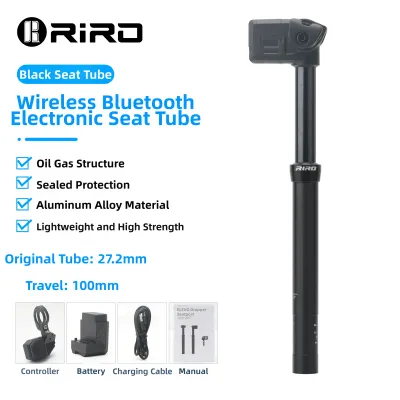
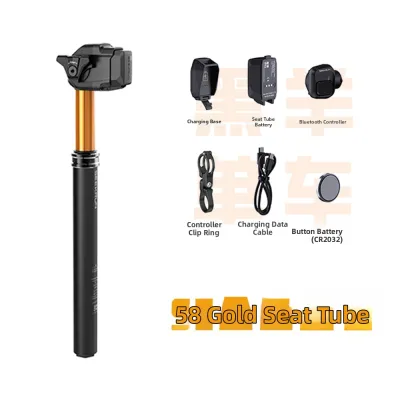
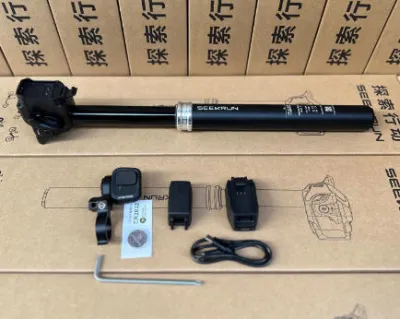
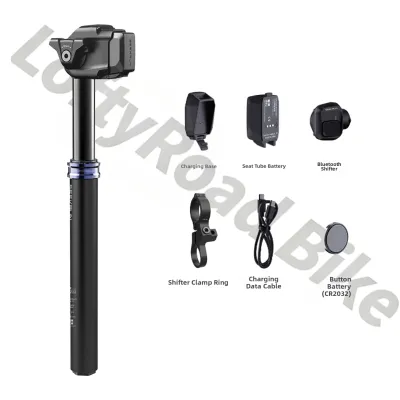
At the heart of the comparison lies how the signal to drop or raise your saddle travels from your handlebar remote to the seat post itself. Wireless systems utilize electronic signal transmission, typically operating on proprietary wireless protocols or Bluetooth. When you press the button on the handlebar remote, an electronic signal is sent to a receiver located on the seat post, which activates a small motor to open the internal hydraulic valve. This setup eliminates the need for physical cables running through or along your frame, resulting in a highly streamlined cockpit and removing any risk of cable-related friction.
Products mentioned in this guide
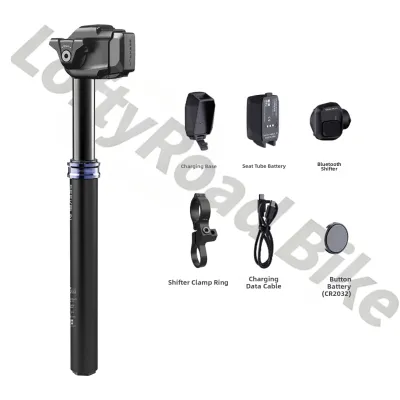
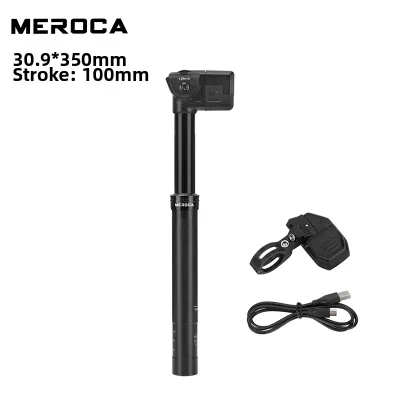
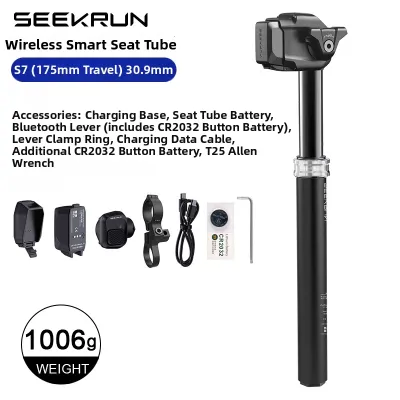
Prices are valid at publication and may change. Please refer to the product page for the latest price.
Cable-actuated systems rely on a traditional mechanical pull cable housed within a protective outer casing. When you push the mechanical lever, it physically pulls the inner steel cable, which mechanically opens the actuator valve at the bottom of the seat post. This system requires precise cable tension to function correctly. If the tension is too loose, the post may not drop; if it is too tight, the post might slip or activate spontaneously while you are riding.
Installation complexity varies dramatically between these two designs. Installing a wireless seat post is remarkably straightforward, often taking less than ten minutes. You simply clamp the post into your frame, mount the remote to your handlebars, and pair the two devices electronically. There are no hoses to route or cables to cut. For cable-actuated systems, installation can be a labor-intensive process, particularly on modern frames with internal routing. You must thread the cable housing through tight bends inside the frame, navigate around the bottom bracket, cut the inner cable to the exact length, and secure it to the actuator with precise tension. This process often requires specialized tools, such as high-quality cable cutters, and a fair amount of patience.
Reliability and Maintenance Requirements
Long-term upkeep is a critical factor when deciding which system fits your lifestyle. Wireless systems require a disciplined charging routine. The rechargeable battery on the seat post must be removed and charged periodically, while the remote control typically uses a common coin-cell battery that requires replacement every few months. Additionally, because these systems rely on electronic connections, you must keep the battery contacts clean and free of corrosion, especially when riding in wet or humid environments. Some manufacturers also release firmware updates that require a smartphone app to install, adding a digital layer to your routine bike maintenance.

Cable-actuated systems demand a different kind of vigilance. Over time, mechanical cables naturally stretch, and outer housings compress under load, which gradually degrades the responsiveness of your remote lever. You will need to make regular micro-adjustments using a barrel adjuster to maintain proper tension. In dusty or muddy conditions, grit can work its way inside the cable housing, causing friction and sticky lever action. Consequently, mechanical systems require periodic cable and housing replacements—typically once or twice a year depending on your riding frequency—to maintain a smooth, predictable feel.
Regardless of the actuation type, you must recognize the boundaries of home troubleshooting. While you can easily adjust cable tension or charge a battery at home, internal hydraulic cartridges are highly pressurized and complex. If your dropper post begins to sag when you sit on it, or if it fails to return to its full height after troubleshooting the basic actuation mechanism, stop immediately. Do not attempt to disassemble the internal cartridge yourself, as releasing pressurized oil or air can cause injury. Instead, consult the manufacturer’s service manual or take your bike to a qualified professional mechanic at your local bike shop.
Performance and Riding Experience
The tactile feel of operating each post significantly influences your riding experience. Wireless remotes utilize electronic micro-switches that require only a light, effortless touch to activate. This instantaneous, effortless engagement is highly consistent, requiring the same minimal finger pressure whether you are riding on flat pavement or bouncing down a technical rock garden. Because there is no physical cable resistance to overcome, riders with smaller hands or those experiencing hand fatigue during long rides often find electronic remotes highly comfortable.
Mechanical levers provide a more tactile, progressive feedback loop. Because you are physically pulling a cable against a spring-loaded valve, you can feel the exact point where the valve begins to open. This physical connection allows you to modulate the speed of the seat post’s return or drop by varying how far you push the lever. Some riders prefer this physical feedback, as it gives them a precise sense of the post’s internal state, whereas wireless systems are generally binary, fully opening the valve with a single button press.
Environmental resilience is another key performance consideration. When riding in tropical downpours or muddy trail conditions, your equipment is subjected to intense moisture and grit. Before purchasing, check the manufacturer’s specifications for water and dust ingress protection ratings, such as IPX7 certification, to ensure the electronics can withstand heavy rain and washing. Mechanical systems do not suffer from electronic failure in the wet, but they are highly susceptible to cable contamination. If you frequently ride in wet weather, a sealed cable system or a wireless post with robust weather sealing is essential to prevent mid-ride failures.
Cost and Value Considerations
The financial commitment of upgrading to a dropper post involves both the initial purchase price and the ongoing cost of ownership. Wireless seat posts command a significant premium. The integration of motors, wireless transmitters, rechargeable batteries, and specialized remotes makes these systems a substantial investment. You must also consider the potential long-term costs of replacing proprietary batteries or purchasing spare chargers if you lose the originals. For riders who own multiple bikes, however, the ease of swapping a single wireless post between frames can offset some of this initial premium.
Cable-actuated dropper posts offer exceptional value and are highly accessible for budget-conscious cyclists. Because they rely on simple mechanical components, the initial purchase price is much lower. Furthermore, replacement parts are incredibly inexpensive and widely available. A standard inner gear cable and a length of outer housing cost very little at any local bike shop, making routine maintenance highly affordable. If a cable snaps during a trip, finding a replacement is quick and easy, regardless of where you are riding.
When evaluating value, match your financial investment to your actual riding habits and the overall value of your bicycle. Installing a premium wireless post on an entry-level commuter bike may not be a practical allocation of your budget. Conversely, if you ride high-end mountain bikes multiple times a week and value a clean, rattle-free setup, the time saved on installation and cable maintenance can make the wireless premium highly justifiable.
How to Choose the Right Dropper Post for You
To finalize your decision, evaluate your specific riding profile against a conditional decision framework. A wireless seat post is highly suitable if you prioritize a clean cockpit aesthetic, dislike routing cables through tight frame ports, or plan to share one high-quality dropper post across multiple compatible bikes. It is also an excellent choice for riders who prefer simple battery charging routines over mechanical cable tension adjustments and housing replacements.
Choose a cable-actuated dropper post if you are working within a strict budget, prefer the tactile feedback of a mechanical lever, or frequently ride in remote areas where charging infrastructure is unavailable. Mechanical systems provide peace of mind for self-supported bike packing trips or long-distance adventures, as a broken cable can almost always be repaired with basic tools carried in a saddlebag.
Before making any purchase, you must verify several critical frame compatibility dimensions. First, measure your frame’s seat tube inner diameter to ensure it matches the post (common sizes include 30.9mm, 31.6mm, and 34.9mm). Second, determine the maximum insertion depth of your frame, as internal obstructions like pivot bolts or bottle cage bosses can limit how far the post can slide down. Finally, calculate your required travel length and ride height to ensure the post can extend fully to your correct pedaling position without exceeding your frame’s limits. Taking these measurements beforehand prevents compatibility issues and ensures a safe, comfortable ride.
Frequently Asked Questions (FAQ)
Can I convert a cable-actuated dropper to wireless?
Most standard cable-actuated dropper posts cannot be directly converted into wireless systems. This limitation exists because mechanical posts rely on a physical cable pull to actuate an internal valve at the very bottom of the post, whereas wireless systems require an integrated electronic motor and receiver built directly into the post’s head or base. While some aftermarket wireless conversion kits exist, they are highly specialized and strictly limited to specific, compatible post models from the same manufacturer. Before purchasing any aftermarket conversion kit, always check the official manufacturer’s compatibility charts and verify the exact part numbers to ensure the upgrade path is supported for your specific model.
What happens if a wireless dropper post battery dies mid-ride?
If your wireless dropper post battery dies while you are riding, the post will remain locked in whatever position it was in when the power was depleted. It will not automatically drop or fully extend. To prevent this situation, manufacturers design these systems with clear low-battery warning indicators, such as color-changing LED lights on the post or remote, which you should check before every ride. To manage this risk, make verifying battery charge levels a mandatory step in your pre-ride safety checklist. If your system supports hot-swapping, carrying a small, fully charged spare battery in your riding pack is an easy way to ensure you are never left with a slammed or fully extended saddle on a technical trail.
Community discussion
Share your experience or ask a question. Comments are reviewed before publication.