
Finding a swim cap that comfortably accommodates long, thick, or highly textured hair requires looking beyond standard sizing. Standard caps are molded for average hair volume, meaning they stretch tightly over buns or braids, leading to headaches, hair breakage, and caps that constantly slip off. To solve this, you need to seek out specialized “long hair” or “extra volume” swim caps. These designs feature modified geometries, such as extended back panels and ergonomic 3D molding, which provide the necessary depth without increasing the forehead circumference. By focusing on material properties and specific structural designs, you can secure a comfortable fit that protects your hair and stays in place throughout your swim.
Why Standard Swim Caps Cause Discomfort
Standard swim caps are typically designed as symmetrical domes, optimized for low-volume hair. When you pack long, thick, or braided hair into these shapes, the material stretches to its physical limits. This extreme stretching concentrates force along the perimeter of the cap, creating intense pressure points across your forehead, temples, and the nape of your neck. Over a short period, this localized pressure can restrict blood flow and cause tension headaches.
Furthermore, the physics of a highly stretched cap work against secure placement. As the material is pulled upward to cover a high-volume bun, the vertical tension overpowers the horizontal grip of the cap’s rim. This imbalance causes the edges to roll upward, exposing your hairline and eventually causing the cap to snap off during active swimming. The constant need to adjust a slipping cap disrupts your stroke rhythm and increases exposure to chlorinated water.
Products mentioned in this guide
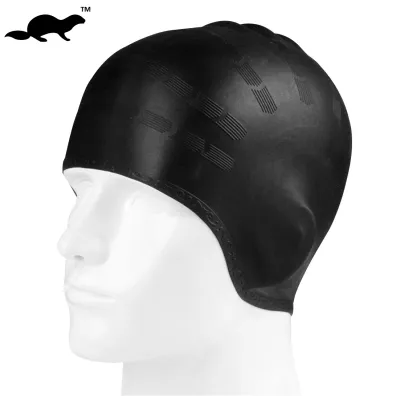
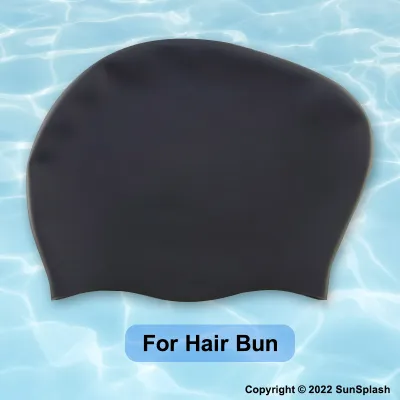
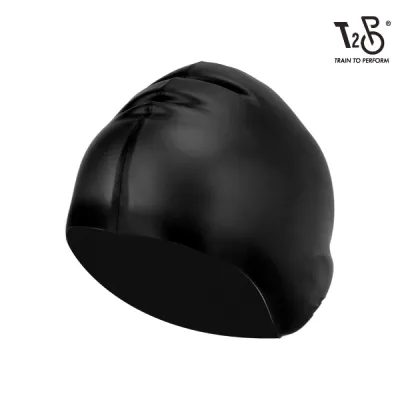
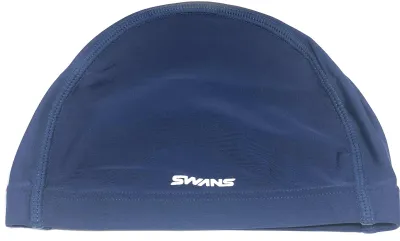
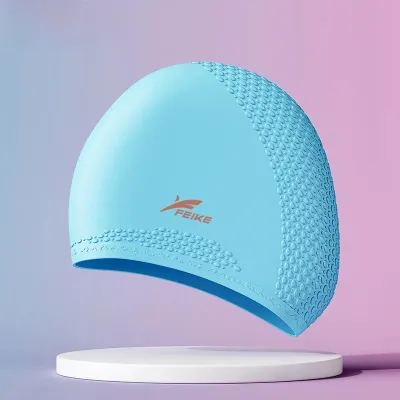
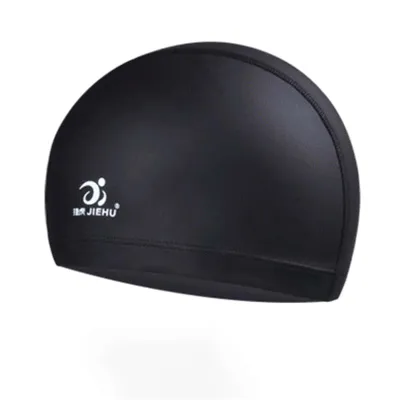
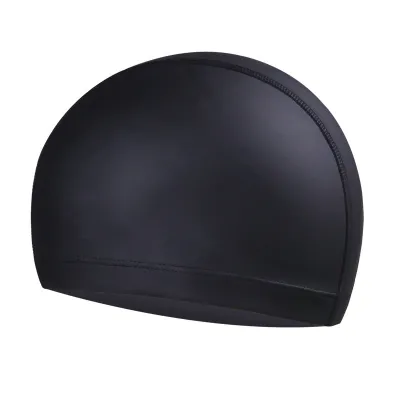
Prices are valid at publication and may change. Please refer to the product page for the latest price.
Simply purchasing a larger standard size often fails because standard sizing scales both depth and width proportionally. A standard large cap will have a wider opening, resulting in a loose, leaky fit around the forehead while still lacking the vertical depth needed for a high-volume hairstyle. True comfort requires a cap designed with a modified depth-to-width ratio, specifically engineered to house extra hair volume without compromising the seal.
Essential Design Features for High Hair Volume
When shopping for a high-volume swim cap, the most critical structural feature is an extended back panel or an extra-depth gusset. Unlike symmetrical caps, these specialized designs feature an asymmetrical bulge at the rear. This extra pocket is specifically engineered to house a bun, ponytail, or thick braids without pulling the front of the cap backward. This design keeps the tension balanced across your entire head, ensuring the front rim remains securely positioned on your forehead.

Another key advancement is 3D ergonomic molding. Traditional caps are manufactured as flat sheets of material joined by a central seam, forcing the cap to stretch unnaturally over the curves of your head. In contrast, 3D-molded caps are shaped during production to mimic the actual contours of a human head with hair. This pre-shaped design reduces stress on the material, allowing it to conform smoothly to your hair volume without creating tight folds or air pockets that increase drag.
Finally, pay close attention to the edge construction. High-quality caps designed for long hair often feature reinforced, thickened, or rolled edges. This design modification distributes the gripping force over a wider surface area, preventing the rim from digging painfully into your skin. A reinforced edge also resists the tendency to roll upward under tension, maintaining a reliable, watertight seal even when the cap is fully loaded.
Comparing Materials for Comfort and Durability
The material of your swim cap dictates how it stretches, how tightly it grips your hair, and how long it will last under regular exposure to pool chemicals. Silicone is widely considered the industry standard for high-volume caps due to its exceptional stretch recovery and durability. Silicone caps can stretch to more than double their original size and return to their shape without losing elasticity. The smooth surface of silicone also minimizes friction, allowing the cap to glide over your hair during application rather than pulling or snagging individual strands.
Latex is another common material, known for its thin profile and high level of flexibility. Latex caps are highly breathable, making them a popular choice for swimmers in warm climates or during intense workouts where heat retention is a concern. However, latex has a high-friction surface that can grab and pull dry hair, making application painful without the use of baby powder. Additionally, latex is significantly less durable than silicone, prone to tearing if nicked by a fingernail, and is unsuitable for anyone with a latex allergy.
For those prioritizing comfort above all else, Lycra and fabric blend caps offer an alternative. These caps are made from soft, woven textiles that slip on and off with ease, completely eliminating hair pulling and scalp pressure. However, fabric caps are highly water-permeable, meaning your hair will become completely saturated almost immediately upon entering the pool. They also lack thermal insulation, making them less suitable for cold-water swimming, though they remain excellent for casual pool use.
How to Evaluate Brands and Product Lines
To find a cap that truly accommodates your hair, you must look beyond generic marketing claims and analyze specific product specifications. Avoid buying caps labeled simply as “large” unless the manufacturer explicitly states the cap is designed for high hair volume. Instead, search for dedicated product lines carrying labels such as “Long Hair,” “Extra Volume,” “3D Fit,” or “Bubble Cap.” These designations indicate that the manufacturer has altered the mold geometry specifically to provide extra space at the crown or back of the head.
When browsing online marketplaces or specialty swim shops, check the manufacturer’s product specifications for physical dimensions. Look for measurements detailing the cap’s height (depth) and width when laid flat. A standard cap typically measures around 19 to 20 centimeters in height, whereas a dedicated long-hair cap will often measure 22 to 25 centimeters or more. Comparing these flat measurements gives you a concrete point of reference to verify if a product actually offers the extra volume you require.
User reviews are an invaluable resource for verifying real-world performance. When reading reviews, filter for feedback from swimmers who mention your specific hair type, whether that is thick curls, waist-length hair, or dreadlocks. Look for comments addressing forehead pressure, edge rolling, and whether the cap leaves deep red marks after a swim. If multiple reviewers with thick hair report that the cap slips off or causes headaches, it is a clear sign that the design may not offer sufficient depth.
Application and Care Tips for Long Hair
Properly preparing your hair before putting on a swim cap is essential to prevent breakage and ensure a secure fit. Avoid tying your hair into a high, tight bun, as this creates a hard, localized bulge that forces the cap to stretch unevenly. Instead, opt for a low, flat bun at the nape of your neck, or secure your hair in flat braids. Using soft, metal-free hair ties or scrunchies will also minimize friction and prevent the hair tie from cutting into your strands under the pressure of the cap.
To put the cap on without snagging, place both hands inside the cap with your palms facing inward and your fingers spread wide. Tilt your head forward, catch the front edge of the cap on your forehead, and pull the cap backward over your hair in one smooth motion. Once the cap is on, tuck any stray strands or braids gently under the rim. If you find the application difficult, wetting your hair with clean tap water beforehand can lubricate the strands, making it easier for the cap to slide into place.
Post-swim care is vital to preserve the elasticity and lifespan of your cap, especially in warm, humid climates. After every use, thoroughly rinse your cap inside and out with cold, clean tap water to remove chlorine, salt, and body oils. Avoid using harsh detergents or placing the cap in a washing machine. Gently pat the cap dry with a towel and allow it to air-dry completely in a shaded, well-ventilated area, keeping it away from direct sunlight and heat sources, which can cause silicone and latex to degrade.
Frequently Asked Questions (FAQ)
Do swim caps keep long hair completely dry?
No swim cap is designed to be completely watertight, and they will not keep your hair perfectly dry. The primary purposes of a swim cap are to reduce drag, keep hair out of your face, and protect your hair from prolonged, direct exposure to pool chemicals. When stretched over high-volume hair, micro-gaps naturally form around the ears and the nape of the neck, allowing water to seep in. To minimize wetness, you can wet your hair with clean tap water and apply a leave-in conditioner before putting on the cap, which saturates the hair shaft and limits the absorption of chlorinated pool water.
Should I buy a men's or unisex cap for more room?
Sizing up to a men’s or generic unisex cap is rarely an effective solution for long or thick hair. Men’s and unisex caps are generally designed with a larger overall circumference to accommodate larger skull sizes, but they do not feature the specialized vertical depth or rear pocketing required for high-volume hairstyles. Using a cap with a larger circumference will often result in a loose fit around your forehead and ears, leading to water rushing into the cap and causing it to slide off. A dedicated women’s long-hair cap is specifically engineered to maintain a snug, secure seal around the face while providing targeted extra volume where your hair is gathered.

Community discussion
Share your experience or ask a question. Comments are reviewed before publication.