
When comparing premium insulated sports bottles, determining which brand keeps drinks the coldest requires looking beyond marketing claims. Without independent laboratory test results, the true cold-retention performance of a YETI water bottle, Hydro Flask, or Stanley depends on verifying official manufacturer specifications, understanding how lid designs affect heat exchange, and matching the bottle’s physical traits to your specific workout environment. This guide helps you evaluate the structural and practical differences to make an informed choice for your active lifestyle.
In tropical climates like Singapore, where high humidity and temperatures regularly exceed 30°C, maintaining cold hydration during an outdoor workout is a common challenge. Whether you are running along the coast or training in a local gym, the rate of heat transfer into your bottle is influenced heavily by external conditions. Understanding the engineering behind double-wall vacuum insulation allows you to maximize your bottle’s performance, regardless of the brand you choose.
Verifying Cold-Retention Specifications Across Brands
To evaluate how well a bottle retains cold temperatures, you must first learn how to read and verify official manufacturer specifications. Brands typically advertise cold-retention capabilities in hours, but these numbers are generated under specific, controlled laboratory conditions. To make a fair comparison, check the manufacturer labels or official product websites to identify the exact testing parameters, such as the starting water temperature and the ambient room temperature used during their tests.
Products mentioned in this guide
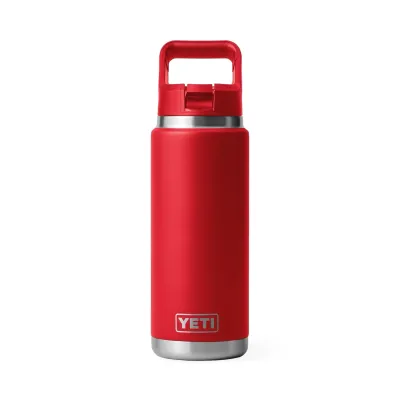
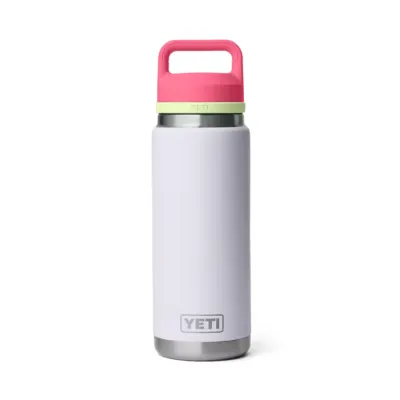
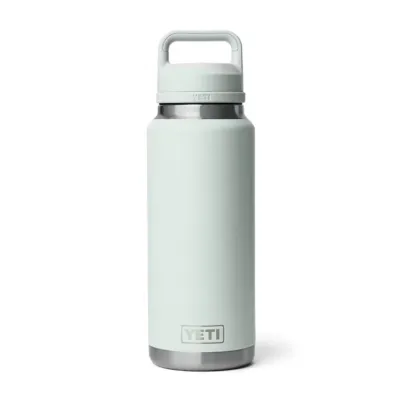
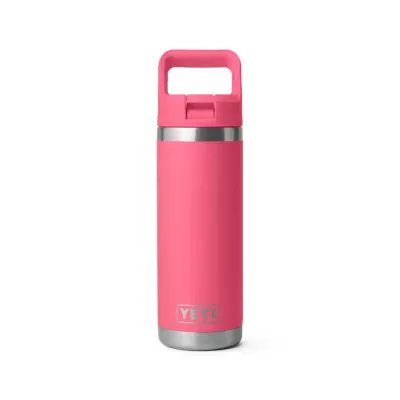
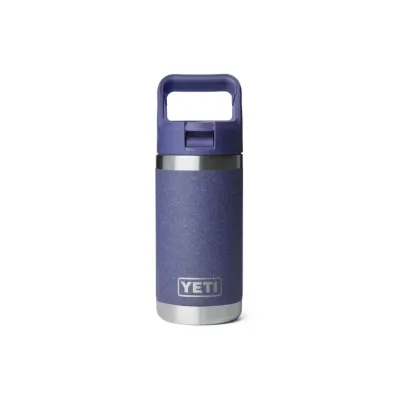
Prices are valid at publication and may change. Please refer to the product page for the latest price.
Another critical factor to verify is the ice-to-water ratio required to achieve the advertised cold-retention hours. Some manufacturers base their performance claims on a bottle filled entirely with solid ice, while others use a standard ratio, such as half ice and half water. If you plan to use your bottle for active sports where drinking quickly is essential, a bottle that requires being packed tightly with ice may not provide enough liquid volume for your hydration needs.
When comparing specifications, always compare bottles of similar capacities, such as a 24-ounce YETI against a 24-ounce Hydro Flask. Larger volumes of liquid naturally retain their temperature longer than smaller volumes because they have a lower surface-area-to-volume ratio. Comparing a 36-ounce bottle from one brand to an 18-ounce bottle from another will give you a misleading impression of their relative insulation efficiency.
Finally, remember that real-world performance will always vary from laboratory specifications. Direct exposure to intense sunlight, placing the bottle on hot concrete during a workout, or opening the lid frequently will accelerate heat transfer. To get the most accurate expectation of performance, treat the manufacturer’s stated hours as a maximum potential under ideal conditions rather than a guaranteed result during an intense outdoor training session.
Lid and Opening Designs That Impact Temperature and Usability
While the double-wall stainless steel body of the bottle prevents heat transfer through the sides, the lid is the primary point of thermal vulnerability. Because plastic and silicone lids do not offer the same level of vacuum insulation as the metal body, heat enters the bottle most rapidly through the top. Evaluating the lid mechanism is therefore crucial for both temperature maintenance and practical usability during exercise.

Screw-on caps generally provide a highly secure thermal seal because they create a tight, continuous barrier with minimal air gaps. These lids are excellent for long outdoor hikes or extended training sessions where you want to preserve ice for as long as possible. However, unscrewing a cap during a high-intensity workout can be inconvenient and may disrupt your exercise rhythm.
In contrast, straw lids and flip-top caps offer rapid, one-handed access, making them highly convenient for cycling, running, or gym workouts. The trade-off is that these lids often incorporate integrated air valves, gaskets, or straw pathways that can allow small amounts of ambient air to enter the bottle, slightly accelerating the warming process. If your priority is maximum cold retention over several hours, a solid screw cap is typically more effective than a straw lid.
The size of the bottle opening also plays a significant role in temperature management and usability. Wide-mouth bottles make it easy to load large ice cubes directly from a freezer, which is essential for pre-chilling the liquid. They are also much easier to clean thoroughly. Narrow-mouth bottles, while harder to fill with ice, restrict the volume of warm air that enters the bottle each time you take a drink, helping to preserve the internal temperature during frequent use.
Additionally, consider the exterior finish of the bottle. A high-quality powder-coated finish, common on many premium sports bottles, provides a textured, non-slip grip when your hands are sweaty. Standard polished stainless steel finishes can become slippery during intense workouts, increasing the risk of dropping the bottle and potentially damaging the internal vacuum seal.
Portability and Handling for Different Workout Environments
A sports bottle’s utility is not determined solely by how cold it keeps your water; it must also fit seamlessly into your workout routine. The physical weight, dimensions, and carrying options of the bottle can significantly impact your comfort and mobility during exercise.
Before purchasing, compare the empty weight of the bottles you are considering. Double-wall vacuum-insulated stainless steel is inherently heavier than single-wall plastic or aluminum. When filled with water, a large-capacity bottle can become quite heavy, which may cause fatigue if you have to carry it by hand during a long run or hike. For high-mobility activities, a lighter, more compact bottle is often preferable, even if it holds less liquid.
Carry handles and loops are essential features to evaluate based on how you transport your gear. Built-in, rigid handles—such as those found on many Stanley models—provide a secure, comfortable grip for carrying heavy, large-capacity bottles between gym stations. Flexible strap handles or integrated finger loops, common on Hydro Flask and YETI lids, allow for easy carrying with a couple of fingers or can be secured to a backpack using a carabiner.
You must also check the base dimensions of the bottle to ensure compatibility with your exercise equipment. If you plan to use the bottle while cycling, verify that the diameter fits standard bicycle bottle cages. For gym workouts, ensure the bottle fits into the cup holders of treadmills, stationary bikes, or elliptical machines. Many large-capacity bottles (over 32 ounces) have wide bases that will not fit into standard cup holders, requiring you to place them on the floor where they are more vulnerable to being knocked over.
Matching the Right Bottle to Your Exercise Routine
Choosing between YETI, Hydro Flask, and Stanley ultimately comes down to matching each brand’s specific design philosophy to your personal exercise habits and environment. Each brand has developed a distinct profile that excels in different scenarios.
A YETI water bottle is highly suited for individuals who prioritize rugged durability and robust construction. If your workouts involve outdoor cross-training, camping, kayaking, or environments where your gear is subjected to rough handling, YETI’s heavy-duty build and impact-resistant finishes are major advantages. Their lid designs, such as the Chug Cap, offer a balance of quick drinking and secure sealing, making them excellent for demanding outdoor activities.
Hydro Flask is often selected by those who value customization, lightweight handling, and a wide variety of sport-specific accessories. If your routine consists of gym sessions, yoga classes, or trail running, Hydro Flask’s lighter weight and extensive selection of interchangeable lids—including specialized sport caps and straw lids—allow you to tailor the bottle to your exact needs. Their vibrant powder-coated finishes also offer a secure grip during sweaty workouts.
Stanley bottles are highly suitable if you prefer large-capacity hydration with integrated carrying convenience. If your workout routine involves long, stationary sessions—such as weightlifting at the gym—or if you want a bottle that transitions smoothly from the gym floor to an office desk, Stanley’s classic designs with sturdy, built-in handles are highly practical. They allow you to carry a significant volume of cold water without needing constant refills.
Before making your final decision, verify whether your specific workout setup requires specialized third-party accessories. For example, if you use a specific brand of tactical backpack or a custom bicycle cage, measure the bottle’s dimensions carefully to ensure a proper fit. No single brand is universally ideal; the most suitable choice is the one that aligns with your physical handling preferences and hydration volume requirements.
Maintaining the Vacuum Seal and Exterior Finish
To ensure your insulated bottle continues to keep your drinks cold for years to come, you must maintain the integrity of its double-wall vacuum seal and protective exterior finish. Proper care and cleaning are essential to prevent damage that could permanently compromise the bottle’s thermal performance.
Always follow the manufacturer’s specific cleaning instructions for your exact model. While some modern insulated bottles are labeled as dishwasher safe, hand-washing is generally recommended to prolong the life of the vacuum seal and the exterior powder coating. The high heat and harsh detergents of a dishwasher cycle can sometimes degrade the seals or cause the exterior paint to peel over time.
Avoid exposing your bottle to extreme temperature shocks. For example, do not place a freezing cold bottle directly into boiling water, and never place the bottle in a freezer. Freezing water expands, which can easily deform the stainless steel walls and rupture the vacuum seal, rendering the insulation useless. If you want ice-cold water, fill the bottle with ice cubes rather than freezing the bottle itself.
Thoroughly clean all lid gaskets, straw components, and small crevices regularly. This is especially important if you use your bottle for sports drinks, electrolyte mixes, or protein shakes, as sugar residues can quickly lead to mold and bacteria growth. Remove silicone gaskets periodically to clean underneath them, and allow all parts to dry completely before reassembling the bottle to prevent musty odors.
Frequently Asked Questions (FAQ)
Can I put boiling water in these bottles to pre-heat them before a cold workout?
You should avoid putting boiling water into these bottles unless the manufacturer explicitly states it is safe for your specific model. Rapid temperature changes can cause thermal shock, which may damage the vacuum seal. Additionally, pouring boiling water into a bottle designed primarily for cold drinks can create a burn hazard when opening or drinking from the lid.
Do YETI, Hydro Flask, or Stanley bottles sweat when filled with ice water?
Under normal operating conditions, a properly functioning double-wall vacuum-insulated bottle should not sweat. The vacuum layer prevents heat from transferring between the cold liquid inside and the warm air outside, keeping the exterior of the bottle at ambient temperature. If you notice condensation forming on the outside of the metal body, it is a strong indication that the vacuum seal has been compromised and the bottle is no longer insulating effectively.

Community discussion
Share your experience or ask a question. Comments are reviewed before publication.