
When exercising in Singapore’s intense heat and humidity, keeping your hydration ice-cold is essential for maintaining performance and comfort. While Yeti, Hydro Flask, and Thermos all utilize double-wall vacuum insulation to block heat transfer, no single brand holds a universal crown for cold retention under every workout condition. The actual temperature of your drink during a run, gym session, or outdoor workout depends heavily on the lid style you choose, how often you open the bottle, and how you prepare it before stepping outside. Choosing the right sports water bottle requires looking past marketing claims to evaluate how each brand’s design, weight, and durability align with your specific exercise routine.
Key Factors That Determine Cold Retention During Workouts
To understand how these bottles perform during a strenuous workout, it helps to look at the physics of thermal insulation. Double-wall vacuum insulation works by removing the air between two layers of stainless steel, creating a vacuum that prevents heat from transferring via conduction or radiation. However, this barrier has limits when the bottle is exposed to direct tropical sunlight or placed on hot outdoor surfaces like running tracks or concrete benches, which can warm the outer steel shell.
The lid is the primary point of thermal vulnerability for any insulated bottle. Every time you open the cap to take a sip, warm ambient air enters the container, and cold air escapes. Lids with built-in straws or quick-access chug caps generally offer less insulation than solid, heavy-duty screw-top lids because they have thinner plastic barriers and more potential points for minor air leakage.
Products mentioned in this guide
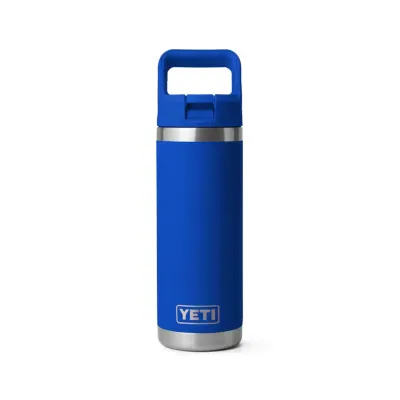
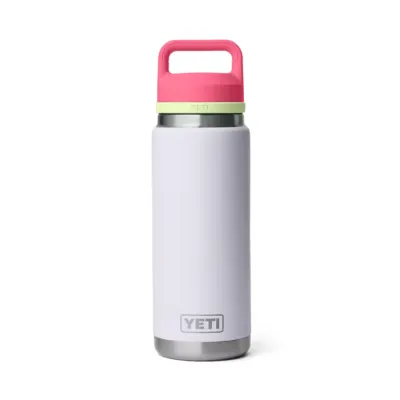
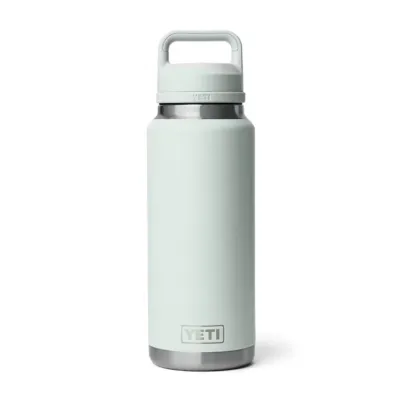
Prices are valid at publication and may change. Please refer to the product page for the latest price.
Your preparation routine also plays a massive role in how long your water stays cold. Starting with refrigerated water and a high ice-to-water ratio ensures the internal temperature remains low from the start. Pre-chilling the bottle by filling it with ice water for a few minutes before emptying it and refilling it for your workout can also significantly improve thermal performance.
Comparing Brand Approaches to Insulation and Hydration
Yeti, Hydro Flask, and Thermos each approach sports hydration with distinct design philosophies, balancing thermal efficiency against weight and usability. When selecting a bottle for active use, you must weigh the physical effort of carrying a heavier container against the convenience of quick-access lids and robust construction.

Yeti: Durability and Secure Seals
Yeti bottles are widely recognized for their exceptionally rugged construction, featuring thick-gauge stainless steel designed to withstand drops on gravel or gym floors. This heavy-duty build makes them highly durable, though it also makes them noticeably heavier than many competitors even before you fill them with water. Their sports-oriented lids, such as the chug cap or straw cap, feature robust rubber gaskets and secure locking mechanisms to prevent leaks in your gym bag. While these thick, secure seals help maintain a tight thermal barrier, the overall weight and bulk may be a trade-off for runners or cyclists who prioritize a lightweight gear setup.
Hydro Flask: Lightweight Build and Flex Caps
Hydro Flask focuses on a more streamlined, lightweight design that appeals to hikers, runners, and gym-goers who want to minimize carrying weight. Their bottles feature a signature powder-coat exterior finish that provides an excellent, sweat-free grip even when your hands are wet from exercise or high humidity. The brand’s flexible strap caps and straw lids are designed for quick, one-handed sips during active movement. While these lightweight lids are highly convenient for fast-paced workouts, they may offer slightly less insulation than heavier, solid screw caps, making it important to verify your specific lid choice based on your thermal needs.
Thermos: Heritage Vacuum Tech and Spout Designs
Thermos leverages decades of vacuum insulation experience to deliver highly efficient thermal performance in lightweight, cost-effective designs. Their sports bottles often feature integrated carry loops and push-button, spring-loaded spout lids that allow for rapid, one-handed operation during runs or cycling sessions. These lids are engineered to seal tightly when closed, minimizing heat exchange during high-intensity workouts. However, the lighter materials and complex lid mechanisms may require more careful handling and cleaning compared to simpler, heavy-duty utility bottles.
Managing Bottle Performance in Singapore's Tropical Heat
Exercising in Singapore means dealing with consistent ambient temperatures around 30°C and high relative humidity, which can rapidly challenge any insulated bottle. Direct ultraviolet radiation from the sun heats up the exterior metal or powder coating of your bottle, slowly transferring warmth across the vacuum seal over extended periods. To maximize cold retention, try to keep your bottle shaded under a towel, inside a sports bag, or in the shadow of gym equipment whenever possible.
High humidity can also cause condensation to form on non-insulated parts of the bottle, such as plastic lids or exposed metal collars. While the vacuum-insulated body should remain dry, a sweating lid can drip moisture onto your gym clothes or inside your bag. Using a protective silicone boot or keeping the bottle in an upright pocket can help manage this moisture and protect your belongings.
To get the absolute best performance during outdoor workouts, always pre-chill your bottle with ice water for five minutes before filling it. Fill at least one-third of the bottle with ice cubes, as larger ice chunks melt slower than crushed ice, keeping your drinking water near freezing temperature for the duration of your exercise session.
How to Verify Cold Retention Claims Before You Buy
When shopping for a sports water bottle, it is important to look past bold marketing claims of “all-day cold” and verify the specifications yourself. Check the manufacturer’s product documentation for the specific testing conditions used to determine their cold retention hours, as these tests are often conducted in air-conditioned laboratories rather than real-world tropical heat.
Always verify lid compatibility and understand how swapping caps affects thermal performance. A bottle rated for cold retention with a solid, insulated flat cap will perform differently if you swap it for a straw lid or a sports spout with thinner plastic walls. Ensure the lid you plan to use for workouts is rated for cold liquids and features a reliable, replaceable silicone gasket.
Finally, check the manufacturer’s warranty terms regarding vacuum seal failures. A compromised vacuum seal is the most common cause of sudden insulation loss, and reputable brands typically offer warranties that cover these manufacturing defects, ensuring your investment remains protected.
Decision Framework: Which Bottle Fits Your Workout Routine?
Choosing the right bottle depends on how you exercise and what features you prioritize during your workouts.
Choose Yeti if you prioritize extreme durability, dishwasher-safe convenience, and a bottle that can survive rough outdoor environments or heavy gym use without denting, and you do not mind carrying extra weight.
Choose Hydro Flask if you want a lightweight, comfortable bottle with a sweat-free grip for running or hiking, and you prefer a wide variety of color options and flexible carrying straps.
Choose Thermos if you need a budget-friendly, highly efficient bottle with a quick, one-handed push-button lid for cycling or fast-paced workouts where easy access is your top priority.
Verify first if your gym bag pockets, car cup holders, or bicycle bottle cages have specific size constraints, as wide-mouth insulated bottles often require specialized holders or larger storage spaces.
Frequently Asked Questions (FAQ)
Does the color of the water bottle affect how cold the drink stays?
While dark colors absorb more solar radiation than light or metallic finishes when exposed to direct sunlight, the impact on your drink’s temperature is minimal. The double-wall vacuum layer effectively blocks this external heat from transferring to the inner chamber. You should choose your bottle color based on visibility, personal style, or grip texture rather than thermal performance.
Can I put these insulated sports bottles in the dishwasher?
You must check the specific care instructions for your bottle model, as dishwasher safety varies significantly. While many modern Yeti bottles and specific powder-coated Hydro Flasks are labeled as dishwasher safe, high-heat dishwasher cycles can degrade rubber gaskets, fade exterior finishes, or potentially compromise the vacuum seal over time. Hand washing with warm, soapy water is generally the safest way to preserve your bottle’s insulation performance.

Community discussion
Share your experience or ask a question. Comments are reviewed before publication.