
The Yonex Astrox 100ZZ is engineered for players seeking maximum power and surgical precision, combining an extra-stiff shaft with a highly head-heavy balance. This specific configuration is designed to maximize swing momentum and energy transfer, making it a formidable tool for offensive play. However, unlocking the performance of this racket requires advanced technique, rapid swing speeds, and excellent physical conditioning. Without these foundational elements, the very specifications that make this racket powerful can lead to early fatigue and reduced control on the court.
What a Head-Heavy Balance Means for Your Swing
A head-heavy balance point means a significant portion of the racket’s weight is concentrated toward the top of the frame. This distribution shifts the center of gravity further from your hand, which directly increases the racket’s dynamic swing weight. When you initiate a stroke, this extra mass at the head generates greater angular momentum, allowing you to channel more kinetic energy into the shuttlecock for explosive smashes and deep clears.
However, this increased momentum comes with a distinct physical trade-off. While a head-heavy frame assists in generating downward force, it also increases the rotational inertia you must overcome to change the racket’s direction. In fast-paced defensive exchanges, such as defending rapid smashes or engaging in flat drives at the net, a head-heavy racket can feel sluggish. Your reaction times may feel slightly delayed because your wrist and forearm must work harder to maneuver the heavier head into position.
Products mentioned in this guide
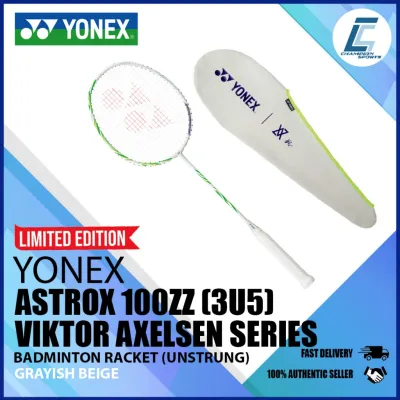
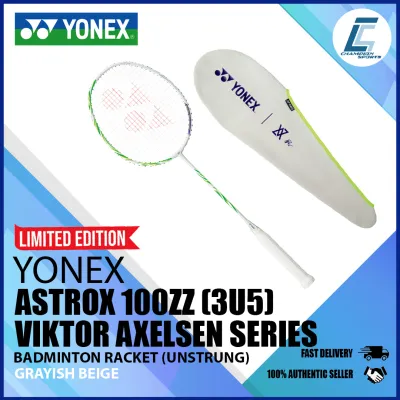
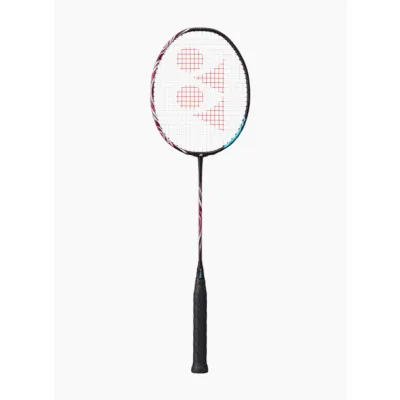
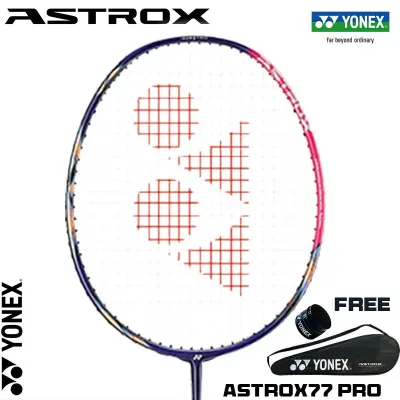
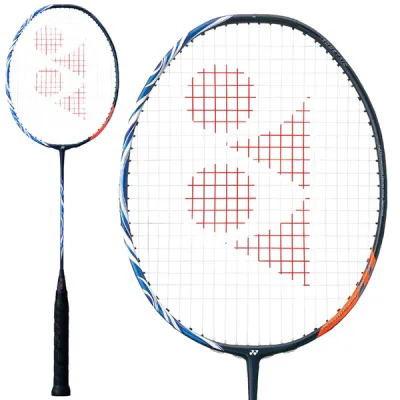
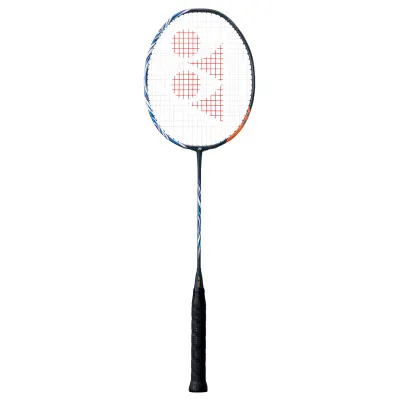

Prices are valid at publication and may change. Please refer to the product page for the latest price.
To physically evaluate this balance point before playing, you can perform a simple static test. Rest the shaft of the racket on your index finger to find the point where it balances horizontally; on a head-heavy racket, this balance point sits closer to the frame than on an even-balance model. When dry swinging the racket in a controlled space, pay close attention to the recovery phase. A highly head-heavy racket requires a conscious, muscular effort to stop the follow-through and return to a ready stance, highlighting the physical demands of consecutive quick swings.
How a Stiff Shaft Affects Power and Control
The stiffness of a racket shaft dictates how much it bends during a swing and how quickly it snaps back into its original shape upon impact. An extra-stiff shaft, like the one featured on the Astrox 100ZZ, is designed to minimize bending during the acceleration phase of your stroke. This lack of flex ensures that the racket face remains highly stable and aligned with your hand’s movement, offering exceptional directional control and precision for tight net shots, slices, and targeted smashes.

To unlock the power potential of a stiff shaft, you must possess high swing speed and precise timing. When a player with rapid acceleration swings a stiff racket, they generate enough force to momentarily flex the shaft, storing elastic potential energy that releases rapidly at the point of contact. If your swing speed is too slow or your timing is off, the shaft will not bend sufficiently, resulting in a stiff, dead feel where very little energy is transferred to the shuttlecock.
In contrast to flexible shafts, which act like a whip to assist players with slower swings, a stiff shaft is highly unforgiving. During deep clears or defensive lifts, a flexible shaft bends easily to provide effortless depth, whereas a stiff shaft requires you to generate almost all the power through your own physical execution. When executing drop shots and smashes, the stiff shaft provides immediate, crisp feedback to your hand, allowing you to feel the exact point of contact, but it demands consistent, clean hitting to avoid weak, short returns.
Is the Astrox 100ZZ Right for Your Playing Style?
Because of its demanding specifications, this racket is highly specialized and best suited for specific player profiles. Aggressive singles players who rely on sustained baseline rallies, powerful smashes, and precise drop shots to wear down opponents will find the head-heavy, stiff setup highly rewarding. Similarly, rear-court doubles specialists who prioritize heavy attacking play from the back of the court can leverage the increased swing weight to maintain offensive pressure.
Before choosing this setup, you must carefully consider the physical toll it takes during extended play. Operating a head-heavy, stiff racket over multiple sets requires significant muscular endurance in your shoulder, forearm, and wrist. As fatigue sets in, your swing speed naturally decreases, making it increasingly difficult to flex the stiff shaft and maneuver the heavy head, which can quickly degrade your shot quality and leave you vulnerable during fast defensive rallies.
To determine if this specification profile matches your current capabilities, run through a quick self-assessment. Ask yourself if you can consistently generate deep clears from baseline to baseline using only a short, compact wrist action, and verify whether you have a history of tennis elbow, wrist strain, or shoulder issues. If you struggle with deep clears or frequently experience joint discomfort after playing, a more flexible or even-balanced racket will likely serve your game better while protecting your body from injury.
Essential Specs to Verify Before You Buy
When preparing to purchase, you must pay close attention to the specific weight and grip classifications, as these variations dramatically alter how the racket performs. The racket is typically available in different weight categories, most commonly 3U (averaging around 85 to 89 grams) and 4U (averaging around 80 to 84 grams). Because the racket is head-heavy, even a minor difference of a few grams between a 3U and a 4U model will feel highly pronounced during a fast match, with the 3U offering maximum smash power and the 4U providing a slightly more manageable swing speed.
To ensure you are purchasing an authentic product that matches your desired specifications, inspect the laser-engraved codes on the racket cone and shaft. The cone should display the weight and grip size parameters (such as 4UG5) alongside the manufacturer’s official security markings. Verifying these details on the official Yonex website or through authorized local retailers in Singapore helps prevent purchasing counterfeit goods that do not feature the engineered carbon materials or precise balance of the genuine model.
Additionally, you must evaluate the manufacturer’s recommended string tension limits, which are typically printed on the shaft or cone. Exceeding these recommended limits can place excessive stress on the high-modulus carbon frame, increasing the risk of structural failure during a mishit. Ensure your preferred string tension aligns with these official guidelines, and select a grip size that allows your fingers to wrap comfortably around the handle with a small gap between your fingertips and palm for optimal control.
Frequently Asked Questions (FAQ)
Is the Astrox 100ZZ Suitable for Beginners?
No, this racket is generally not recommended for beginners due to its highly demanding physical and technical requirements. Novice players typically have not yet developed the refined wrist action, forearm strength, and precise timing needed to bend an extra-stiff shaft. Attempting to play with this setup can lead to poor habits, such as using excessive shoulder force to compensate for the lack of shaft flex, which significantly increases the risk of acute joint strain or chronic injuries like epicondylitis. Beginners should focus on mastering clean hitting techniques and footwork using an even-balanced, medium-flex racket before transitioning to advanced, attack-oriented frames.
How Does It Compare to Other Head-Heavy Rackets?
To compare this racket with other head-heavy models, you should look directly at the official manufacturer specification sheets to analyze the precise balance point in millimeters and the relative shaft stiffness ratings. Different head-heavy rackets utilize distinct frame shapes, aerodynamic profiles, and materials that alter how the weight feels during a dynamic swing. The most reliable way to evaluate these differences is to test the rackets side-by-side on a court, comparing how quickly each frame recovers after a smash, how much vibration is transmitted to your hand, and how maneuverable they feel during rapid defensive drives.
Community discussion
Share your experience or ask a question. Comments are reviewed before publication.