
Choosing the right badminton racket is a critical decision that directly shapes your performance, comfort, and progression on the court. Yonex, a leading name in badminton, organizes its high-performance rackets into three distinct flagship series: Astrox, Arcsaber, and Nanoflare. Each series is engineered around a specific design philosophy to complement a particular style of play. Finding your ideal match requires aligning your personal playing style—whether you are an aggressive attacker, a tactical playmaker, or a fast-paced defensive specialist—with the unique balance, weight distribution, and frame characteristics of these series.
To make the right choice, you must look beyond the aesthetic designs and focus on how each racket behaves during a swing. The Astrox series features a head-heavy balance designed to maximize downward power and momentum for steep, continuous smashes. The Arcsaber series utilizes an even-balance construction to prioritize shuttle hold, precise placement, and ultimate control during long, tactical rallies. The Nanoflare series is built with a head-light balance and aerodynamic frames to deliver rapid swing speeds, quick defensive reactions, and explosive drives. By understanding these core differences and matching them with your physical capabilities and skill level, you can select a racket that enhances your natural strengths while protecting you from unnecessary fatigue or strain.
The Core Yonex Series: Power, Control, and Speed
The fundamental difference between the three primary Yonex racket families lies in their weight distribution, which determines how the racket feels during both slow-paced net play and high-speed exchanges. This distribution is categorized as head-heavy, even-balance, or head-light. Each configuration alters the physics of your swing, affecting how much effort is required to maneuver the racket and how much momentum is transferred to the shuttlecock upon impact.
Products mentioned in this guide
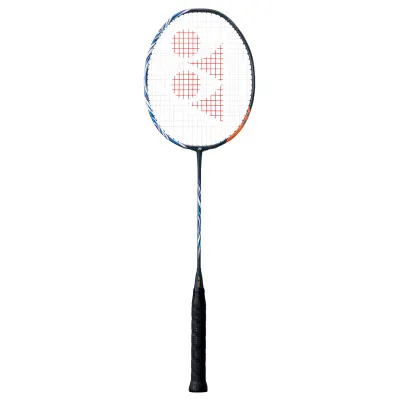
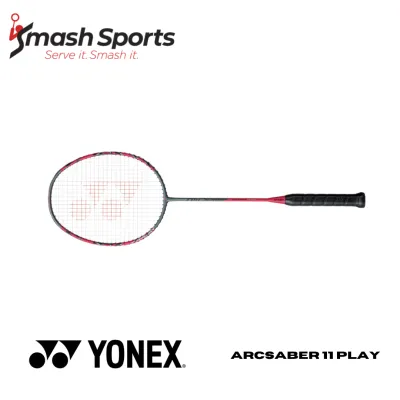
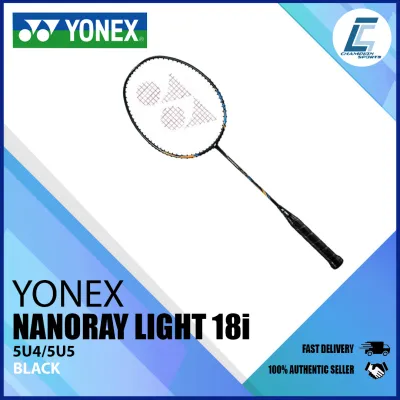
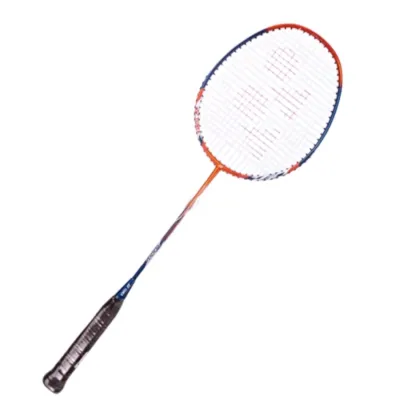
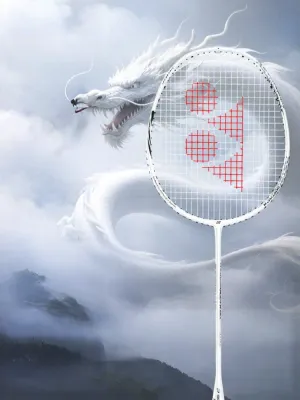
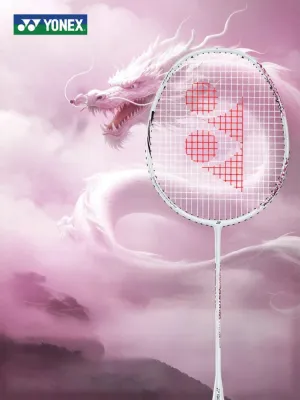
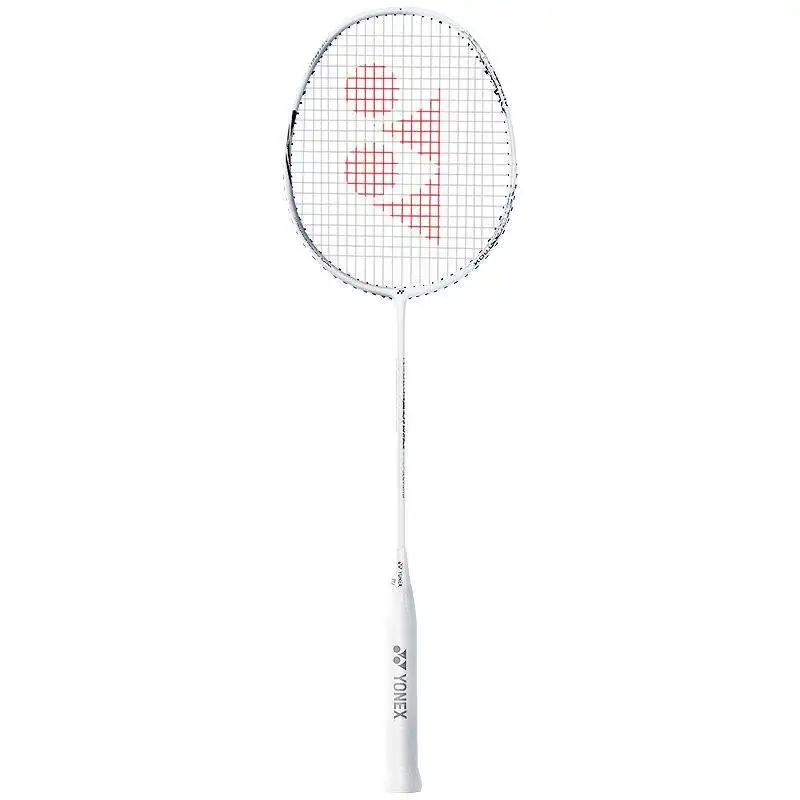
Prices are valid at publication and may change. Please refer to the product page for the latest price.
The Astrox series is engineered specifically for players who dominate from the back court and rely on aggressive, attacking play. These rackets feature a head-heavy balance, meaning a larger portion of the overall weight is concentrated toward the top of the frame. This design utilizes a specialized weight distribution concept that places weight across the grip end, the joint, and the top of the frame. When you swing, this distribution creates a powerful centrifugal force, allowing you to generate steeper angles and greater power on your smashes. The primary trade-off is that head-heavy rackets require more physical strength to maneuver quickly, making them more demanding during fast, defensive flat exchanges.
The Arcsaber series is designed for the all-round, tactical player who values precision, consistency, and control above raw power. Arcsaber rackets feature an even-balance design, where the weight is distributed uniformly throughout the frame and shaft. This balance provides a highly predictable and stable feel, allowing for precise shuttle placement, delicate net play, and controlled drop shots. The frame of an Arcsaber racket is engineered to flex slightly more at the point of impact, holding the shuttle on the string bed for a fraction of a second longer. This increased dwell time gives you superior feedback and control over the direction and depth of your shots, making it the ideal choice for building rallies and exploiting gaps in your opponent’s defense.
The Nanoflare series is built for speed, rapid maneuverability, and quick defensive reactions. These rackets feature a head-light balance, where the weight is concentrated closer to the handle, making the head feel exceptionally light. Combined with highly aerodynamic frame profiles, Nanoflare rackets cut through the air with minimal resistance, allowing for incredibly fast swing speeds. This makes them highly effective for front-court play, quick interceptions, flat drives, and defending against powerful smashes. While head-light rackets require more physical effort from the player to generate deep, back-court clears and heavy smashes, they excel in fast-paced doubles matches where reaction time and quick recovery are paramount.
Matching Racket Specifications to Your Skill Level
Selecting the right racket series is only the first step; you must also configure the specific physical properties of the racket to match your current skill level and physical strength. Even the most advanced racket can hinder your progress or cause physical discomfort if the weight and shaft flexibility do not align with your technique. Understanding the technical specifications printed on the racket shaft is essential for making an informed decision.

Weight classes in badminton rackets are designated by the letter “U,” with a lower number indicating a heavier racket. For example, a 3U racket is heavier than a 4U racket. Heavier rackets provide more mass behind the shuttle, which translates to greater momentum and power in your shots, provided you have the strength to swing them quickly. However, playing with a heavier racket over a long match can lead to arm fatigue and shoulder strain. Lighter rackets offer superior maneuverability and are much easier on the joints, making them popular for doubles players and developing athletes who need to react quickly.
Shaft flexibility is another critical factor that dictates how power is transferred from your body to the shuttle. Racket shafts range from flexible to medium, stiff, and extra stiff. A flexible shaft bends easily during the swing, acting like a spring that stores and releases energy to help generate power with minimal effort. This is highly beneficial for beginners and intermediate players who are still developing their wrist snap and hitting technique. Conversely, a stiff shaft does not bend easily and requires a highly developed, rapid wrist snap and precise timing to generate power. For advanced players who possess this technique, a stiff shaft offers unmatched control, direct feedback, and instantaneous power transfer.
Aligning these specifications with your skill level is crucial for both performance and injury prevention. Developing players should generally opt for lighter rackets (such as 4U) with flexible or medium shafts. This combination is highly forgiving, helps in clearing the shuttle from baseline to baseline, and minimizes the risk of injury. As your technique improves, your swing speed increases, and your wrist muscles strengthen, you can gradually transition toward stiffer and heavier rackets. Advanced players often choose stiffer, heavier options because they have the physical conditioning and refined technique required to unlock the maximum power and precision these rackets offer.
Decision Framework: Choosing Your Ideal Yonex Racket
To finalize your selection, use a structured decision framework that matches your primary playing style and physical preferences to the correct Yonex series and specifications. Rather than choosing a racket based solely on popularity, evaluate your typical role on the court and the specific shots you rely on most frequently.
Choose a racket from the Astrox series if your game relies on back-court attacks and you have the physical strength to maneuver head-heavy rackets. If you are a singles player who loves to dictate rallies with heavy smashes, or a doubles player who dominates from the rear court, the head-heavy balance of the Astrox will complement your style. For most intermediate players, a 4U weight class within the Astrox series offers a practical balance of attacking power and manageable maneuverability, while advanced players may opt for the heavier 3U models.
Choose a racket from the Arcsaber series if you play a tactical, rally-building game and prefer consistent shuttle feedback for precise net play and drops. This series is highly versatile and suits both singles and doubles players who value placement over raw power. A 4U Arcsaber racket with a medium or stiff shaft is an excellent starting point for intermediate players looking for a reliable, highly controllable racket that performs consistently in all areas of the court.
Choose a racket from the Nanoflare series if you dominate the front court, rely on quick defensive reactions, and prefer fast maneuverability. If you are a doubles specialist who plays primarily at the net, excels at flat drives, or relies on quick defensive blocks to turn rallies around, the head-light balance of the Nanoflare is ideal. To maximize this speed advantage, a 4U or even a lighter 5U Nanoflare racket is highly recommended, paired with a shaft flexibility that matches your swing speed.
Verify first: Check the racket’s specific weight (U) and grip size (G) on the product label or manufacturer specifications to ensure it matches your physical comfort and hand size. Check the racket cone or shaft for markings like 4U5, where “5” represents the grip circumference. Ensure the grip size fits comfortably in your hand; a grip that is too small can cause you to squeeze too tightly, while a grip that is too large can restrict your wrist movement. Additionally, verify the recommended string tension range printed on the frame to ensure it aligns with your playing preferences and the capabilities of your local stringer.
Frequently Asked Questions (FAQ)
How does string tension affect the feel of different Yonex series?
String tension plays a significant role in how any Yonex racket performs, regardless of its series. Higher string tensions (typically above 26 lbs) tighten the string bed, reducing the dwell time of the shuttle and offering a highly crisp, responsive feel. This provides advanced players with exceptional control and precise placement, but it also shrinks the sweet spot and requires a very fast swing speed to generate power. Lower string tensions (typically between 20 to 24 lbs) allow the string bed to stretch more upon impact, creating a trampoline effect that generates easier power and offers a larger, more forgiving sweet spot for developing players. When stringing your racket, always check the manufacturer’s recommended tension range printed on the shaft or cone. Exceeding this recommended limit can warp or crack the frame, especially on head-light or highly aerodynamic models, and will void the manufacturer’s warranty.
Can I adjust the balance of a Yonex racket after buying it?
Yes, you can make minor, reversible adjustments to the balance of your Yonex racket to fine-tune its feel to your playing style. If you have an even-balanced or head-light racket and want to add a bit more momentum to your smashes, you can apply specialized lead or tungsten tape to the top of the racket frame, making it slightly more head-heavy. Conversely, if you want to make a head-heavy racket feel more maneuverable, you can wrap a thicker, heavier replacement grip or add overgrips to the handle, which shifts the balance point closer to your hand. When making these adjustments, apply modifications gradually and test the racket on the court to monitor how your wrist and shoulder react. If you are unsure about how weight modifications might affect frame stress or your physical comfort, stop and consult a professional racket technician or stringer for guidance.
Community discussion
Share your experience or ask a question. Comments are reviewed before publication.