
When choosing a sports bottle to keep your drinks cold during intense workouts, insulation performance depends heavily on construction quality, lid design, and capacity rather than brand name alone. While Adidas offers stylish, functional hydration gear that integrates seamlessly into an active lifestyle, comparing its insulation capabilities with other dedicated sports bottle brands requires looking closely at the underlying thermal engineering. Understanding how vacuum insulation, lid seals, and materials interact will help you determine whether an Adidas bottle or an alternative option is best suited to keep your water ice-cold through your entire training session.
To make an informed decision, you must look beyond brand logos and evaluate the physical specifications of each bottle. A bottle that performs exceptionally well in an air-conditioned fitness center might struggle to keep ice frozen during an outdoor boot camp in tropical heat. By analyzing the core standards of thermal retention, you can identify which features genuinely preserve temperature and which are simply aesthetic additions.
Core Insulation Standards for Workout Bottles
To understand how different sports bottles perform under the heat of a workout, you must first look at the physics of temperature retention. Double-wall vacuum insulation is the gold standard for keeping liquids cold. This construction features an inner and outer stainless steel wall with the air sucked out of the space between them. Because a vacuum contains virtually no air molecules, it prevents heat transfer by conduction or convection, keeping external heat from warming your beverage.
Products mentioned in this guide
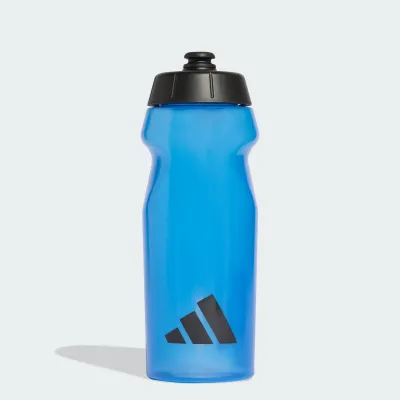
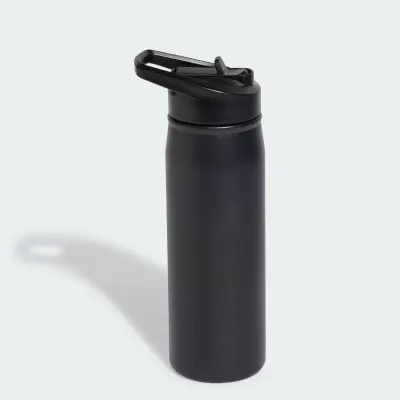
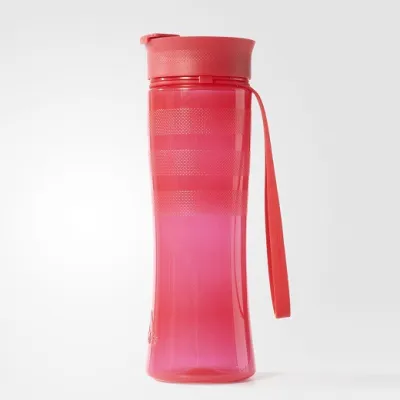
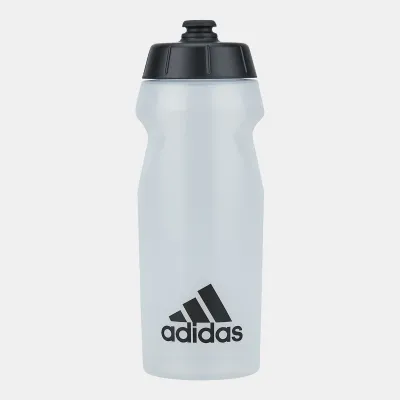
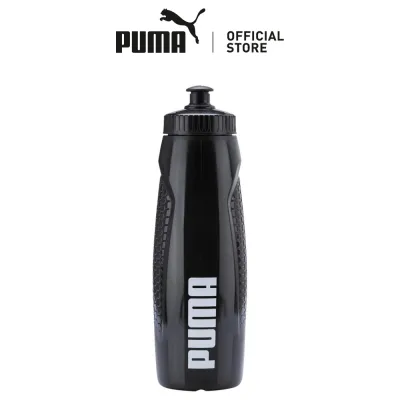
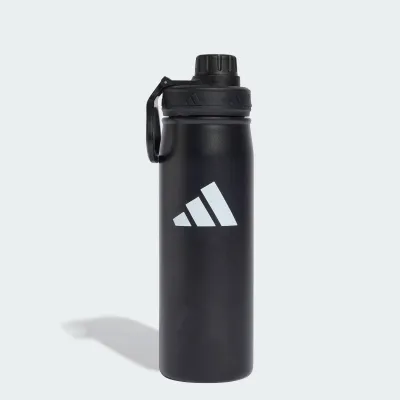
Prices are valid at publication and may change. Please refer to the product page for the latest price.
However, even the most robust vacuum seal cannot prevent all heat transfer, as the lid represents a major thermal bridge. Lids are typically made of plastic or silicone, which do not insulate as effectively as double-walled metal. Straw lids and flip-top designs offer quick access during exercise but often introduce more points of air ingress and thinner barriers, leading to faster ice melt compared to solid, insulated screw-caps. The interface where the lid meets the metal collar is also a common point of thermal loss, as heat can slowly creep through the non-insulated threads.
Additionally, the physical size of your bottle plays a significant role in temperature maintenance. A larger volume of cold liquid has more thermal mass, meaning it resists temperature changes longer than a smaller volume. Conversely, a bottle with a high surface-area-to-volume ratio, such as a tall, ultra-slim design, will warm up faster because more of the liquid is in close proximity to the external environment. This means that a 1-liter bottle will naturally keep water cold longer than a 500-milliliter bottle of identical construction under the same external conditions.
Evaluating Adidas Insulated Sports Bottles
When shopping for an Adidas bottle, it is essential to verify the specific insulation technology used in the model you are considering. Adidas offers a wide range of hydration products, from basic single-wall plastic squeeze bottles designed for quick cycling access to premium double-wall stainless steel flasks. Single-wall metal or plastic variants do not feature vacuum insulation and will sweat profusely in humid climates, warming up within minutes.

To identify a high-performing Adidas model, look closely at the product specifications for terms like “double-wall vacuum insulated” or “stainless steel.” These models are designed to prevent condensation on the exterior and maintain cold temperatures for extended periods. You should also examine the lid mechanism provided with the bottle. Many Adidas sports bottles feature convenient pull-spouts or flip-caps designed for rapid, one-handed sipping during a run or gym session, but you must check if these lids have integrated gaskets to prevent thermal leaks.
Before purchasing, always check the manufacturer packaging or official product descriptions for specific temperature retention claims. Manufacturers often state that a bottle can keep drinks cold for a set number of hours under controlled testing conditions. Keep in mind that these ratings are typically based on a bottle filled completely with ice and water and left unopened in a temperate room; real-world performance during a workout, where you open the lid repeatedly and expose the interior to warm air, will naturally vary.
Furthermore, consider the durability of the insulation seal on Adidas bottles. The vacuum seal can be compromised if the bottle suffers a hard impact, such as being dropped onto a concrete gym floor or a running track. When evaluating Adidas models, look for designs that feature protective silicone boots or robust base caps that can absorb shocks, preserving the integrity of the vacuum chamber over years of active use.
Comparing Alternative Sports Bottle Brands
When comparing Adidas to other major hydration brands, you will notice distinct differences in design philosophy and target use cases. Adidas primarily designs its gear with a sleek, athletic aesthetic that fits perfectly into gym bags, fitness studios, and urban workout environments. In contrast, dedicated outdoor brands often focus on rugged durability, offering heavy-duty powder coatings and reinforced bases designed to withstand drops on rocky trails or concrete courts.
To make an objective comparison, you should look past marketing buzzwords and compare equivalent specifications. Check the capacity, the grade of stainless steel used (typically 18/8 food-grade stainless steel), and the insulation type of both the Adidas bottle and its competitors. Some specialized brands incorporate a copper plating on the outer surface of the inner wall. This copper layer reflects thermal radiation, reducing heat transfer even further and providing a slight edge in heat resistance, though it may increase the overall weight of the bottle.
Exterior finish is another practical factor to evaluate, especially when your hands are sweaty during a high-intensity workout. Many premium sports bottles feature a textured powder-coated finish that provides a secure grip and prevents the bottle from slipping out of your hands. Compare this to the exterior finish of the Adidas models, which may feature smooth paint, silicone sleeves, or textured graphics, and choose the texture that feels most secure for your specific sport.
Additionally, consider the availability of aftermarket accessories and replacement parts. Dedicated hydration brands often offer a wide ecosystem of interchangeable lids, straw cleaning brushes, and protective boots. If you choose an Adidas bottle, verify whether replacement lids are easily obtainable, as a damaged lid or a moldy silicone gasket can render an otherwise perfect insulated bottle unusable if you cannot find a matching replacement.
Decision Framework: Matching the Bottle to Your Workout
Selecting the right bottle requires matching its insulation and design features to the duration and intensity of your exercise routine. For short, high-intensity indoor sessions, such as a one-hour spin class or a weightlifting workout in an air-conditioned gym, extreme insulation is rarely necessary. A lighter, medium-capacity bottle with standard double-wall insulation will keep your water sufficiently cold without adding unnecessary bulk to your gym bag, making it a highly practical choice.
For long-duration outdoor activities, such as distance running, cycling, or outdoor bootcamps in tropical heat, maximum insulation becomes a priority. In these scenarios, a larger, heavier vacuum-insulated bottle is worth the extra weight, as it ensures your water remains refreshing even after several hours under the sun. You will need to balance the desire for ice-cold water against the physical portability of the bottle, especially if you have to carry it by hand or in a running vest.
The choice of spout or lid also involves a trade-off between convenience and thermal efficiency. A straw lid or quick-sip spout allows you to hydrate rapidly without tilting your head, which is safer during active movement like running or cycling. However, if you plan to toss your bottle into a crowded sports bag, a heavy-duty screw-cap provides the most reliable leak prevention and the tightest thermal seal, ensuring your cold water does not spill over your workout clothes.
Budget is another factor to integrate into your decision framework. Premium insulated bottles can range from S$30 to S$60 or more, depending on the brand, capacity, and included accessories. If you primarily exercise indoors near water coolers where you can refill your bottle frequently, a lower-priced insulated bottle will serve you perfectly well. However, if you rely on your bottle to keep ice intact during a grueling outdoor match or a long hike, investing in a high-spec insulated model is a worthwhile expenditure.
Pre-Purchase Verification Checklist
Before finalizing your purchase, use this practical checklist to ensure the bottle meets your performance expectations:
- Confirm Vacuum Insulation: Read the product description carefully to ensure it explicitly states "double-wall vacuum insulated" rather than just "double-walled" or "insulated," as non-vacuum models perform poorly.
- Inspect the Lid Seal: Look for close-up images or product specifications showing a silicone gasket inside the lid, which is crucial for preventing both water leaks and temperature loss.
- Check Material Specifications: Ensure the bottle is made from 18/8 food-grade stainless steel (also known as 304 stainless steel) to guarantee durability, rust resistance, and no metallic aftertaste.
- Evaluate Lid Compatibility: Verify if the bottle comes with the specific lid style you prefer for your workout, or if the brand sells compatible alternative lids separately.
- Read Real-World Reviews: Search online marketplace reviews specifically for terms like "ice retention," "sweating," or "cold performance" to see how the bottle holds up in warm climates.
- Verify Return Policies: Check the retailer's return policy to ensure you can return or exchange the bottle if you discover any manufacturing defects or vacuum seal failures upon arrival.

Community discussion
Share your experience or ask a question. Comments are reviewed before publication.