
Selecting the right sports water bottle requires balancing your activity level, carrying setup, and hydration style. The CamelBak Podium Chill is a lightweight, squeezable bottle engineered primarily for active movement like cycling, where quick, one-handed hydration is essential. In contrast, rigid stainless steel options like the Hydro Flask and Owala FreeSip focus on robust durability and long-lasting temperature control, making them highly suited for gym sessions, office commuting, and daily use.
Your choice ultimately hinges on whether you need a flexible bottle that fits securely into a bicycle cage or a vacuum-insulated container that keeps your drinks cold during a humid day outdoors. By evaluating how each design handles insulation, portability, and maintenance, you can select the bottle that seamlessly integrates into your daily routine.
Core Design and Drinking Mechanism
The physical build and drinking interface of a water bottle dictate how easily you can hydrate mid-workout or during a busy commute. The CamelBak Podium Chill features a flexible, squeezable plastic body paired with a self-sealing Jet Valve. This mechanism allows you to drink simply by squeezing the bottle, eliminating the need to tilt your head back or use both hands while riding a bicycle along a park connector.
Products mentioned in this guide
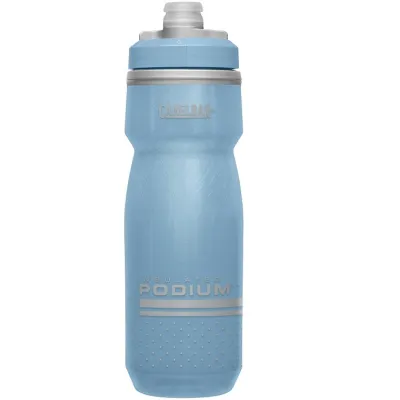
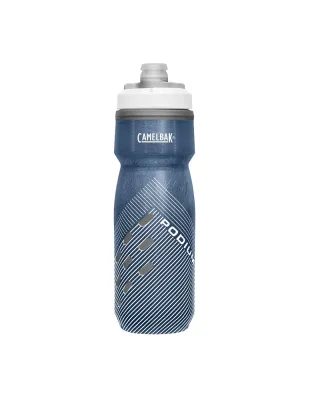
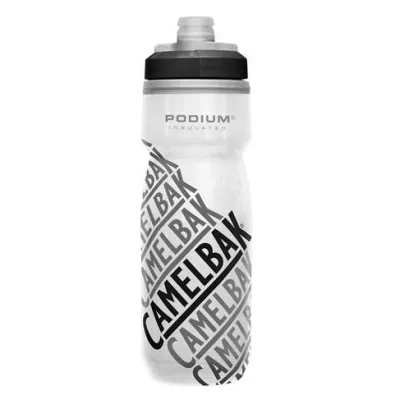
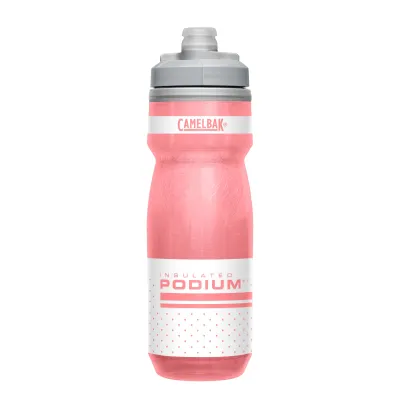
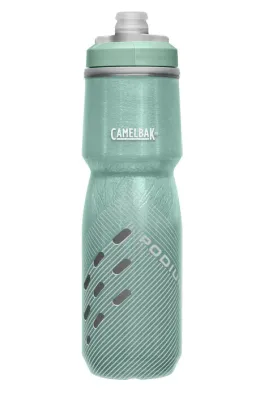
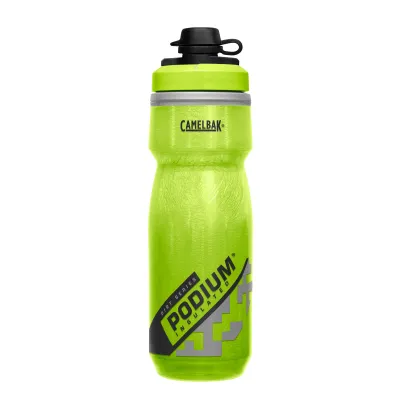
Prices are valid at publication and may change. Please refer to the product page for the latest price.
Conversely, Hydro Flask and Owala utilize rigid structures that require different drinking mechanics. Hydro Flask bottles are highly customizable, offering interchangeable lids such as the classic Flex Cap, a screw-on wide-mouth lid, or a straw lid that requires upright sipping. This modularity allows you to adapt the bottle to different activities, though it may require purchasing additional lids separately.
Owala distinguishes itself with the FreeSip lid, a patented dual-function design that offers two ways to drink. You can sip upright through the built-in straw or tilt the bottle back to chug from the wide-mouth opening. This versatility makes it a popular choice for multi-sport enthusiasts who transition quickly from low-intensity gym workouts to high-intensity training.
Securing your bottle against leaks during transport is another critical design consideration. The CamelBak Podium Chill features a manual lockout dial at the base of the nozzle; twisting this dial completely blocks water flow, preventing accidental spills when the bottle is squeezed inside a packed gym bag. Rigid competitors rely on secure threaded seals or locking clasps. For instance, the Owala FreeSip includes a push-button lid with a metal latch that folds up to lock the button, ensuring the lid remains closed even if bumped inside a backpack. Hydro Flask lids rely on tight silicone gaskets and threaded closures to maintain a leak-proof seal during transit.
Insulation Performance and Material Differences
The materials used in these bottles directly impact how long they can keep your beverages cold, especially in warm, tropical climates. The CamelBak Podium Chill is constructed from double-walled, BPA-free polypropylene plastic with an integrated closed-cell foam insulation layer. While this lightweight barrier slows down heat transfer, it does not prevent it entirely, making it suitable for shorter workouts rather than all-day temperature maintenance.

In contrast, both Hydro Flask and Owala utilize double-wall vacuum insulation wrapped in food-grade stainless steel. This construction removes the air between the inner and outer walls, creating a vacuum that significantly limits heat transfer by conduction or convection. To verify the specific thermal performance of these models, always check the manufacturer’s product label or official specifications, as cold-retention ratings can vary based on bottle volume and lid type.
Condensation, or bottle “sweat,” is a common issue when carrying cold drinks in humid environments. The vacuum-insulated stainless steel bodies of Hydro Flask and Owala prevent external condensation entirely, keeping the outside of the bottle dry and easy to grip. The insulated plastic of the Podium Chill reduces condensation compared to single-wall plastic bottles, but some external moisture may still form during prolonged exposure to high humidity.
Weight, Portability, and Gear Compatibility
How you transport your bottle is just as important as how much water it holds. The CamelBak Podium Chill is exceptionally lightweight and flexible, designed specifically to fit standard bicycle bottle cages. Its compressible plastic body allows it to slide in and out of tight frames easily, making it the preferred choice for cyclists and runners who prioritize minimal weight.
Stainless steel bottles are inherently heavier and more rigid, which can affect how you carry them. A fully filled stainless steel bottle adds noticeable weight to a backpack or tote bag during a long commute or hike. Before purchasing, it is highly recommended to measure the diameter of your bottle and compare it against your gear. Check the dimensions of your car cup holders, bicycle cages, or backpack side pockets to ensure a secure fit without stretching or damaging your equipment.
For active sports where you carry your gear on your body, such as trail running or fast-packing, the weight of a rigid bottle can cause uncomfortable bouncing. In these scenarios, a lightweight plastic bottle like the Podium Chill offers a more stable, comfortable carry, whereas rigid bottles are better suited for stationary gym workouts or situations where the bottle can be placed on a flat surface.
Cleaning, Maintenance, and Long-Term Value
Maintaining hygiene is crucial for any reusable water bottle, particularly around the drinking nozzle where moisture can accumulate. The CamelBak Podium Chill’s Jet Valve is highly functional but requires regular disassembly to prevent mold buildup. You must periodically pop off the silicone nozzle and separate the internal components to clean them thoroughly with warm, soapy water and a small brush.
Dishwasher compatibility varies significantly across brands and materials, and failing to follow care instructions can compromise your bottle’s integrity. While many modern stainless steel bottles and plastic lids are labeled as dishwasher safe, some powder-coated finishes or insulated plastics may degrade under high heat. Always consult the manufacturer’s care guide before placing any bottle or lid in the dishwasher.
Long-term value is heavily influenced by the availability of replacement parts. Over time, silicone seals, straws, and bite valves will naturally wear out or discolor. Brands like CamelBak and Hydro Flask frequently offer replacement lids, valves, and gaskets on their official websites, allowing you to extend the lifespan of your bottle without needing to purchase an entirely new unit.
Regularly inspect your bottles for physical wear indicators that suggest it is time for a replacement. For plastic bottles, look for deep scratches, persistent odors, or a sticky texture on the exterior. For stainless steel bottles, check for deep dents that might have breached the vacuum seal, as well as degraded silicone gaskets that no longer provide a leak-proof barrier.
Decision Framework: Which Bottle Fits Your Routine?
To choose the right bottle, align its specific features with your primary activities and hydration preferences.
Choose the CamelBak Podium Chill if you need a lightweight, squeezable bottle designed for cycling, running, or high-intensity cardio. Its quick-squeeze mechanism and standard bike-cage compatibility make it ideal for fast-paced workouts where you cannot afford to stop or use two hands to drink.
Choose the Hydro Flask if you prioritize maximum temperature retention for all-day cold drinks, prefer a durable stainless steel build, and want a highly customizable bottle with various lid options. It is well-suited for outdoor adventures, long commutes, and users who like to add large ice cubes to their drinks.
Choose the Owala if you want a versatile, rigid bottle that transitions smoothly between the gym, the office, and daily errands. Its unique dual-function lid allows you to sip or chug effortlessly, while the locking push-button cap provides reliable leak protection inside your bag.
Before making your final decision, verify your specific material preferences and measure your existing gear—such as bicycle cages or backpack pockets—against the manufacturer’s official dimensions to ensure a perfect fit.
Frequently Asked Questions (FAQ)
Can you put hot liquids in the CamelBak Podium Chill?
You should check the manufacturer’s maximum temperature rating on the product label before attempting to use the CamelBak Podium Chill with hot beverages. Squeezable plastic bottles are generally not designed for hot liquids, as high temperatures can cause pressure buildup inside the sealed bottle, leading to sudden leaks or spraying when the valve is opened. Additionally, extreme heat can warp the plastic material, compromising the bottle’s shape and its ability to fit securely in bike cages.
Do stainless steel bottles like Hydro Flask and Owala retain odors?
High-quality stainless steel bodies are naturally resistant to retaining odors and flavors, provided they are rinsed regularly. However, the plastic lids, straws, and silicone seals used on Hydro Flask and Owala bottles can absorb smells over time, especially if used for sports drinks, juices, or coffee. To resolve this, remove the silicone gaskets and soak them in a mixture of warm water and baking soda or white vinegar, following the brand’s general care guidelines to restore a fresh scent.

Community discussion
Share your experience or ask a question. Comments are reviewed before publication.