
When evaluating how a Fuguang bottle compares to other sports water bottle brands, the primary question is whether its insulation delivers adequate temperature retention for your specific workouts. Because actual performance depends heavily on the exact model, lid design, and environmental conditions, there is no single universal winner in the sports hydration market. A Fuguang bottle can be a highly suitable choice if its manufacturer-stated vacuum specifications align with your typical exercise duration. However, buyers must carefully verify the specific model’s features against competing brands to ensure it meets their precise hydration and temperature needs.
Choosing the right sports bottle requires looking past marketing buzzwords and focusing on verifiable design elements. In hot and humid climates like Singapore, where outdoor workouts quickly heat up lukewarm drinks, an insulated bottle’s efficiency can make a significant difference in your comfort and hydration levels. By analyzing the construction, materials, and lid configurations of Fuguang bottles alongside other market alternatives, you can make an informed decision that balances thermal performance, weight, and usability.
Understanding Fuguang's Insulation Technology and Specs
To evaluate a Fuguang bottle effectively, you must first understand the specific insulation features and manufacturer claims associated with their product lines. Start by checking the product label or official listing for double-wall vacuum insulation details and the specific material grade used. Many insulated sports bottles utilize stainless steel, but the exact grade—such as 304 or 316 food-grade stainless steel—determines the bottle’s resistance to corrosion from sports drinks and sweat.
Products mentioned in this guide
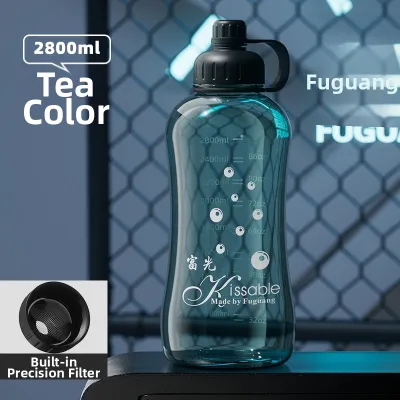
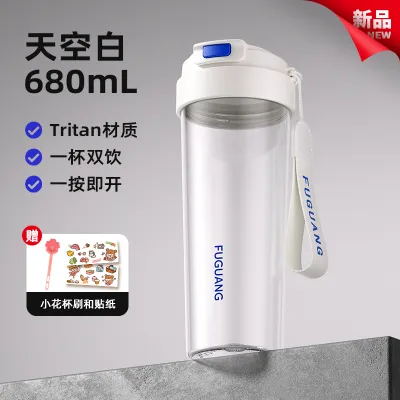
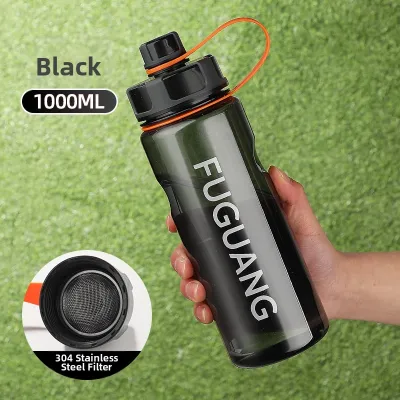
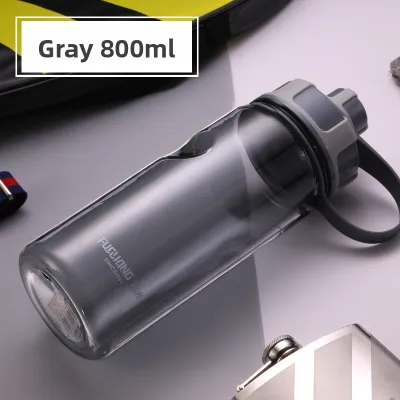
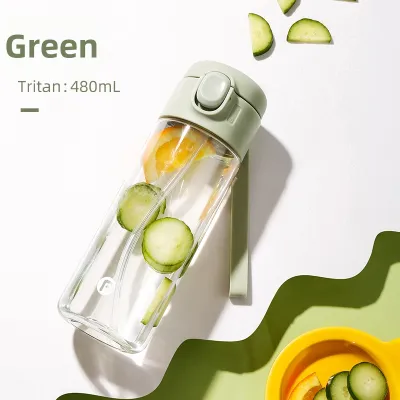
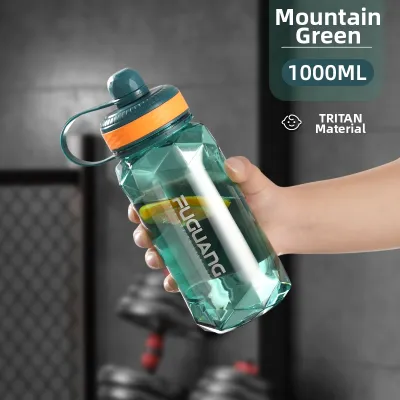
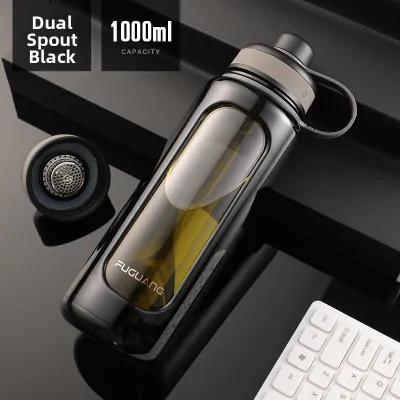
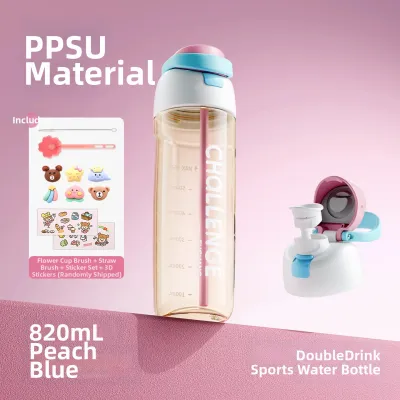
Prices are valid at publication and may change. Please refer to the product page for the latest price.
Next, note the stated hot and cold retention hours for the specific Fuguang model you are considering. Manufacturers typically list these metrics based on controlled laboratory tests, which serve as a baseline for comparison rather than a guarantee of real-world performance. A model rated for 12 hours of cold retention will perform differently under direct sunlight compared to an air-conditioned indoor gym.
The lid design is another critical factor that directly influences thermal efficiency. Identify the lid type of the model you are inspecting, whether it is a straw lid, a screw-top, or a quick-access flip-lid. Sealing mechanisms vary widely, and because lids are generally made of plastic rather than insulated metal, they represent the primary pathway for heat transfer. A tightly sealed screw-top generally retains temperature longer than a flip-lid with a complex straw mechanism.
Finally, review the bottle’s empty weight and physical dimensions. Double-wall vacuum insulation requires two layers of metal with an empty space between them, which naturally adds bulk and weight. You must assess whether the insulation thickness compromises portability during your specific sports activities. If a bottle is too heavy to carry comfortably on a run or does not fit into your bicycle’s bottle cage, its thermal performance becomes secondary to its lack of practicality.
Key Insulation Metrics to Compare Across Sports Bottles
When comparing any sports water bottles, establishing objective criteria allows you to cut through brand marketing and evaluate temperature retention logically. The primary indicator of thermal resistance is the vacuum layer thickness and the quality of the inner wall material. High-quality 18/8 stainless steel is the industry standard for sports bottles, providing a durable barrier that prevents heat from radiating into or out of the liquid.

Lid sealing mechanisms require close analysis because they are the most common points of heat loss. Even the most advanced double-wall vacuum body cannot overcome a poorly insulated or loosely sealed lid. Open spouts, push-button lids, and flip-lids with silicone gaskets must be inspected for how tightly they seal. A secure, multi-thread screw cap minimizes air exchange, whereas a quick-sip lid may sacrifice some thermal efficiency for the sake of convenience during high-intensity exercise.
Bottle capacity and the surface-area-to-volume ratio also play a natural role in temperature retention. Larger bottles containing a greater volume of liquid naturally hold their temperature longer than smaller bottles, assuming all other design factors are equal. If you opt for a compact 350ml bottle, the liquid will warm up faster than it would in a 1000ml bottle of the same design, simply due to the physics of thermal mass.
Additionally, look for advanced thermal barriers such as copper lining on the exterior of the inner wall. Some premium competing brands apply a thin layer of copper to reflect radiant heat, which can significantly extend temperature retention. When comparing Fuguang to other brands, check if the product specifications explicitly mention this extra copper plating, as it indicates a design optimized for prolonged temperature control.
Fuguang vs. Competing Brands: Feature and Spec Breakdown
To compare Fuguang’s listed specifications against typical market alternatives without relying on unverified marketing claims, it is helpful to use a structured framework. Because sports bottles range from premium double-wall insulated models to standard single-wall plastic or aluminum options, you must ensure you are making like-for-like comparisons.
The following table outlines how to categorize and compare different sports bottle types based on typical specifications found in product listings:
| Bottle Category | Typical Insulation Type | Stated Cold Retention | Common Lid Styles | Portability & Weight | Best Suited For |
|---|---|---|---|---|---|
| Fuguang Insulated Series | Double-wall vacuum (often 304/316 steel) | 6 to 12 hours (model dependent) | Screw-top, flip-lid, straw | Moderate weight; fits standard gym bags | Daily workouts, gym sessions, short hikes |
| Premium Outdoor Brands | Double-wall vacuum with copper lining | 12 to 24 hours | Heavy-duty screw cap, insulated lid | Heavier; rugged build for outdoor gear | All-day outdoor sports, long endurance trail runs |
| Standard Sports Bottles | Single-wall (no vacuum insulation) | None (sweats immediately) | Push-pull spout, open mouth | Ultra-lightweight; highly squeezable | Fast-paced cycling, short runs where weight is critical |
When using this framework, focus on comparing models with similar capacities and lid styles rather than just contrasting brand names. A Fuguang bottle with a simple screw-top will likely perform comparably to a premium brand’s screw-top model of the same size, whereas comparing a Fuguang straw-lid bottle to a premium brand’s insulated wide-mouth bottle will yield misleading results.
Furthermore, treat any unspecified or missing thermal metrics in a product listing as a lack of guaranteed insulation performance. If a brand does not explicitly state the hot or cold retention hours, or if they omit details about double-wall construction, the bottle is likely designed for basic liquid containment rather than temperature control.
Matching Insulation Performance to Your Workout Needs
Selecting the right bottle requires matching its insulation capabilities to your specific exercise routines and local environment. You can apply a straightforward decision framework to guide your purchase. Choose a Fuguang bottle if its stated specifications align with your standard workout length, typically ranging from one to three hours. If you require extreme-duration temperature retention for all-day outdoor events or multi-day camping trips, a premium competitor with advanced thermal barriers may be more appropriate. Conversely, if you prioritize ultra-lightweight gear over temperature control, neither option fits, and a single-wall plastic bottle is the better choice.
Contrast your typical workout environments to determine how critical insulation is for your routine. Short, high-intensity indoor gym sessions in air-conditioned spaces do not demand extreme thermal performance; a standard insulated bottle will easily keep your water cool. However, long-duration outdoor endurance events, such as cycling along coastal paths or hiking through nature reserves, expose your bottle to direct sunlight and high ambient temperatures, making robust insulation essential.
Environmental factors in Singapore are particularly demanding. The persistent high heat and humidity accelerate external temperature exchange, causing cold liquids in non-insulated or poorly insulated bottles to warm up rapidly. High humidity also increases the likelihood of external condensation on non-insulated surfaces, which can make your bottle slippery and difficult to grip during a workout.
Finally, balance your hydration volume requirements with the physical size of the bottle. If your workout routine allows for frequent refills from water coolers, carrying a massive, heavily insulated bottle may be unnecessary. In such cases, a smaller, lighter insulated bottle that is easy to carry and refill can keep your water sufficiently cold without adding unnecessary bulk to your sports gear.
How to Verify Temperature Retention Claims Before Buying
Before committing to a purchase, you should take practical steps to validate insulation performance and protect your investment. Do not rely solely on promotional materials or manufacturer-provided graphics. Instead, read verified user reviews on retail sites and independent forums, focusing specifically on comments that mention real-world temperature drops during outdoor use or prolonged storage. Look for feedback from users who exercise in similar climates to ensure the reviews are relevant to your needs.
Additionally, check the manufacturer’s warranty policy regarding vacuum seal failures, structural defects, or dents. A reputable brand should offer clear terms for replacing a bottle if the vacuum seal fails prematurely. Understanding the return policy of your local retailer is also crucial, as it allows you to return the product if it arrives with manufacturing defects.
Once your bottle arrives, plan a simple at-home test to confirm the vacuum seal is intact before taking it to the gym. Fill the bottle with ice water and let it sit on a counter for a few hours. Touch the exterior of the bottle; it should remain cool but dry. If the outer wall feels freezing cold or starts to sweat, the vacuum seal is compromised, and you should request a replacement immediately.
Finally, inspect the bottle thoroughly for physical damage upon delivery. Even minor dents to the outer wall can bridge the gap between the inner and outer metal layers, destroying the vacuum insulation. Inspect the bottom, seams, and lid threads for any signs of impact or misalignment that could compromise the bottle’s thermal integrity.
Frequently Asked Questions (FAQ)
Does a Fuguang bottle sweat when filled with ice water?
A true, intact double-wall vacuum insulation layer prevents exterior sweating by blocking thermal transfer between the cold liquid inside and the warm air outside. If your Fuguang bottle is functioning correctly, the outer surface will remain dry and comfortable to hold. However, if you are using a single-wall model, a non-insulated lid, or if the bottle’s vacuum seal has been damaged by a drop, external condensation will form quickly in humid conditions.
Can I put boiling water in a Fuguang sports bottle?
You must check the manufacturer’s maximum temperature rating on the product label before putting hot liquids in any sports bottle. While the stainless steel body can easily withstand boiling water, many sports-style lids—especially those with built-in straws, flip-tops, or narrow spouts—are made of plastics that can warp or degrade under high heat. Furthermore, sealing boiling water inside a bottle creates pressure buildup, which poses a significant burn risk when opening the lid.

Community discussion
Share your experience or ask a question. Comments are reviewed before publication.