
To find a slim insulated sports water bottle that keeps drinks cold during intense workouts, look beyond marketing buzzwords and focus on construction specifications. While many brands claim up to 24 hours of cold retention, real-world performance in hot climates depends heavily on the bottle’s physical design, lid seal, and how much ice you can fit inside its narrow profile. A slim bottle’s portability makes it excellent for gym cup holders and running paths, but its smaller diameter naturally alters its thermal dynamics compared to wider flasks. Understanding how these factors interact allows you to choose a bottle that maintains refreshing temperatures throughout your training session.
What Actually Determines Cold Retention in Slim Bottles?
The primary technology behind cold retention is double-wall vacuum insulation. This construction features an inner and outer stainless steel vessel separated by a pocket of near-total vacuum. Because heat requires a medium (like air) to travel via conduction or convection, the vacuum layer acts as an incredibly efficient barrier, preventing external heat from warming your beverage.
To enhance this effect, some premium manufacturers apply a thin copper plating to the exterior of the inner stainless steel wall. Copper is an excellent thermal reflector; it reflects radiant heat away from the cold liquid inside, significantly extending the duration of cold retention. When comparing brands, verifying the presence of this copper lining is one of the most reliable indicators of superior thermal engineering.
Products mentioned in this guide
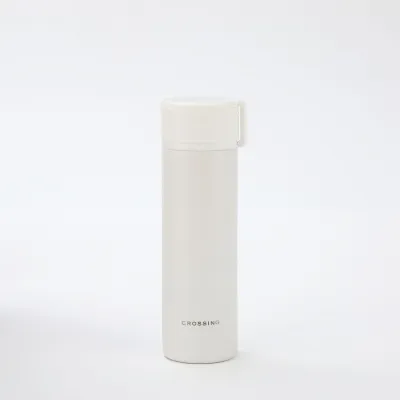
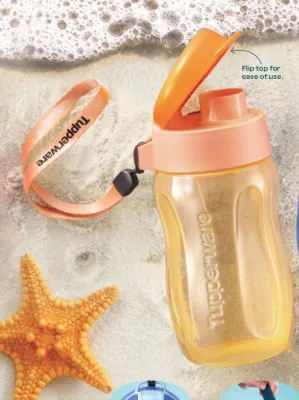
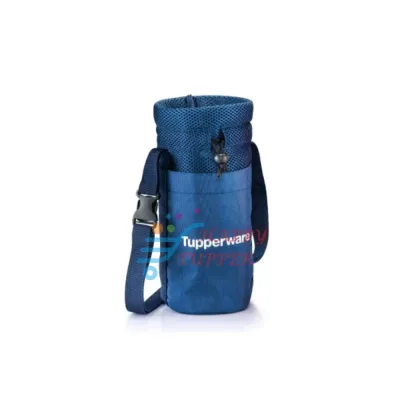
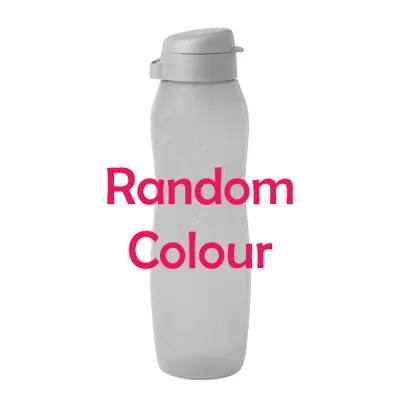
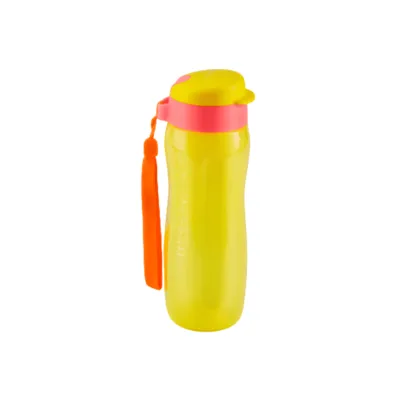
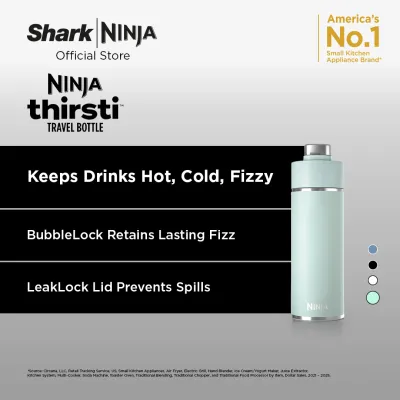
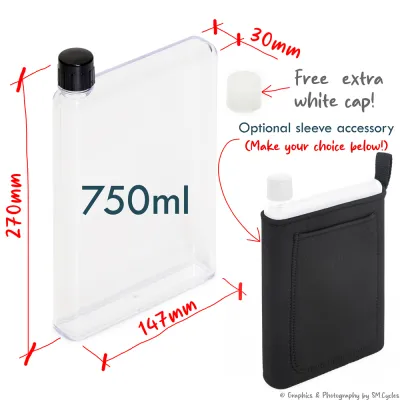
Prices are valid at publication and may change. Please refer to the product page for the latest price.
However, the slim profile of these bottles introduces specific physical challenges. A slim bottle has a higher surface-area-to-volume ratio than a wider bottle of the same capacity. This means a larger percentage of the liquid is positioned close to the outer walls, which can accelerate heat transfer if the vacuum seal is compromised or thin.
Furthermore, the narrow neck of a slim bottle limits the size of the ice cubes you can insert. Ice acts as a thermal reservoir, absorbing heat as it melts to keep the surrounding water cold. If you can only fit small or crushed ice into your bottle, it will melt much faster than large, solid ice blocks, reducing the overall duration of cold retention during long outdoor workouts.
Finally, the lid is the primary point of thermal vulnerability. While the metal body of the bottle is highly insulated, the cap is typically made of plastic, silicone, or rubber, which conduct heat much more readily. Every time you open the lid to take a sip, warm ambient air enters the bottle, and cold air escapes, making the sealing mechanism and lid material critical factors in overall performance.
Core Specifications to Compare Across Slim Bottle Brands
When shopping for a slim sports water bottle, manufacturer-stated cold retention hours should be viewed as a baseline rather than a guarantee. These ratings are typically established under ideal laboratory conditions, often in temperature-controlled rooms around 20°C to 22°C, with the bottle filled completely with ice and left unopened. In real-world training environments, especially during outdoor activities in tropical climates, you should expect the actual cold retention time to be shorter.

To make an objective comparison, focus on the material specifications. High-quality insulated bottles are constructed from food-grade 18/8 stainless steel, also known as Grade 304. This material is highly durable, resistant to rust, and does not transfer metallic flavors to your water. Any plastic components, particularly in the lid, straw, or carrying loop, must be certified BPA-free to ensure safety under repeated use and exposure to heat.
The design of the cap also plays a decisive role in thermal efficiency. Screw-on caps provide the most secure seal and the best insulation because they minimize air gaps and often feature insulated cores. Flip-top lids and straw caps offer excellent convenience for quick sipping during workouts, but they contain more moving parts, thinner plastic barriers, and integrated air valves that allow heat to seep in more rapidly.
To help you evaluate your options, use the following blank comparison matrix to organize the specifications of the brands you are considering:
| Specification | Brand A | Brand B | Brand C |
|---|---|---|---|
| Stated Cold Retention (Hours) | |||
| Material Grade (e.g., 18/8 Steel) | |||
| Lid Insulation Type | |||
| Base Diameter (mm) | |||
| Mouth Opening Width (mm) | |||
| Copper Lining Included (Yes/No) |
By filling out this matrix with data from product manuals or manufacturer specifications, you can easily identify which slim bottle offers the best balance of materials and thermal engineering for your budget, which typically ranges from S$25 to S$60 for premium models.
Balancing Slim Ergonomics With Ice Capacity for Workouts
The main appeal of a slim sports water bottle is its ergonomic design. With a diameter typically under 7.5 centimeters, these bottles fit comfortably in standard bicycle bottle cages, treadmill cup holders, and the side pockets of running backpacks. They are also much easier to grip with one hand while moving, making them a favorite for runners, cyclists, and gym-goers who prioritize mobility.
However, this convenient form factor requires a trade-off in ice capacity. Standard household ice makers often produce crescent-shaped or square ice cubes that are too wide to fit through the narrow opening of a slim bottle. To keep your drinks cold, you may need to rely on crushed ice or purchase specialized silicone trays designed to make long, narrow ice sticks.
Weight distribution is another factor to consider when choosing a slim bottle for active sports. When fully filled with water and ice, a tall, narrow bottle can have a high center of gravity, making it prone to tipping over when placed on gym floors or flat surfaces. Look for bottles with a slightly weighted base or a slip-resistant silicone boot to improve stability and protect the bottom from dents if dropped.
Additionally, cleaning a narrow-neck bottle requires more effort, especially if you use electrolyte powders, sports drinks, or amino acid supplements. Residue can easily accumulate in the bottom corners and around the neck threads, leading to bacterial growth and unpleasant odors. Ensure you have a dedicated bottle brush with flexible bristles, and verify whether the manufacturer recommends hand washing or if the bottle is safe for the top rack of a dishwasher.
Decision Framework: Matching the Bottle to Your Training Environment
To select the right slim insulated bottle, you must match its design features to your specific training habits and environment. If you primarily train outdoors in high-heat and high-humidity conditions, thermal efficiency should be your top priority. In this scenario, choose a bottle with a fully insulated, screw-on cap and verified double-wall vacuum insulation with an internal copper lining to maximize cold retention.
If your workouts take place in air-conditioned indoor gyms or fitness studios, you can prioritize convenience and ease of use over maximum thermal performance. A lightweight, slim bottle equipped with a straw lid or a quick-release flip-top allows you to hydrate quickly between sets without tilting your head back or blocking your line of sight.
Before making a purchase, always measure the mouth opening of the bottle and compare it to your preferred ice source. If you do not want the extra chore of crushing ice or using specialized trays, look for a “semi-slim” hybrid design that offers a slightly wider mouth while maintaining a tapered base that still fits standard cup holders.
Finally, stop and reconsider your choice if a manufacturer does not clearly state the materials used in the bottle’s construction or if they omit details about the vacuum insulation technology. Investing in a reputable brand that provides transparent specifications ensures that your bottle will remain safe, durable, and capable of keeping your drinks cold for many workouts to come.
Frequently Asked Questions (FAQ)
Does a straw lid reduce cold retention compared to a sealed screw cap?
Yes, straw lids generally reduce cold retention because they require an integrated air valve to allow liquid to flow smoothly. This valve and the straw channel create small pathways where ambient air can enter the bottle, accelerating the warming process compared to a completely sealed, solid screw cap.
How can I pre-chill a narrow stainless steel bottle effectively?
To pre-chill your bottle, fill it with cold tap water and a few ice cubes, then let it sit for 5 to 10 minutes before emptying it and adding your actual workout beverage. Never place a vacuum-insulated stainless steel bottle in the freezer, as the expansion of freezing water can permanently damage the internal vacuum seal and warp the metal body.

Community discussion
Share your experience or ask a question. Comments are reviewed before publication.