
Finding a high-quality cork yoga block in Singapore involves assessing material density, edge finishing, and sourcing transparency rather than relying solely on brand names. Cork blocks offer excellent stability and reliable grip compared to foam alternatives, making them a favorite for local practitioners in Singapore’s humid climate. To make an informed purchase, you must understand how to verify material integrity, match block dimensions to your physical needs, and navigate local retail options. This guide provides a practical framework to help you evaluate the available options and select a durable, supportive block that enhances your practice.
Comparing Cork to Alternative Yoga Block Materials
In Singapore’s tropical climate, humidity levels are consistently high, which directly impacts how equipment performs during a yoga session. When sweat accumulates on a yoga block, synthetic materials like ethylene-vinyl acetate (EVA) foam or plastic can become slick and dangerous. Cork possesses a natural cellular structure that absorbs small amounts of moisture, actually increasing its traction when wet. This self-regulating grip makes cork blocks highly reliable for hot yoga, active vinyasa flows, and humid outdoor practices.
Beyond moisture management, the structural integrity of cork provides unmatched stability during weight-bearing postures. Unlike foam blocks, which compress under pressure, cork remains rigid and unyielding. This firmness is crucial when executing advanced balancing poses, such as half moon or crow pose, where a shifting base can lead to wrist strain or loss of balance. The solid foundation of a cork block ensures that your weight is distributed evenly across the surface without the risk of the block buckling or tipping.
Products mentioned in this guide
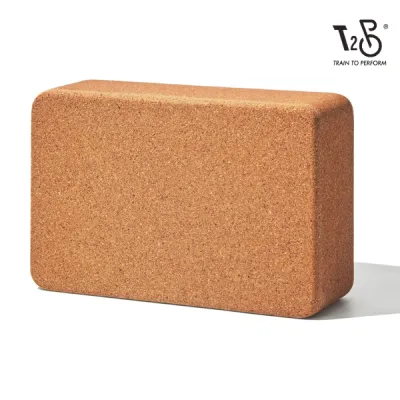
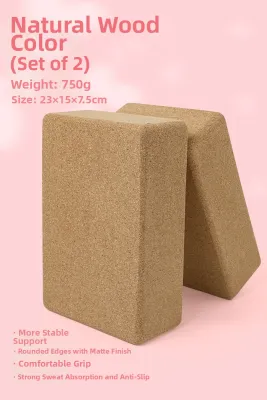
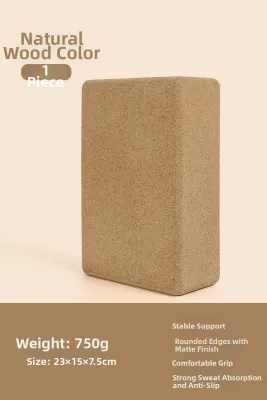
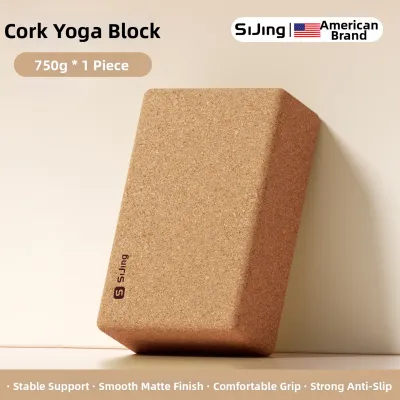
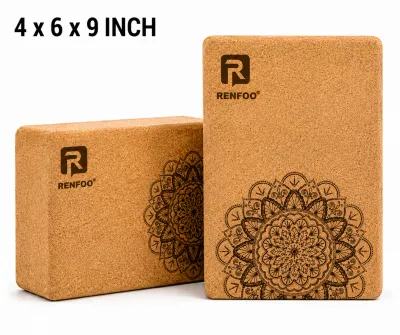

Prices are valid at publication and may change. Please refer to the product page for the latest price.
However, this structural density comes with a clear trade-off in terms of weight and portability. A standard cork block typically weighs significantly more than its foam counterpart, making it less convenient to carry in a standard tote bag during a daily commute on the MRT. For practitioners who primarily practice at home or leave their props in a dedicated studio locker, the weight is rarely an issue. If portability is your primary concern, you must weigh the physical effort of carrying a heavier block against the high stability it offers during your practice.
Additionally, the environmental footprint of cork is vastly different from that of synthetic alternatives. Cork is a renewable, biodegradable resource harvested from the bark of cork oak trees, whereas EVA foam is a petroleum-based plastic that does not break down easily in landfills. For environmentally conscious practitioners in Singapore, choosing cork aligns with a sustainable lifestyle and reduces plastic waste. While foam blocks are cheaper and lighter, they lack the longevity and ecological benefits that make cork a durable long-term investment for serious practitioners.
Key Quality Checks for Cork Yoga Blocks
To ensure you are purchasing a durable product, you must perform several physical checks on the block’s density and weight. High-quality cork blocks are made from tightly compressed cork granules, resulting in a solid, heavy feel. If a block feels surprisingly light or soft to the touch, it may be constructed from low-density cork or contain a hollow core, both of which compromise durability. A low-density block is prone to crumbling at the corners and may fail to support your full body weight safely over time.

The finish of the edges and corners is another critical indicator of manufacturing quality. Premium cork blocks feature distinct, smooth beveling along all twelve edges rather than sharp, ninety-degree cuts. Beveled edges reduce pressure points on your hands, wrists, and back when you lean your full weight onto the block. When evaluating a block in person, run your fingers along the edges to ensure there are no rough patches, sharp transitions, or uneven cuts that could cause discomfort during a restorative pose.
Seam integrity and surface flaking are common issues in poorly manufactured cork products. Inspect the surface of the block closely for any visible cracks, deep pits, or loose granules that easily rub off under light finger pressure. While minor cosmetic variations are normal for natural wood products, systemic flaking indicates a weak binding agent or insufficient compression during manufacturing. A block that sheds cork dust during your first inspection will likely degrade rapidly under the friction of regular practice.
Finally, you should review the manufacturer’s sustainability claims and material sourcing transparency. Genuine cork is harvested from the bark of the cork oak tree without harming the tree itself, making it an exceptionally eco-friendly material when harvested responsibly. Look for product labels or manufacturer documentation that references recognized forestry standards or certifies that the cork is sustainably sourced. Avoid brands that offer no information about their supply chain, as they may use synthetic binders or low-grade cork waste that compromises both environmental benefits and product longevity.
Furthermore, pay attention to the smell of the block when evaluating it. High-quality, natural cork has a mild, woody scent that dissipates quickly after unpacking. If a block emits a strong, pungent chemical odor, it is likely that the manufacturer used low-grade synthetic glues or toxic binding agents to hold the cork granules together. These chemicals can irritate your skin and respiratory system during close-contact poses, such as child’s pose or supported fish pose, making it essential to choose brands that prioritize non-toxic, food-grade binders.
Matching Block Dimensions to Your Hand Size and Practice
Yoga blocks are not one-size-fits-all, and selecting the correct dimensions is essential for maintaining proper alignment and comfort. The standard industry size for a yoga block is approximately 9 x 6 x 4 inches (roughly 23 x 15 x 10 centimeters), which serves as a versatile baseline for most practitioners. However, manufacturers also produce slimmer variants, often around 3 inches in thickness, as well as oversized blocks designed for specific therapeutic uses. Understanding how these variations interact with your body shape will help you avoid purchasing a block that is either too bulky or too small to use effectively.
Your hand size and grip strength should directly dictate the thickness of the block you choose. If you have smaller hands or limited grip strength, a standard 4-inch block can feel difficult to grasp securely when lifting or moving it during a fast-paced transition. In such cases, a 3-inch block allows for a more secure hold, reducing the risk of dropping the block mid-pose. Conversely, practitioners with larger hands or limited flexibility often benefit from the extra height of a standard or oversized block, which brings the floor closer to them and reduces strain on the hamstrings and lower back.
The style of yoga you practice most frequently also influences the ideal block size. For active, dynamic styles like Ashtanga or Vinyasa, standard-sized blocks are preferred because they are easy to reposition quickly and provide a reliable height for hand placement. For restorative, yin, or therapeutic yoga, larger or wider blocks offer a more supportive platform for resting the sacrum, spine, or thighs. A wider surface area distributes pressure more comfortably across your body, allowing you to relax completely into passive stretches without feeling like you are balancing on a narrow ledge.
It is also worth considering whether you need a single block or a pair. Many foundational poses, such as triangle pose or half moon, require only one block to bridge the gap between your hand and the floor. However, symmetrical poses, chest openers, and restorative backbends often require two blocks of identical dimensions to support both sides of your body evenly. If you plan to progress to more complex sequences or restorative practices, purchasing a matching pair of blocks from the same production batch ensures consistent height, density, and feel.
Navigating Retailers and Verifying Authenticity in Singapore
When shopping for cork yoga blocks in Singapore, sourcing your equipment from reputable channels is a reliable way to ensure quality. Local specialty yoga studios and authorized brand showrooms often carry curated selections of premium gear that have been vetted by experienced instructors. Purchasing directly from these physical locations allows you to inspect the blocks firsthand and seek advice from staff who understand the specific demands of different yoga styles. While prices at specialty boutiques may be higher, the assurance of authenticity and immediate product inspection often justifies the investment.
If you prefer the convenience of online shopping, navigating major e-commerce platforms requires a cautious approach to avoid counterfeit or low-quality imitations. Always verify the seller’s credentials by checking if they are listed as an authorized distributor or an official brand store on the platform. Read customer reviews carefully, paying close attention to feedback regarding product weight, crumbling edges, or chemical odors upon unboxing. Additionally, prioritize sellers that offer clear return policies, allowing you to send the block back if it fails to meet density and quality standards upon arrival.
Whenever possible, visiting a physical retail store to test a block before buying is highly recommended. You can perform simple, non-destructive tests to verify the block’s suitability for your practice. Press your thumb firmly into the center of the block; a high-quality cork block should feel completely solid with virtually no give. Lift the block to assess its weight distribution, ensuring it feels balanced and substantial rather than hollow. Finally, hold the block in a standard hand grip to verify that the beveled edges sit comfortably against your palms without pinching or scratching your skin.
Be wary of deals that seem too good to be true, especially on generic online marketplaces. Very low-priced cork blocks are often made from low-density composite materials or contain a high percentage of synthetic fillers that mimic the appearance of cork but lack its durability and grip. Investing in a reputable brand from an authorized local retailer ensures that you receive a product that is safe, durable, and free from harmful chemical binders, ultimately saving you money by eliminating the need for frequent replacements.
Frequently Asked Questions (FAQ)
How do I clean and maintain a cork yoga block?
To clean your cork yoga block, wipe the surface down with a soft, damp cloth and a very mild, diluted soap after each practice session. Avoid using harsh chemical cleaners, bleach, or abrasive scrubbing pads, as these can break down the natural organic binders holding the cork granules together. Never submerge or soak your cork block in water, as excessive moisture absorption can cause the cork to swell, warp, or lose its structural integrity. Once cleaned, allow the block to air dry completely in a well-ventilated space away from direct sunlight before storing it in your closet or bag. Proper drying is essential to prevent the growth of mold or mildew within the natural pores of the wood.
Can cork yoga blocks cause splinters or skin irritation?
High-quality cork yoga blocks are finely sanded and finished to ensure a smooth, splinter-free surface that is gentle on the skin. However, as a block ages or if it is subjected to rough handling, the edges may begin to chip, flake, or degrade. It is important to inspect your block regularly for any signs of surface breakdown, such as loose granules or sharp, crumbling edges. If you notice significant flaking or if the surface becomes rough enough to cause friction burns or skin irritation, you should stop using the block immediately. Replacing a degraded block ensures you maintain a secure grip and prevents any potential discomfort or minor skin abrasions during your practice.
Are cork blocks too hard for beginners?
While cork blocks are significantly firmer than EVA foam blocks, they are not too hard for beginners and actually offer distinct benefits for foundational learning. The unyielding support of cork provides immediate, clear feedback on your alignment and weight distribution, helping you build proper posture habits from the start. If you find the firm surface uncomfortable under your hands or knees initially, you can easily adjust your grip or place a thin yoga towel over the block to add a layer of cushioning. Over time, most beginners find that the stability and security offered by a firm cork block far outweigh the temporary softness of a foam alternative, especially when learning to balance.

Community discussion
Share your experience or ask a question. Comments are reviewed before publication.