
Bringing your foldable bicycle on Singapore’s MRT trains and buses is an excellent way to bridge the first-and-last-mile gap of your daily commute. To do so without any issues, you must ensure your bicycle is fully folded before entering transit areas, fits within the official size limits, is kept clean to avoid soiling other passengers, and is carried in compliance with any active peak hour guidelines or station rules. This comprehensive guide will walk you through the essential preparation, timing strategies, and boarding steps to ensure a seamless, stress-free journey.
By integrating your bicycle with public transit, you unlock a highly flexible and eco-friendly way to navigate the city. However, because trains and buses are shared public spaces, the Land Transport Authority (LTA) maintains strict regulations to ensure the safety and comfort of all commuters. Understanding these rules before you tap your fare card will save you from being turned away at the gantry or causing unnecessary friction during your journey.
Verify LTA Size and Folding Requirements Before You Travel
Before embarking on your first multi-modal commute, you must verify that your foldable bicycle complies with the physical dimensions permitted on public transport. The Land Transport Authority (LTA) sets specific maximum allowable folded dimensions for length, width, and height to ensure that folded bicycles can fit safely within train cabins and bus interiors without obstructing pathways. Because these dimensions can be updated periodically, you should always check the official LTA website for the most current measurements before planning your trip.
Products mentioned in this guide

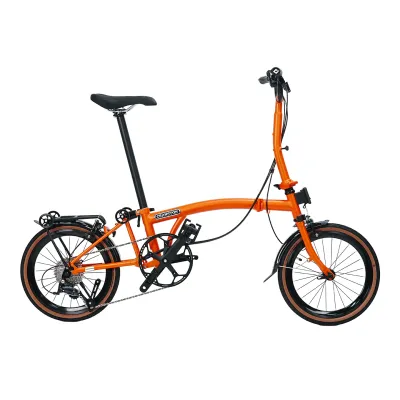


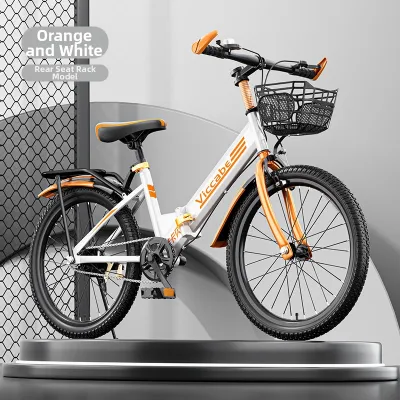
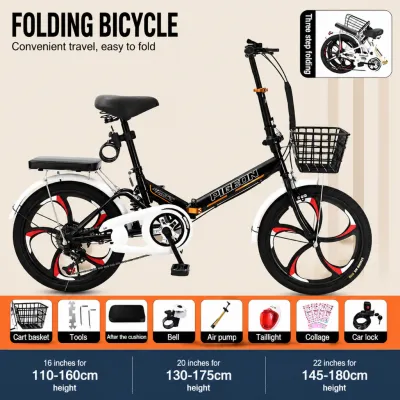


Prices are valid at publication and may change. Please refer to the product page for the latest price.
Beyond the physical dimensions, the cleanliness of your bicycle is a critical factor for compliance. Exposed chains, greasy gears, and muddy wheels can easily soil the clothing of other passengers or stain station property, which is a common cause for being denied entry. To prevent this, consider installing mudguards, using chain guards, or wrapping a dedicated bicycle carry bag or protective cover over the greasy components of your bike before entering the station.
A thorough mechanical check is also essential before you head out. You must ensure that your bicycle folds completely and locks securely in its folded position. If a latch is loose or a hinge is worn, the bicycle might spring open unexpectedly on a crowded train platform or inside a moving bus, creating a serious safety hazard for you and those around you. Regularly inspect and maintain your folding joints, clamps, and quick-release levers to guarantee they remain tight and reliable.
Finally, consider the weight and portability of your bicycle relative to your own physical capabilities. Even if a bicycle meets the official size limits, you must be able to lift, carry, and maneuver it comfortably through crowded stations, up ramps, and onto vehicles. If your bicycle is particularly heavy, look into aftermarket rolling wheels or transport brackets that allow you to roll the folded unit smoothly without violating transit rules.
Plan Your Commute Around Peak Hour Restrictions
Timing is everything when combining cycling with public transit in Singapore. To maintain a smooth flow of commuters, LTA establishes specific guidelines regarding the carriage of personal mobility devices and foldable bicycles during peak hours. You should consult the official LTA website to identify the exact morning and evening peak hour windows, during which passenger volume on MRT lines and buses reaches its maximum.

During these highly congested peak periods, navigating stations and boarding vehicles with a folded bicycle can be exceptionally challenging. While LTA rules generally permit folded bicycles on public transport throughout the day, station staff and bus captains retain the authority to manage passenger flow and may restrict entry if a station, train, or bus is dangerously overcrowded. Understanding these dynamics helps you anticipate potential delays and plan your travel windows accordingly.
If your daily commute coincides with peak hours, implementing smart scheduling strategies can make a significant difference. Aim to travel slightly earlier or later than the core rush hours to enjoy emptier platforms and more spacious train cabins. Alternatively, you can plan routes that utilize less congested train lines or transfer points, reducing the likelihood of encountering packed carriages where maneuvering a folded bicycle becomes difficult.
When peak-hour travel is absolutely unavoidable, always have a backup plan in place. This might involve identifying alternative cycling paths that allow you to bypass the busiest transit sectors entirely, or knowing where secure bicycle parking hubs are located near your starting station. By parking your bicycle securely at an MRT station and continuing your journey on foot, you can avoid the stress of navigating crowded transit vehicles altogether.
Step-by-Step Guide to Boarding MRT Trains and Buses
Navigating the transit network with a folded bicycle requires a systematic approach from the moment you arrive at the station to the moment you exit your destination.
At the Station
Your transit routine must begin before you pass through the fare gates. You are required to fully fold your bicycle before entering the paid area of any MRT station. Once folded, do not attempt to carry your bicycle on escalators, as this poses a severe fall hazard; instead, always use the passenger lifts to travel between different levels of the station. When passing through the fare gates, utilize the wide passenger gates, which provide ample clearance for you and your folded bicycle to pass through safely without getting snagged.
On the MRT
Once you are on the train platform, wait for the train in an orderly manner and prepare to board. When the train arrives, step into the cabin and immediately position your folded bicycle in a way that does not block the doors, aisles, emergency exits, or priority seats. The ideal location is within the designated wheelchair or stroller spaces, provided they are not currently required by passengers who need them. Throughout the journey, keep a firm grip on your bicycle to prevent it from rolling or tipping over when the train accelerates, decelerates, or rounds a curve.
On Buses
Boarding a public bus with a folded bicycle requires extra care due to the limited space available. Always board through the front door, ensuring your bicycle is fully folded and secured before the bus arrives. Once on board, tap your fare card and move directly to the designated wheelchair or stroller area to park your bicycle. You must remain with your bicycle at all times and hold it securely so it does not slide during transit. Most importantly, if a wheelchair user or a passenger with a stroller boards the bus, you must immediately yield the designated space and relocate your bicycle to a safe, non-obstructive spot, or alight if no other safe space is available.
Practice Good Etiquette and Safety on Public Transport
Sharing public transit spaces with thousands of daily commuters requires a high level of mutual respect, consideration, and safety awareness.
Your primary responsibility is to ensure that your folded bicycle does not cause inconvenience or physical discomfort to others. Keep the bicycle as close to your body as possible, and be highly mindful of its protruding parts, such as pedals or handlebars, which can easily snag clothing or bruise passing commuters. If your bicycle has been exposed to rain or wet roads, take a moment to wipe down the frame and wheels with a cloth before boarding to prevent water from dripping onto the station floor or other passengers.
Safety regulations strictly prohibit riding, pushing, or rolling your bicycle while inside MRT stations, on train platforms, or inside transit vehicles. Even if your bicycle is folded and has auxiliary transport wheels, you should carry it or guide it with extreme caution, ensuring it never moves faster than a slow walking pace. Riding any bicycle within station premises is an offense and can result in strict penalties, as well as posing an immediate danger to pedestrians.
Finally, always maintain a polite and cooperative attitude when interacting with transit staff. Station managers, security personnel, and bus captains are responsible for the safety of all passengers and may occasionally ask to inspect your bicycle’s folding mechanism or verify its dimensions. If you are stopped, remain calm, demonstrate that your bicycle is fully folded and locked, and comply with their instructions. If a vehicle is deemed too crowded for safe boarding, patiently wait for the next service to ensure a safe journey for everyone.
Frequently Asked Questions (FAQ)
Can I bring my foldable bicycle on all MRT lines and bus services?
Yes, LTA guidelines generally allow folded bicycles on all standard MRT lines and public bus services across Singapore. However, you should remain aware of temporary restrictions that may be implemented during major national events, specific station upgrades, or emergency situations. Always check for service announcements from transit operators before traveling to ensure there are no localized disruptions or temporary bans on carrying bulky items.
Do I need to buy a separate ticket for my foldable bicycle?
No, you do not need to purchase an additional ticket or pay an extra fare to bring your foldable bicycle on MRT trains or buses. As long as your bicycle is fully folded and meets the official LTA size and safety criteria, it is treated as personal hand luggage. Your standard commuter fare, paid via your contactless card or travel card, covers both you and your folded bicycle.
What should I do if a bus captain or station staff stops me?
If you are stopped by transit staff, remain polite and cooperative. Demonstrate that your bicycle is fully folded, securely locked, and clean. If they point out a compliance issue, such as an exposed greasy chain or a loose latch, address it immediately if possible. If the staff member determines that the vehicle is too crowded or that your bicycle does not meet safety standards, respect their decision and wait for a less crowded service or seek alternative transport.

Community discussion
Share your experience or ask a question. Comments are reviewed before publication.