
A dedicated basketball backpack is an essential piece of gear for any player who regularly transitions from school, work, or transit straight to the court. Unlike standard daypacks, a proper basketball bag is engineered to accommodate the unique bulk of high-top sneakers and a full-sized basketball without crushing your other belongings. Finding the right balance of storage, ventilation, and carrying comfort ensures your gear remains organized, protected, and free from the lingering odors common to intense court sessions. By focusing on specialized compartments, durable materials, and ergonomic designs, you can select a bag that supports your daily routine and protects your athletic investment.
Assessing Main Storage and Gear Organization
The primary compartment of a basketball backpack must handle a diverse load of clean apparel, recovery tools, and personal items. When evaluating a bag, look for a spacious main cavity that allows you to pack a change of clothes, a towel, and warm-up gear without forcing you to cram items together. Internal organization is key; small zippered pockets or mesh dividers help keep smaller items like keys, wallets, phone chargers, and mouthguards from getting lost at the bottom of the bag.
For student-athletes or working professionals who head straight to the court, a dedicated laptop or tablet sleeve is a critical feature. This sleeve should be padded and suspended slightly above the bottom of the bag to protect your electronics from impact when you set the backpack down. Having a secure space for devices allows you to carry game film, playbooks, or study materials safely alongside your athletic gear, keeping your digital and physical tools completely separated.
Products mentioned in this guide
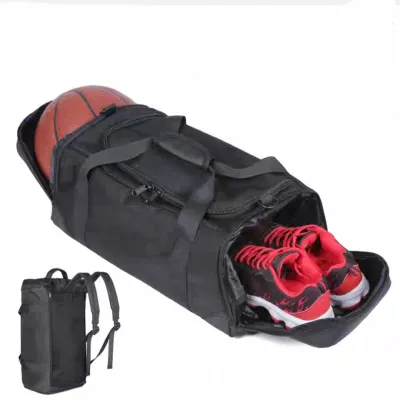
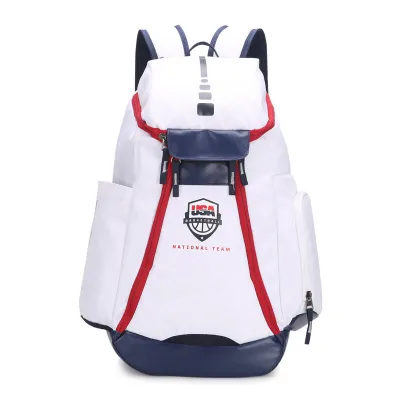
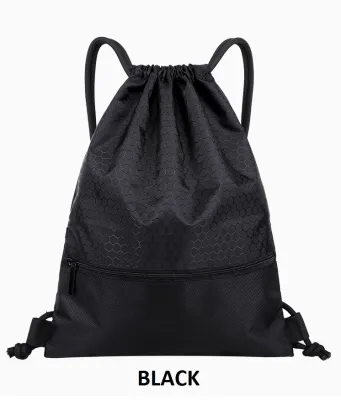
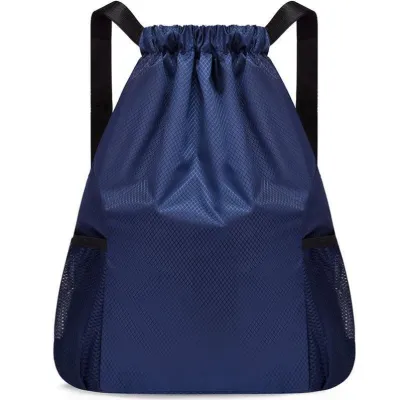
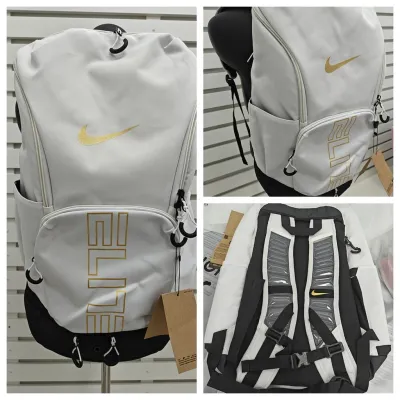
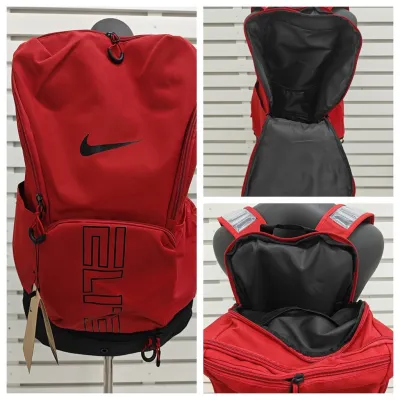
Prices are valid at publication and may change. Please refer to the product page for the latest price.
External storage options greatly enhance the daily utility of your backpack. Look for deep, elasticated external mesh pockets on the sides of the bag to secure large water bottles or shaker cups. These pockets should be deep enough to prevent bottles from slipping out when you run for a bus or bend over to pick up your gear. Quick-access zippered side pockets are also useful for storing items you need to grab quickly, such as athletic tape, grip powder, or whistle sets.
Post-game organization requires a reliable wet and dry separation system. Sweaty jerseys, socks, and damp towels should never mix with your clean clothes or electronics. Look for backpacks that feature a dedicated, water-resistant wet pocket or an expandable dry bag insert. This barrier prevents moisture and sweat from seeping into the main compartment, protecting your clean gear and reducing the spread of odor-causing bacteria throughout the fabric of the bag.
Evaluating Shoe Compartments and Ball Carrying Options
Footwear is often a basketball player’s most significant investment, making a dedicated shoe compartment a non-negotiable feature. This compartment must be large enough to comfortably house high-top basketball shoes, which are naturally bulkier than standard running sneakers. Before purchasing, verify that the compartment can accommodate your specific shoe size, especially if you wear a US size 11 or larger, as some integrated pockets can restrict space in the main compartment when fully loaded. Proper ventilation, such as metal grommets or mesh panels, is essential to allow air to circulate and dry out damp shoes after a hard game.

Carrying a basketball requires a secure, stable solution that does not compromise internal storage space. Many specialized backpacks feature an external ball carrying system, such as an integrated mesh net that zips away when not in use, or adjustable compression straps that secure the ball against the front of the bag. Alternatively, some designs offer a dedicated, zippered ball pocket at the bottom or front of the pack. External nets keep the ball secure and dry, while dedicated pockets offer more protection from dirt and weather at the cost of some internal volume.
The choice between internal and external shoe and ball storage involves clear trade-offs in terms of aesthetics and performance. Internal storage keeps your gear completely enclosed, offering a cleaner, more streamlined profile that is easier to manage in crowded spaces. However, this configuration traps heat and moisture inside the bag, which can lead to rapid odor buildup. External carrying options provide superior ventilation and keep dirty outsoles away from your clean clothes, but they make the backpack significantly bulkier and more awkward to carry.
How you distribute the weight of your shoes and ball directly affects the backpack’s center of gravity and overall balance. A poorly designed bag that places a heavy basketball far from your back will pull you backward, straining your shoulders and lower back. Look for designs that position the heaviest items—typically the shoes and the ball—closer to your spine or at the bottom center of the pack. This alignment keeps the load balanced, making long walks to the court much more comfortable and reducing physical fatigue before you even step onto the hardwood.
Checking Comfort, Ergonomics, and Material Durability
Carrying heavy basketball gear, water, and personal items requires a robust suspension system to prevent shoulder and back strain. Look for wide, contoured shoulder straps featuring dense foam padding that distributes weight evenly across your shoulders. An adjustable sternum strap is highly beneficial, as it secures the shoulder straps across your chest, preventing the bag from shifting laterally while you walk or cycle. Additionally, a back panel with deep air-mesh channels promotes airflow, keeping your back cool and dry during warm commutes.
The exterior material of your backpack must withstand the abrasive environments of outdoor courts and varying weather conditions. High-denier polyester or nylon fabrics, such as 600D or 900D weaves, offer excellent resistance to tears and abrasions when the bag is tossed onto concrete or chain-link fences. Water-resistant coatings or polyurethane backings help protect your gear from sudden rain showers, ensuring your dry clothes and electronics remain safe inside.
The bottom of the backpack is subject to the most wear and tear, as it frequently comes into contact with rough asphalt, dusty gym floors, and damp grass. A high-quality basketball backpack should feature a reinforced, padded base made from a durable, water-resistant material like tarpaulin or heavy-duty rubberized fabric. This extra layer of protection prevents moisture from seeping up from the ground and cushions your gear, particularly your laptop or tablet, from hard impacts when setting the bag down.
Proper weight distribution is a product of both bag design and how you pack. When a backpack is fully loaded with a size 7 basketball, a pair of high-tops, and a full water bottle, the total weight can easily exceed several kilograms. Ergonomic designs feature internal compression straps that pull the contents closer to your back, preventing the load from sagging. This keeps the weight centered over your hips, which is the most efficient way for your body to carry a heavy load over extended distances.
Matching Backpack Features to Your Commute and Playing Style
Your daily commute plays a significant role in determining the ideal size and profile of your basketball backpack. If you primarily travel by public transit, such as buses or trains, a massive, bulky bag with external ball nets can easily bump into other passengers and make navigating tight spaces difficult. In these scenarios, a streamlined bag with internal compartments or a detachable ball mesh is often more practical. Conversely, if you drive to the court, a larger, high-capacity bag that can be easily tossed into the trunk or backseat offers maximum convenience without transit-related space constraints.
In humid tropical climates like Singapore, ventilation becomes the single most critical factor in preventing mold, mildew, and persistent odors. High humidity slows down the drying process of sweaty jerseys and damp shoes, creating an ideal breeding ground for bacteria. Selecting a backpack with extensive mesh paneling, dedicated ventilation grommets, and quick-drying synthetic linings is essential for maintaining hygiene. Leaving damp gear sealed in a non-ventilated bag in a warm environment can ruin both the gear and the backpack within a matter of days.
Your specific playing style and physical preparation needs also dictate the amount of storage space you require. Players who rely on extensive supportive gear, such as bulky knee braces, ankle guards, foam rollers, or resistance bands, will need a bag with a larger overall volume, typically between 35 and 45 liters. If you carry multiple jerseys for tournament play or extra change of clothes for post-game social events, prioritize a bag with flexible, expandable compartments that can adapt to varying load sizes.
The frequency of your play should guide your investment in material durability. Casual players who hit the court once a week may find a standard, lightweight sports bag perfectly adequate for their needs. However, daily players, student-athletes, or those participating in intense league play require a heavy-duty backpack built to withstand constant opening, closing, and rough handling. Investing in a premium bag with reinforced stress points and heavy-duty hardware will save money in the long run by avoiding premature wear and zipper failures.
Pre-Purchase Inspection Checklist for Zippers and Seams
Before finalizing your purchase, conducting a thorough physical inspection of the backpack’s hardware can prevent future failures on the court. Zippers are the most common failure point on heavily loaded sports bags, so pay close attention to their construction. Look for thick, heavy-duty zippers, preferably from reputable manufacturers, that glide smoothly without catching on the surrounding fabric. Weather-resistant zipper flaps or polyurethane-coated zippers are excellent additions, as they prevent water from leaking through the zipper teeth during rainy commutes.
Examine the stitching at high-stress areas, particularly where the shoulder straps, top handle, and sternum straps attach to the main body of the backpack. These connection points bear the brunt of the load when the bag is fully packed with heavy shoes and a basketball. Look for reinforced stitching patterns, such as box-X stitches or double-row stitching, which distribute tension and prevent the fabric from tearing away under strain. Loose threads or uneven seams are immediate red flags indicating poor quality control.
Test the adjustability and overall quality of all plastic buckles, tensioners, and strap adjusters. The buckles should snap together securely with a crisp click and remain locked under tension, without slipping when you pull on the straps. Ensure that the adjustment straps slide smoothly through the buckles when you want to tighten or loosen them, yet hold their position firmly once adjusted. High-quality hardware is typically made from dense, impact-resistant plastics that can withstand accidental drops or being stepped on in the locker room.
Finally, review the manufacturer’s warranty and return policy to protect your purchase against structural defects. A reputable sports brand will often offer a limited warranty covering manufacturing defects in materials and workmanship for a set period, such as one or two years. Understanding what is covered—such as broken zippers, torn seams, or failing buckles—gives you peace of mind and ensures you can secure a replacement or repair if your bag experiences premature failure under normal use.
Frequently Asked Questions (FAQ)
Can I use a regular hiking or school backpack for basketball gear?
While you can technically use a standard school or hiking backpack, these bags generally lack the specialized compartments required for basketball gear. Standard backpacks rarely feature ventilated shoe compartments, meaning your dirty, sweaty sneakers must sit in the same space as your clean clothes or schoolbooks, leading to odor transfer and dirt buildup. Furthermore, standard bags do not have secure, bounce-free external ball carrying solutions, forcing you to carry the ball in your hands or stuff it inside, which completely consumes the bag’s internal volume. A standard bag is only sufficient for casual, infrequent play where you do not need to carry a full-sized ball or extra footwear.
How do I clean and maintain a basketball backpack to prevent odors?
To keep your basketball backpack fresh, empty all compartments immediately after every use and allow the bag to air-dry completely in a well-ventilated area. For regular cleaning, wipe down both the interior and exterior surfaces with a damp microfiber cloth and a mild, non-abrasive soap solution. Avoid using harsh chemical detergents, bleach, or machine washing, as these can strip away water-resistant coatings and damage the structural integrity of the seams and zippers. To combat persistent odors in the shoe and main compartments, place natural odor-absorbing inserts, such as activated charcoal bags or cedar sachets, inside the compartments when the bag is not in use.
What capacity is needed for players carrying academic items and recovery gear?
For student-athletes or players who need to carry a mix of academic materials, electronics, and recovery gear, a backpack capacity of 35 to 45 liters is highly recommended. This volume provides enough space to house a size 7 basketball, a pair of high-top shoes, a 15-inch laptop, textbooks, and recovery tools like massage rollers or resistance bands. When carrying such a diverse load, look for a bag with a dedicated, padded laptop compartment located close to the back panel to protect your electronics from the pressure of your sports gear. Balancing this capacity with ergonomic features, such as a sternum strap and padded back support, is essential to minimize physical strain on your shoulders and spine during long days.

Community discussion
Share your experience or ask a question. Comments are reviewed before publication.