
Selecting the right wrist straps for your gym workouts in Singapore requires balancing your training goals with the practical demands of a humid climate. The ideal strap is not a universal accessory; it depends on whether you are pulling heavy deadlifts, performing high-volume rows, or practicing dynamic Olympic lifts. Because Singapore’s high humidity leads to rapid sweat accumulation, your choice of material and design directly impacts both grip security and gear lifespan. Understanding how different materials behave under tension and how various strap styles function helps you make an informed decision that supports your strength progression safely.
Why You Need Wrist Straps for Weightlifting
During heavy pulling movements like deadlifts, barbell rows, and lat pulldowns, your target muscles are often much stronger than your grip. As weights increase, your hand and forearm muscles may fatigue long before your primary muscles receive an adequate training stimulus. Wrist straps solve this bottleneck by mechanically linking your wrists directly to the barbell, dumbbell, or cable attachment. This transfer of tension allows you to focus entirely on executing the movement with proper form, ensuring grip fatigue does not prematurely end your set.
It is crucial to distinguish wrist straps from wrist wraps, as these accessories serve entirely different purposes. Wrist straps are designed exclusively for pulling exercises to assist your grip by securing your hands to the weight. In contrast, wrist wraps are stiff bands wrapped tightly around the wrist joint to provide compression and structural support during heavy pushing movements, such as the bench press or overhead press. Using the wrong accessory reduces training efficiency and can lead to improper joint alignment.
Products mentioned in this guide
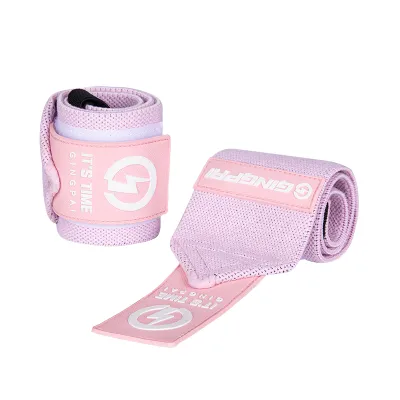
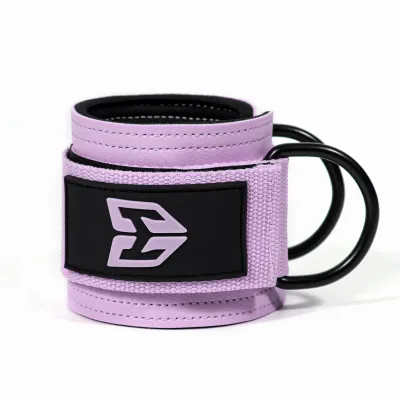
Prices are valid at publication and may change. Please refer to the product page for the latest price.
While wrist straps are highly effective, introduce them mindfully to avoid neglecting raw grip strength development. Relying on straps for every warm-up set can lead to underdevelopment in your forearms. A balanced approach is to perform your lighter warm-up sets without straps, allowing your natural grip to adapt. Once the weight reaches a threshold where your grip begins to slip or detracts from your lifting technique, apply the straps for your working sets to maximize muscle stimulation safely.
Key Factors to Consider When Choosing Wrist Straps
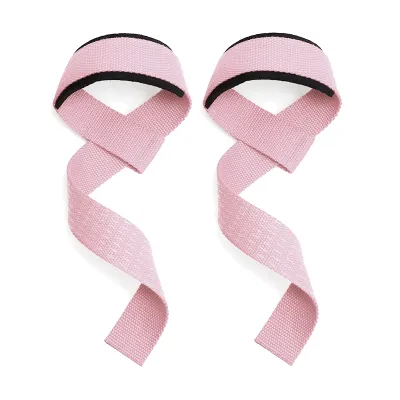
When evaluating wrist straps, material composition is critical, especially in Singapore’s warm training environments. Cotton is popular because it is soft, comfortable, and relatively inexpensive. It absorbs sweat well, helping maintain a dry interface, but it also stretches under extreme loads and requires frequent washing to prevent odor. For lifters training in non-air-conditioned spaces, cotton offers immediate comfort but may wear out faster than synthetic alternatives.

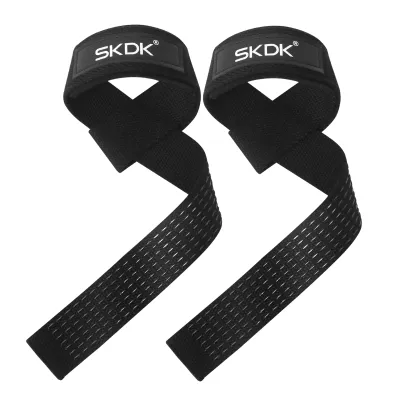
Nylon is exceptionally strong and durable, exhibiting virtually no stretch, which is excellent for transferring maximum force. However, nylon is naturally slicker than cotton and can slide against the barbell if your hands are wet with sweat. It is also a stiffer material that can dig into your skin during heavy pulls, which is why many nylon straps feature integrated neoprene padding around the wrist loop. If you choose nylon, verify that the strap has a textured weave to improve friction.
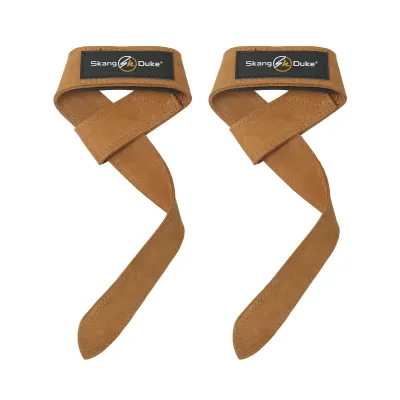
Leather straps offer a premium, highly durable option that gradually molds to your wrists over time. This customized fit provides excellent comfort once broken in. However, leather requires a dedicated break-in period during which it may feel stiff. Additionally, leather does not absorb sweat; moisture can sit on the surface, potentially causing the strap to slip if you do not use gym chalk. Leather also requires specialized maintenance to prevent cracking in humid conditions.
Beyond material, assess the physical dimensions of the strap. Standard lasso straps typically measure 20 to 24 inches in length and 1.5 inches in width. A wider strap distributes the load across a larger surface area, reducing localized pressure. A longer strap allows for multiple wraps around the barbell, increasing security but taking longer to set up. If you have smaller hands, a slightly shorter or narrower strap may provide a more secure wrap without excess bulk.
Stitching quality is the primary indicator of a strap’s structural integrity. Look for reinforced box-X stitching at the main loop joint, where the strap folds over itself. Single-line stitching or loose, uneven threads are clear warning signs of poor manufacturing that could fail suddenly under heavy loads. Because a strap failure during a heavy lift can lead to acute injury, prioritizing robust construction over the cheapest price point is a fundamental safety practice.
Finally, consider ease of use and speed of application, particularly if your workouts involve supersets or high-volume lifting. Some strap designs require a meticulous wrapping process that can disrupt your training flow. If you prefer seamless transitions, look for designs that allow you to secure and release the bar quickly. Balancing convenience with the level of security required for your specific lifts will help you choose a strap that integrates smoothly into your gym sessions.
Types of Wrist Straps and Their Best Use Cases
Traditional lasso straps are the most versatile and widely used design, making them an excellent starting point. They feature a loop at one end through which the tail of the strap is threaded, creating an adjustable wrist cuff. This design allows you to tighten the strap securely regardless of your wrist size. Lasso straps are highly adaptable and suitable for a wide range of exercises, including deadlifts, rows, and pull-ups, though they require some practice to wrap tightly with one hand.
Olympic lifting straps, often called single-loop or speed straps, are designed specifically for dynamic movements like snatches and cleans. Unlike lasso straps, they consist of a simple closed loop that does not thread back through itself. This design offers a shorter tail that wraps around the bar only once. The primary benefit of Olympic straps is their quick-release capability; if you fail a heavy snatch and need to drop the barbell, the strap easily slides off, preventing your wrists from being pulled into a dangerous, hyperextended position.
Figure-8 straps are engineered for maximum security and are favored by powerlifters and strongman competitors. Shaped like the number eight, you slide your wrist through one loop, pass the middle section under the barbell, and then thread your wrist through the second loop. This configuration locks your hand directly to the bar, making it virtually impossible for your grip to fail. While they provide unmatched security, they do not allow for a quick release, meaning they should only be used for controlled, vertical pulling movements.
When choosing between these designs, weigh the trade-offs of padded versus unpadded options. Padded straps feature a layer of neoprene sewn into the section that contacts your wrist, which significantly reduces friction and prevents the material from cutting into your skin during heavy lifts. However, unpadded straps offer a thinner profile, allowing for a closer, more tactile connection to the barbell’s knurling. Many advanced lifters prefer unpadded straps because they feel more connected to the weight and can better sense the bar’s rotation.
How to Properly Use and Maintain Your Wrist Straps
To ensure safety and effectiveness, master the correct wrapping technique. Begin by threading the tail of the strap through the loop to create a cuff, then slide your hand through. The tail of the strap should run flat along your palm, aligned in the direction of your thumb. When approaching the barbell, place your hand over the bar and wrap the tail under and around the bar in the opposite direction of your fingers. Once wrapped, use your fingers to twist the strap and the bar toward you, pulling all slack out until the connection is completely snug.
Before initiating any lift, perform a quick safety check. The strap should wrap around the bar at least once, and preferably one and a half to two times for lasso designs, without overlapping itself excessively, which can create an unstable grip. Ensure that tension is distributed evenly across your wrist joint rather than pulling solely on one side. If you feel any pinching, sharp pain, or a loss of sensation in your fingers, release the strap immediately and re-wrap it to avoid compressing nerves.
Proper maintenance is essential for preserving structural integrity, especially in Singapore’s humid climate where sweat can degrade materials quickly. Cotton straps should be hand-washed regularly in cool water with a mild detergent to remove sweat salts and chalk buildup, then hung to air-dry completely in a well-ventilated area. Avoid machine washing or tumble drying cotton straps, as high heat can cause them to shrink and weaken the fibers.
Synthetic materials like nylon require less intensive care but still benefit from routine maintenance. Wipe nylon straps down with a damp cloth and mild soap after sweaty sessions, ensuring they are completely dry before storing them. For leather straps, never submerge them in water or use harsh chemical cleaners, as this will strip the natural oils and cause cracking. Instead, wipe them with a slightly damp cloth and apply a small amount of leather conditioner every few months to keep the material supple.
Regardless of the material, routinely inspect your wrist straps for observable signs of wear. Look closely at the stitching around the loop joint for any loose, frayed, or broken threads. Examine the edges of the strap for thinning or tearing, particularly where the material contacts the sharp knurling of the barbell. Because straps are subjected to extreme tension, a minor tear can quickly turn into a catastrophic failure under load. If you observe any structural degradation, retire the straps immediately.
Where to Buy Reliable Gym Wrist Straps in Singapore
When looking to purchase wrist straps in Singapore, visiting specialized sports retailers or dedicated strength equipment showrooms is highly recommended. Physical stores allow you to handle the straps directly, giving you the opportunity to assess material stiffness, padding thickness, and stitching quality. Testing the fit in person is particularly valuable if you have smaller or larger wrists, as it ensures the loop can be adjusted to a secure and comfortable position before you commit to a purchase.
If you prefer online shopping, navigating reputable ecommerce platforms and official brand stores is a viable alternative. When buying online, verify the authenticity of the seller to avoid counterfeit fitness gear, which often uses substandard materials and weak stitching that can fail under load. Look for official flagship stores or authorized distributors on local online marketplaces. Reading customer reviews can provide valuable insights into how the straps perform in real-world conditions and whether the stitching holds up over time.
Before finalizing an online purchase, carefully review the retailer’s return policies and sizing guarantees. While standard lasso straps are generally one-size-fits-all, other designs like figure-8 straps and certain padded models come in specific sizes based on wrist circumference. A flexible return or exchange policy ensures that if the straps do not fit securely or feel comfortable upon arrival, you can easily exchange them for the correct size. Prioritizing sellers that offer clear product specifications and responsive customer support will help ensure a safe purchase.
Frequently Asked Questions (FAQ)
Are wrist straps considered cheating in powerlifting competitions?
In official powerlifting competitions governed by federations such as the International Powerlifting Federation (IPF) and its local affiliates in Singapore, wrist straps are strictly prohibited during competitive lifts. Powerlifting rules require athletes to demonstrate raw grip strength as part of the lift, meaning you must hold the barbell using only your hands and approved chalk. However, wrist straps are widely accepted and highly encouraged during training cycles. They allow powerlifters to accumulate high training volume on pulling movements without being limited by grip fatigue, helping to build the necessary muscular strength and hypertrophy.
How tight should I wrap my wrist straps around the barbell?
Your wrist straps should be wrapped tightly enough to eliminate all slack between your wrist and the barbell, creating a secure, direct transfer of weight. When properly tensioned, you should feel the load of the barbell pulling directly against your wrists rather than relying solely on your finger strength. However, the wrap should not be so tight that it pinches your skin, restricts joint mobility, or cuts off blood circulation. If you experience numbness, tingling, or a cold sensation in your fingers, the straps are too tight and should be loosened immediately to prevent nerve compression.
Can I use the same wrist straps for both pulling and pushing exercises?
No, wrist straps are designed exclusively for pulling exercises where your grip is the limiting factor, such as deadlifts, rows, and pull-ups. They function by wrapping around the bar to assist your grip, which is mechanically useless and potentially dangerous during pushing exercises like the bench press, overhead press, or shoulder press. Using straps during pushing movements can interfere with your hand placement, restrict your ability to safely dump the bar in an emergency, and fail to provide the joint stabilization you need. For pushing exercises, you should use wrist wraps, which wrap tightly around the wrist joint to provide structural support and compression.

Community discussion
Share your experience or ask a question. Comments are reviewed before publication.