
Finding the right running vest for men is not as simple as picking a highly rated brand off the shelf. True breathability depends on specific fabric technologies, strategic mesh placements, and structural cuts rather than a prestigious logo. While one brand might excel at ultra-lightweight minimalist designs, another might focus on structured trail vests that prioritize gear capacity over absolute airflow. The most suitable choice is always conditional, aligning with your personal sweat rate, the local climate, and your specific gear-carrying requirements.
To make an informed purchase, you must look past marketing buzzwords and evaluate the physical construction of the garment. Key features such as laser-cut perforations, engineered mesh panels, and open-back designs serve as reliable indicators of how well a vest will perform under pressure. By understanding how these design elements interact with your body’s natural heat zones, you can objectively compare different brands and select a vest that keeps you comfortable and dry.
Key Breathability Features to Check Before Comparing Brands
Before comparing specific brands, you need to know what physical features actually drive ventilation. The foundation of any breathable running vest is its fabric composition and weave. When examining product labels, look for high-performance synthetic blends, typically dominated by polyester or nylon. These fibers are inherently hydrophobic, meaning they resist absorbing water and instead push moisture to the outer surface where it can evaporate. Many manufacturers also apply specialized moisture-wicking treatments to these fibers, which temporarily enhances their capillary action to pull sweat away from your skin.
Products mentioned in this guide
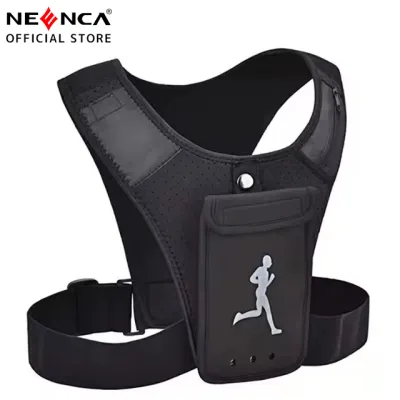
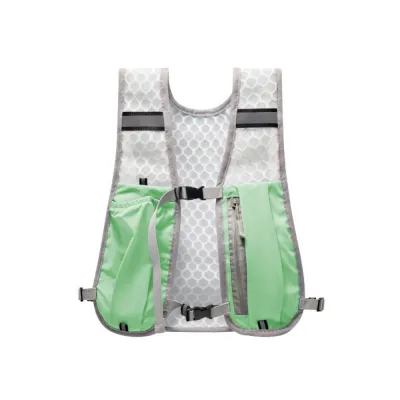
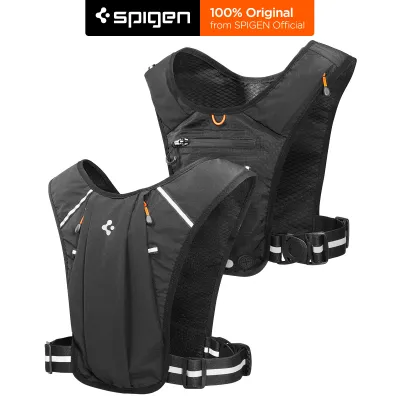
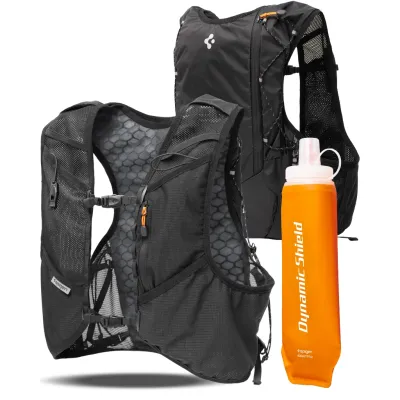
Prices are valid at publication and may change. Please refer to the product page for the latest price.
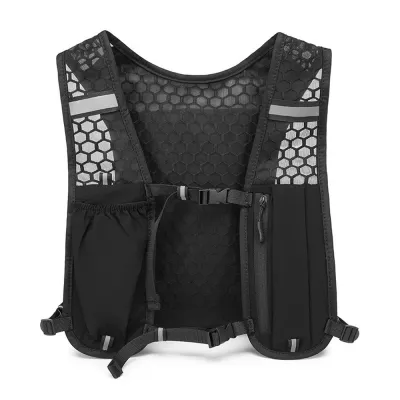
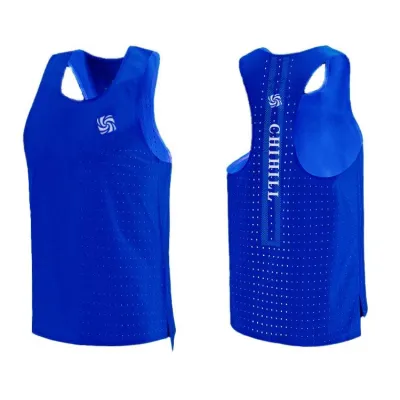
Beyond the raw materials, the physical structure of the fabric determines how much air can pass through. Engineered mesh panels are a critical feature to look for, particularly in high-sweat zones like the center of the back, under the arms, and across the chest. Unlike standard solid knit fabrics, engineered mesh features varying knit densities that create visible, breathable pores without compromising the structural integrity of the vest. Laser-cut perforations offer another highly effective ventilation method, utilizing precise lasers to burn tiny, clean-edged holes into high-friction areas where traditional mesh might cause structural weakness or skin irritation.
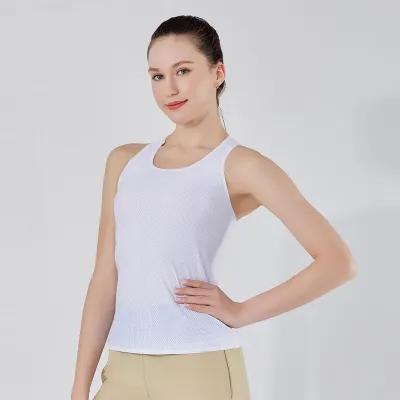
The overall silhouette and cut of the vest also play a massive role in how air circulates around your torso. A vest that fits too tightly can trap a layer of hot, humid air against your skin, causing the fabric to cling uncomfortably as you sweat. Conversely, an overly loose vest can bounce, causing painful chafing over long distances. Look for ergonomic cuts, such as racerback or open-back designs, which minimize fabric coverage over the shoulder blades and upper back. This structural reduction not only cuts down on weight but also maximizes exposure to natural breezes, allowing heat to escape freely from your body’s primary cooling zones.
Comparing Design Approaches Across Popular Running Brands
Different running apparel brands approach the challenge of breathability through distinct design philosophies, each catering to specific running styles and environments. The first major category consists of minimalist and ultra-light mesh designs. Brands that champion this approach focus on stripping away every non-essential gram of fabric to maximize airflow. These vests often feature thin, highly porous mesh throughout the entire back panel and wide armholes to encourage unrestricted air circulation. This style is highly suited for high-intensity road running or track workouts where speed is the priority and gear-carrying needs are virtually non-existent.

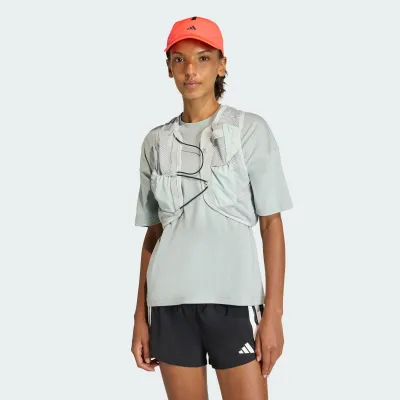
The second category involves structured and hybrid designs, which are favored by brands designing for variable weather conditions. These vests typically utilize a dual-fabric construction: a lightweight, wind-resistant or water-repellent solid fabric on the front panel to protect your chest from chilly headwinds, paired with a highly breathable mesh or perforated fabric on the back panel to dump heat. This hybrid approach is highly practical for early morning runs, evening sessions, or transitional seasons where you need a balance of light protection and active ventilation. It prevents the wind from chilling your core while ensuring you do not overheat as your heart rate rises.
The third category focuses on hydration and trail-running vests, which are built to carry soft flasks, hydration reservoirs, phones, keys, and nutrition. Because these vests must support significant weight, they require more robust, structured materials that naturally cover more of your torso. To combat the heat buildup caused by this extra coverage, premium trail brands integrate advanced 3D mesh linings or suspended mesh back panels. These structures create a physical gap between the vest’s cargo compartment and your back, allowing air to flow through the channel even when the vest is fully loaded. When comparing these brands, look closely at how the harness system distributes weight, as a poorly fitting hydration vest will press flat against your skin and completely block airflow.
Matching Vest Breathability to Hot and Humid Conditions
Running in hot and humid environments, such as the tropical climate of Singapore, presents unique challenges that demand specialized gear choices. In high humidity, the air is already saturated with moisture, which severely slows down the evaporation of sweat from your skin. Because evaporation is your body’s primary mechanism for cooling down, wearing a vest made of heavy fabrics or one with excessive, overlapping pockets can quickly lead to heat trapping and premature fatigue. For these conditions, prioritizing rapid-drying, single-layer mesh fabrics is essential to assist your body’s natural thermoregulation.
Another critical factor to balance is sun exposure versus airflow. While open-weave mesh and minimalist cuts offer the best ventilation, they provide very little protection against intense ultraviolet (UV) rays. If you frequently run during peak daylight hours, look for vests that combine high-UPF (Ultraviolet Protection Factor) solid fabrics on the shoulders and upper back with highly breathable mesh panels along the sides and lower back. Opting for light-colored fabrics can also help by reflecting solar radiation, whereas dark fabrics will absorb heat and increase your core temperature even if they are highly breathable.
You must also consider how your gear load impacts the vest’s breathability during a run. When you pack soft flasks into front harness pockets or slide a phone into a back sleeve, the weight pulls the fabric taut against your body. This tension flattens the air gaps that normally allow ventilation, turning a breathable fabric into a heat-trapping barrier. To mitigate this, look for vests with structured, external pocket designs that keep gear separated from the primary next-to-skin layer. Additionally, distributing your gear evenly across the vest prevents any single area from becoming completely sealed against your skin.
Decision Framework: Which Vest Design Fits Your Needs?
To select the right running vest, you must match your specific running profile and environmental conditions to the correct design category. If your primary goal is maximum airflow during short, high-intensity road runs in peak heat, choose a minimalist mesh design. These vests offer the least restriction and the highest rate of heat dissipation, making them ideal for keeping your core cool when you are pushing your pace.
If you frequently run in the early morning or late evening when temperatures fluctuate, or if you encounter variable coastal breezes, a structured hybrid design is the more appropriate choice. The wind-resistant front panel protects your chest from sudden chills, while the breathable back panel ensures that sweat does not pool and cause discomfort as you warm up.
For long-distance trail runs or self-supported training sessions where carrying hydration and nutrition is mandatory, opt for a specialized trail or hydration vest. Before purchasing, verify that the back-panel features a distinct 3D mesh or suspended frame structure to maintain a ventilation channel under heavy loads.
Regardless of the design you choose, always perform a physical check of the shoulder straps and armhole cuts. When synthetic fabrics become saturated with sweat, any rough seams or tight edges can cause severe chafing against your skin. Ensure the armholes are cut wide enough to allow a full range of motion without rubbing against your underarms, and verify that the shoulder straps distribute weight smoothly without digging in.
Care and Maintenance to Preserve Fabric Breathability
Proper care and maintenance are essential to preserve the technical performance and breathability of your running vest over time. The most critical rule is to avoid using fabric softeners or heavy, scent-heavy detergents. Fabric softeners work by leaving a thin, waxy chemical coating over the fibers to make them feel softer. While this might be pleasant for casual wear, it clogs the micro-pores of technical mesh and ruins the capillary action of moisture-wicking treatments, permanently reducing the vest’s breathability and causing it to retain odors.
When washing your running vest, always use cold water and select a gentle or delicate cycle. High water temperatures can break down the elastic fibers, such as elastane or spandex, that give the vest its form-fitting stretch. Cold water, paired with a mild, sports-specific liquid detergent, is highly effective at removing sweat salts and bacteria without damaging the delicate laser-cut edges or heat-bonded seams common in premium running apparel.
Finally, never put your technical running vest in a tumble dryer. The intense heat of a dryer can warp synthetic fabrics, melt bonded seams, and degrade the elasticity of the shoulder straps. Instead, gently squeeze out excess water—without wringing or twisting the fabric—and hang the vest to air-dry in a well-ventilated area away from direct sunlight. Drying your vest in the shade prevents UV rays from weakening the synthetic fibers and ensures the garment retains its shape and high-performance ventilation properties for many miles to come.
Frequently Asked Questions (FAQ)
Does a running vest replace a moisture-wicking base layer?
A running vest does not automatically replace a high-quality, moisture-wicking base layer, and the decision to wear one alone depends on your comfort and the running environment. Wearing a vest directly against your skin can significantly increase the risk of painful chafing, especially around the armholes, neck, and chest seams as you move. A lightweight, technical t-shirt or singlet acts as a protective barrier, absorbing initial sweat and preventing the vest’s straps from rubbing directly against your skin. However, if you choose to wear a vest alone in extreme heat, ensure it is specifically designed with flatlock or bonded seams and a soft, non-abrasive inner lining to minimize friction.
How can I physically test a vest's breathability in-store?
You can perform several quick, practical checks in-store to evaluate a vest’s ventilation capabilities before buying. First, try the simple blow test: hold a single layer of the vest’s main fabric or back mesh close to your mouth and blow gently through it. If you feel your breath pass through easily on the other side, the fabric offers excellent air permeability. Next, hold the vest up to the store’s overhead lights to check light transmission; areas where you can clearly see light filtering through indicate a highly open, breathable weave. Finally, stretch the shoulder straps and side panels to assess their recovery, ensuring the fabric maintains its open structure even when stretched taut.

Community discussion
Share your experience or ask a question. Comments are reviewed before publication.