
When evaluating whether a premium Nalgene 16oz bottle is worth the investment compared to budget sports bottles, you must first address a widespread misconception: the classic Nalgene 16oz Wide Mouth bottle is made of single-wall Tritan plastic and offers absolutely no thermal insulation. If your primary goal is to keep your beverages ice-cold during a humid outdoor workout, comparing a standard plastic Nalgene to a budget bottle on the basis of temperature retention will lead to disappointing results. For true thermal performance, you must look instead to Nalgene’s specific double-wall vacuum-insulated stainless steel lines or pair a classic plastic bottle with an insulated neoprene sleeve.
Determining whether the premium price of a branded bottle is justified requires a careful look at your daily routine, hydration habits, and environment. While a high-end bottle offers distinct advantages in material safety, impact resistance, and long-term component availability, a budget-friendly alternative might serve you perfectly well depending on where and how you exercise. By verifying the exact materials, lid designs, and replacement options, you can make an informed choice that balances upfront cost against active durability.
Understanding Nalgene 16oz Insulation Capabilities
To establish a factual baseline for your purchase, it is essential to distinguish between the different materials used in the Nalgene 16oz lineup. The most famous model is constructed from Tritan co-polyester, which is a lightweight, single-wall plastic. Because it lacks a secondary wall or a vacuum barrier, heat transfers through the material rapidly. In a warm, tropical climate like Singapore’s, a single-wall bottle filled with ice water will quickly develop heavy condensation on the exterior, potentially soaking the contents of your gym bag or leaving puddles on your desk.
Products mentioned in this guide
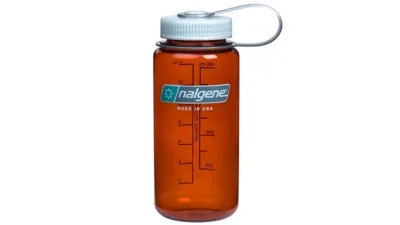
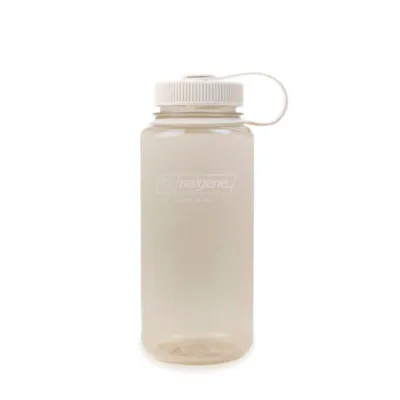
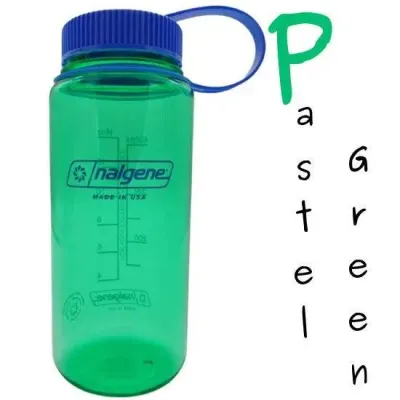
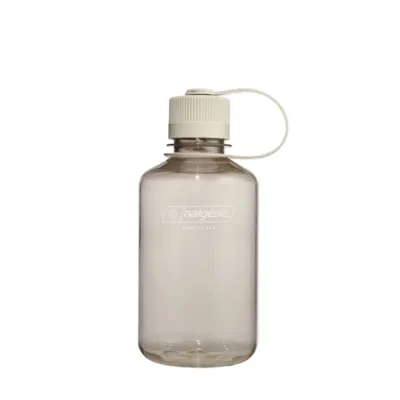
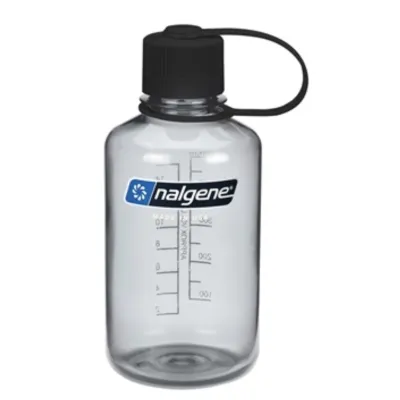
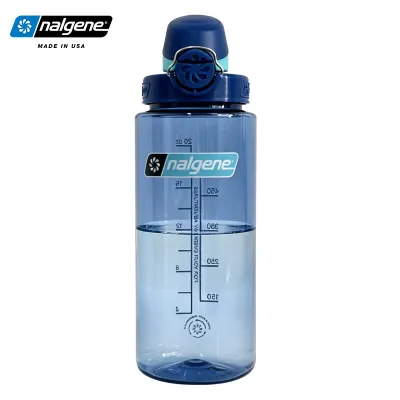
Prices are valid at publication and may change. Please refer to the product page for the latest price.
If temperature retention is your priority, you must verify the product specifications to ensure you are purchasing a double-wall vacuum-insulated stainless steel model. These insulated versions feature an inner and outer wall with the air evacuated between them, which drastically slows down heat transfer. When browsing options, always check the manufacturer’s product label or official specifications to confirm the verified hours of cold or hot retention, as these ratings vary significantly between plastic, single-wall steel, and vacuum-insulated steel.
When comparing a classic single-wall Nalgene to a budget single-wall plastic bottle, their thermal performance is virtually identical. Both will allow cold drinks to warm up to ambient temperature within an hour or two when exposed to outdoor heat. Therefore, if you do not plan to buy a specialized insulated model or an aftermarket insulating sleeve, paying a premium for a classic plastic bottle will not grant you any advantage in keeping your water cold.
Comparing Material Safety and Active Durability
Beyond temperature control, the physical resilience and chemical safety of your bottle are critical factors during active use. Premium sports bottles are widely recognized for using high-grade, BPA-free materials like Tritan, which do not leach chemicals or retain stubborn odors over time. When evaluating budget sports bottles found on online marketplaces or in local discount shops, you must actively inspect the packaging or the bottom of the bottle for food-grade certifications, such as BPA-free and BPS-free labels, to ensure the plastic is safe for repeated daily use.

The durability of the lid and closure mechanism is another area where premium and budget bottles diverge. Branded bottles typically feature heavy-duty, integrated loop-tops or precision-threaded caps designed to withstand high pressure and prevent leaks when compressed inside a stuffed backpack. Budget bottles, by contrast, often utilize simpler push-pull spouts or thin plastic flip-caps. While these budget designs are highly convenient for quick sips, they are generally more prone to accidental opening under pressure or cracking if the bottle is dropped.
Impact resistance is a major consideration if you participate in high-impact outdoor activities, such as trail running or hiking along rocky paths. A premium Tritan bottle is engineered to survive significant drops onto hard surfaces without cracking, making it a reliable companion for rugged environments. However, if your fitness routine is confined to low-impact, controlled settings—such as an air-conditioned yoga studio, a spin class, or a local community gym—the extreme impact resistance of a premium bottle may be unnecessary, and a lightweight budget bottle will easily suffice.
Evaluating Price, Warranties, and Long-Term Value
While the upfront cost of a premium 16oz bottle is naturally higher than a budget alternative, evaluating the long-term value requires looking at the lifecycle of the product. One of the most significant advantages of choosing a well-established brand is the widespread availability of individual replacement parts. If you lose a cap, wear out a silicone gasket, or want to switch from a wide-mouth lid to a narrow-mouth spout, you can easily purchase these components separately for a few dollars. With budget bottles, replacement parts are rarely available, meaning a lost cap or damaged seal usually forces you to discard the entire bottle.
Warranty coverage also plays a role in determining overall value. Many premium manufacturers offer limited lifetime warranties that cover manufacturing defects, such as structural failures or persistent leaks not caused by ordinary wear and tear. Before purchasing, check the specific warranty terms provided by the manufacturer to understand what is covered. Budget bottles rarely come with any post-purchase support, meaning any defect or premature wear must be absorbed as a total loss.
Despite these benefits, there are specific scenarios where a low-cost bottle is highly practical and financially sensible. If you frequently misplace your gear or are buying a bottle for a child to use at school, the risk of loss is exceptionally high. Leaving a premium bottle behind at a public fitness corner or on a public transit bus represents a notable financial loss. In these high-risk environments, utilizing a budget-friendly bottle ensures that a moment of forgetfulness does not result in an expensive replacement bill.
Decision Framework: Which Bottle Fits Your Routine?
To finalize your decision, match the bottle’s specifications directly to your daily routine and hydration preferences. If your primary requirement is keeping beverages cold for hours during outdoor activities, and you want to avoid condensation, choose a double-wall vacuum-insulated stainless steel bottle, keeping in mind that this will be heavier and more expensive. If you prioritize a lightweight, virtually indestructible bottle for rugged outdoor use and do not mind your water reaching ambient temperature, the classic single-wall Tritan Nalgene is an excellent fit.
Conversely, if you are looking for a straightforward, highly affordable hydration solution for indoor workouts, office use, or situations where you might easily lose your gear, a budget sports bottle is the most practical choice. Before making any purchase, always verify that the bottle’s physical dimensions, lid style, and material composition align with your carrying method—such as fitting securely into your backpack’s side pocket or your bicycle’s bottle cage—and meet your specific temperature requirements.
Frequently Asked Questions (FAQ)
How do I clean a sports bottle to prevent mold and odors?
To maintain proper hygiene and prevent the buildup of mold and unpleasant odors, you should clean your sports bottle after every use. Begin by completely disassembling all lid components, including any removable silicone gaskets, straws, or flip-cap mechanisms, as moisture easily gets trapped in these tight spaces. Wash all parts thoroughly using warm, soapy water and a dedicated bottle brush to reach the bottom of the container. After washing, place all components upside down on a clean drying rack to air-dry completely before reassembling them. Additionally, always check the manufacturer’s label or product packaging to verify the specific dishwasher safety limits, as high heat can warp certain plastics or degrade silicone seals.
Can I put boiling water in a standard plastic sports bottle?
You should avoid pouring boiling water into a standard plastic sports bottle unless the manufacturer explicitly states that the material is rated for high-temperature liquids. Many budget plastic bottles are made from materials like polyethylene or polypropylene, which can warp, soften, or leach chemicals when exposed to extreme heat. Even if a plastic bottle is rated to withstand high temperatures, pouring boiling water inside and sealing the lid immediately can cause rapid pressure buildup as the air inside heats and expands, leading to hot liquid spraying out when opened or causing the seals to fail. For hot beverages, it is always safer to use a double-wall stainless steel bottle specifically designed for thermal retention, or to let your water cool down significantly before filling a plastic container.

Community discussion
Share your experience or ask a question. Comments are reviewed before publication.