
Pairing grip gloves or assistance straps with a pilates bar can transform your home workout, but the decision depends on your routine, the bar’s design, and how your hands handle resistance. While a pilates bar offers a versatile way to mimic reformer exercises at home, the tension from heavy resistance bands can strain your hands and wrists. Choosing the right accessory ensures you maintain control without sacrificing the precise, flowing movements central to pilates.
In a warm, humid home environment, sweat quickly compromises your hold on a smooth metal or foam-wrapped bar. Adding a targeted grip accessory helps stabilize your connection to the equipment, allowing you to focus on core engagement and proper alignment rather than struggling to keep your hands from slipping.
Do You Need Gloves or Straps for Your Pilates Bar?
Look at your hands after a session to determine if you need extra support. If you notice localized redness, friction blisters, or hard calluses forming along the base of your fingers, your skin is absorbing too much shear force. Grip fatigue is another clear indicator; if your forearms burn and your fingers start to slip before your target muscles feel fully worked, your grip is the limiting factor.
Products mentioned in this guide
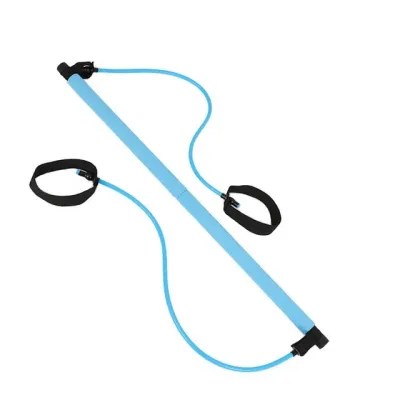
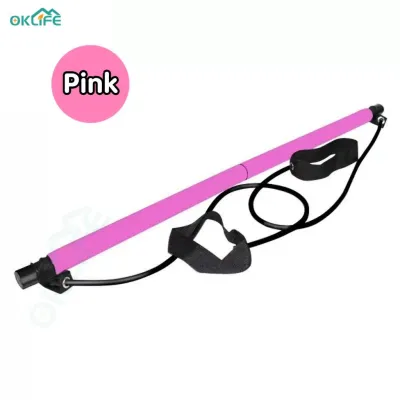
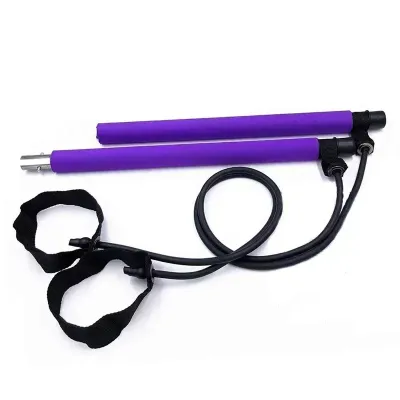
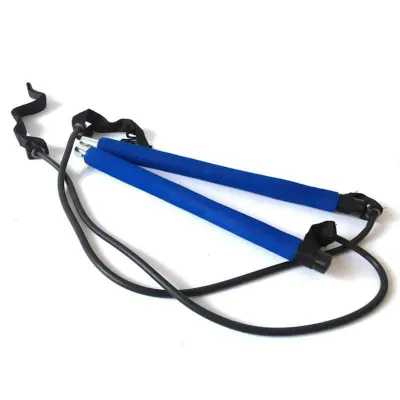
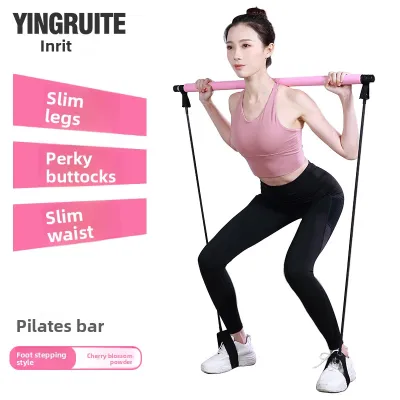
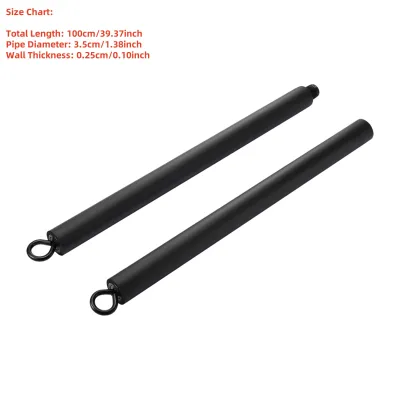
Prices are valid at publication and may change. Please refer to the product page for the latest price.
Not every pilates bar exercise requires accessories. Movements focusing on balance, precision, and light resistance—such as standing side kicks or gentle chest expansions—benefit from bare-hand contact. Bare skin provides immediate tactile feedback, helping you sense minor shifts in the bar’s angle and make micro-adjustments to your posture. Conversely, high-tension exercises like heavy bicep curls, deadlifts, or lat pulldowns place immense pressure on the palms, making protective gear highly beneficial.
Evaluate the physical characteristics of your pilates bar. Many home models feature a thin metal core wrapped in a soft foam sleeve, while others use textured rubber or bare polished steel. Foam sleeves provide decent initial traction but can become slippery when saturated with sweat. Thin bars require a tighter squeeze to hold, which accelerates hand fatigue, whereas thicker bars might strain smaller hands during long hold times. Assessing these physical traits helps you decide whether you need the friction-boosting power of gloves or the load-bearing support of straps.
How to Choose Grip Gloves for Pilates Bar Control
When shopping for gloves to use with a pilates bar, avoid heavily padded weightlifting gloves. Thick gel or foam padding increases the effective diameter of the bar, forcing your fingers further apart and placing extra mechanical strain on your forearms. Instead, look for minimalist gloves with thin, targeted padding or a simple reinforced palm layer. This design protects your skin from friction while allowing your fingers to wrap naturally around the bar.

The material on the palm of the glove determines how well it grips the bar’s surface. Silicone patterning, textured rubber, or high-grip synthetic suede are excellent choices for both foam-wrapped and metal bars. These materials create high friction without requiring you to squeeze the bar with maximum force. Ensure the palm material is rated for sweat resistance, as low-quality synthetics can become slick when wet, defeating the purpose of wearing gloves.
Some pilates bar exercises involve heavy resistance pulls that place your wrists in extreme extension or flexion. If you frequently experience wrist discomfort during these movements, consider gloves that feature integrated, adjustable wrist wraps. These wraps provide external stability to the joint, helping you maintain a neutral wrist position under load. However, ensure the wraps are flexible enough to allow the fluid, rotational movements required in traditional pilates sequences.
A glove that slips or bunches inside your hand can be more frustrating than working bare-handed. Choose a snug, second-skin fit that prevents the fabric from shifting during dynamic transitions. Given the humidity of home workouts, breathability is crucial. Half-finger designs, mesh backings, and moisture-wicking fabrics help keep your hands cool, dry, and comfortable throughout your session.
When and How to Use Assistance Straps With a Pilates Bar
Assistance straps, or lifting straps, are designed to transfer the load of the resistance bands directly to your wrists, bypassing your grip strength. This is particularly useful during heavy lower-body or back-focused exercises, such as pilates-style deadlifts, squats, or bent-over rows. By using straps, you can increase the resistance band tension to challenge your larger muscle groups without worrying about your hands slipping off the bar mid-set.
Different strap designs offer varying levels of security and ease of use. Lasso straps are highly secure and adjustable, making them great for sustained, heavy pulls, though they take a moment to wrap and unwrap. Figure-8 straps are incredibly fast to slip on but offer less flexibility in adjusting the tightness. Speed straps or quick-release grip loops are often the most practical for pilates, as they allow you to quickly release the bar during fast-paced, flowing sequences where you transition rapidly between different exercises.
Pay close attention to the width and edge finish of the straps. Narrow straps concentrate the resistance over a smaller surface area, which can dig painfully into your wrists during heavy exercises. Look for straps that are at least 3.8 to 5 centimeters wide, ideally with neoprene padding around the wrist loop. Additionally, ensure the strap material—whether cotton canvas, nylon, or leather—has soft, finished edges that will not scratch your skin or tear the foam coating on your pilates bar.
While straps are excellent for linear, heavy pulls, they introduce safety risks if used incorrectly. Avoid using assistance straps for exercises that require standing balance, rapid hand position changes, or overhead movements. If you lose your balance while strapped to the bar, you may not be able to release your grip quickly enough to break your fall safely. Keep your strap usage confined to stable, grounded movements where your feet are firmly planted.
Integrating Accessories Safely Into Your Home Routine
To ensure safety and stability, always follow a structured setup sequence. First, secure your grip gloves and ensure they fit snugly without any bunching. Next, attach your resistance bands to the pilates bar and anchor them securely under your feet or to a wall mount. If you are using straps, wrap them around the bar after the bands are fully anchored and tensioned. Double-check that the straps are wrapped in the opposite direction of your fingers’ curl to lock the bar securely in place.
Avoid combining thick, heavily padded weightlifting gloves with assistance straps. The combined bulk makes it nearly impossible to get a secure, natural wrap around a standard pilates bar, increasing the risk of the bar slipping out of your hands. Additionally, never use straps during exercises where you must quickly transition the bar behind your back or over your head, as this can trap your wrists in awkward, injury-prone angles if you lose control.
Pay close attention to physical feedback during your workout. If you experience numbness, tingling, or a cold sensation in your fingers, stop immediately; this indicates that your gloves or straps are wrapped too tightly and are restricting your circulation. Other clear stop conditions include a compromised grip due to accessory bulk, or any sharp joint pain in your wrists or elbows. Equipment should enhance your form, not force you to compensate with poor mechanics.
Always consult the user manual and guidelines provided by your pilates bar manufacturer before introducing third-party accessories. Some bars feature specialized foam coatings or rotating sleeve mechanisms that can be damaged by the abrasive friction of heavy canvas or nylon straps. Verifying compatibility beforehand helps protect your equipment from premature wear and ensures you do not inadvertently void any product warranties.
Frequently Asked Questions (FAQ)
Can I use standard weightlifting gloves for a pilates bar?
While you can physically wear them, standard weightlifting gloves are generally not ideal for a pilates bar. Traditional lifting gloves feature thick palm padding designed to cushion heavy iron barbells, which adds unnecessary bulk to the typically thinner diameter of a pilates bar. This extra thickness alters your hand mechanics, forcing your forearm muscles to work harder just to hold the bar, which can lead to premature fatigue. For pilates, a thinner, high-grip glove or a minimalist gymnastics palm protector is much more effective.
How do I clean grip gloves and straps after sweaty home workouts?
To maintain hygiene and prevent odor buildup, clean your accessories regularly. For synthetic fabrics, neoprene, and cotton straps, hand-washing in cool water with a mild detergent is the safest method. Avoid machine washing or using harsh bleach, which can degrade the grip-enhancing silicone or rubber elements. After washing, gently squeeze out excess water without wringing, and hang them to air-dry in a well-ventilated area away from direct sunlight or heat sources. If your accessories contain leather, use a damp cloth to wipe them down and apply a specialized leather conditioner occasionally to prevent cracking.

Community discussion
Share your experience or ask a question. Comments are reviewed before publication.