
A standard running waist pouch can typically hold between 4 to 8 standard energy gels, depending on the design of the pouch and the size of the packets. While some minimalist zippered pockets might max out at 3 or 4 gels before bouncing uncomfortably, high-capacity tubular running belts can stretch to accommodate up to 10 or 12 gels if packed strategically. However, carrying capacity is not just about how many packets you can squeeze into the fabric; it is about how many you can carry comfortably without the pouch bouncing, chafing, or sliding up your waist during a long run. Finding the right balance between your nutritional needs and your gear’s physical limits is essential for a smooth, distraction-free run.
How Pouch Design Dictates Your Gel Capacity
The structural design and material composition of your running waist pouch are the primary factors determining its carrying capacity. Modern running pouches generally fall into two main categories: tubular, seamless belts and traditional zippered multi-pocket pouches.
Tubular belts are designed as a continuous band of highly elastic fabric that sits flat against your hips. Because the entire circumference of the belt acts as a pocket, these designs offer a high volume-to-weight ratio. You can slide gels around the entire perimeter, often packing 8 to 10 gels comfortably. The elastic tension of the fabric holds the items tightly against your body, minimizing bounce.
Products mentioned in this guide
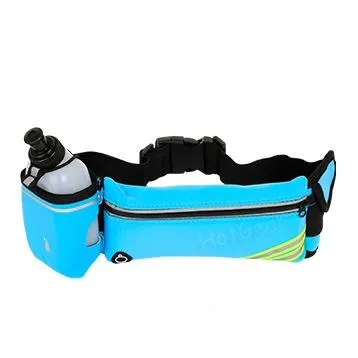
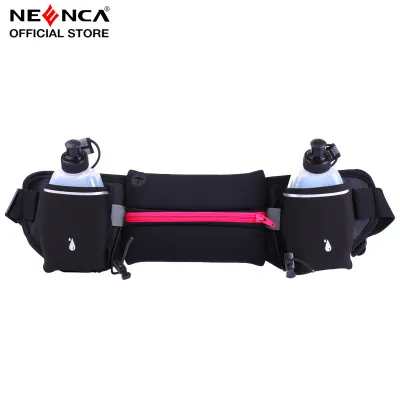
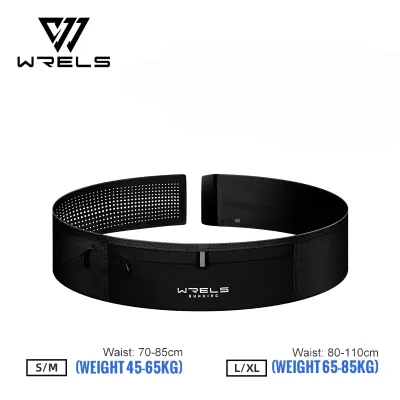
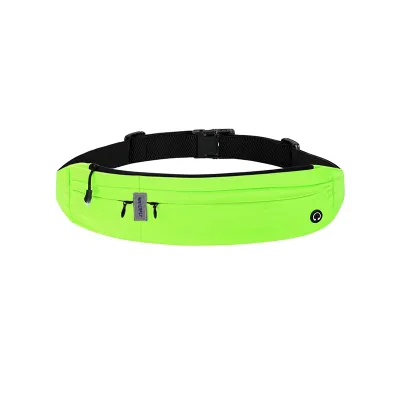
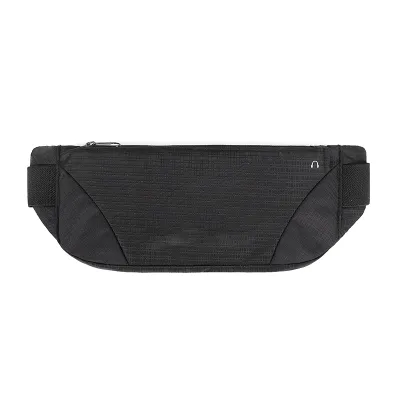
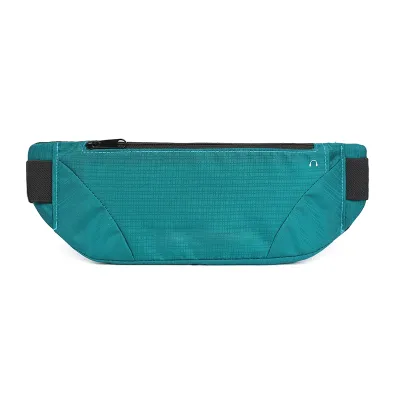
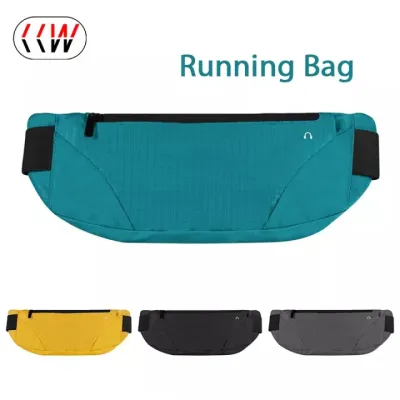
Prices are valid at publication and may change. Please refer to the product page for the latest price.
In contrast, traditional zippered pouches feature a distinct pocket, often made of weather-resistant nylon or neoprene, attached to an adjustable elastic strap. These pouches have a fixed volume. Squeezing more than 4 or 5 gels into a single zippered compartment can create a bulky, rounded shape that pulls away from your body, leading to significant bouncing with every stride.
Many specialized running pouches also feature dedicated external gel loops, elastic dividers, or mesh pockets. External loops allow you to slide individual gels through elastic bands on the outside of the belt. This setup provides quick access and frees up internal pocket space for other essentials, but it exposes the gels to sweat and rain. When packing, you must balance maximum fabric stretch with secure retention. Overstretching the fabric to its absolute limit reduces its ability to snap back, which can cause the pouch to sag or bounce as you run.
Accounting for Gel Packaging and Size Variations
Not all energy gels are created equal in terms of physical size and packaging. The physical dimensions of your preferred nutrition brand will directly impact how many packets you can fit into your running waist pouch.

Standard single-serve gel packets typically contain around 30 to 40 grams of gel in a slim, foil sleeve. These are highly flexible and easy to pack. However, some brands offer larger, high-carb formulas or liquid-style gels that come in bulkier packaging, often containing 60 to 90 grams of fluid. These larger packets take up significantly more physical space, meaning a pouch that holds 8 standard gels might only fit 3 or 4 of the larger liquid-style packets.
Furthermore, the design of the packaging itself plays a role. Gels with rigid plastic twist-off caps, wide tear notches, or thick plastic seams create dead space inside a pocket. They do not bend or contour to your waist as easily as simple foil tear-top packets. If you prefer multi-serve soft flasks or energy chews, these will require even more dedicated space and may limit you to carrying just one or two portions alongside your other gear.
To estimate fit before purchasing a new pouch, measure the dimensions of your preferred gel packets. Lay them flat and compare their combined thickness and footprint against the manufacturer’s stated pocket dimensions. Keep in mind that as the pouch stretches outward to accommodate thickness, its usable length decreases slightly.
Calculating Your Exact Gel Requirement for the Run
To avoid carrying unnecessary weight or running out of energy mid-run, you should calculate your exact gel requirements based on your planned duration and carbohydrate target.
Most endurance runners aim for 30 to 60 grams of carbohydrates per hour, though some trained athletes target up to 90 grams per hour. If your preferred gel contains 20 grams of carbohydrates, you will need 2 to 3 gels for every hour of running. For a three-hour marathon target, this translates to 6 to 9 gels.
When planning your carry capacity, factor in the availability of on-course aid stations. If a race provides your preferred brand of gel at specific intervals, you can carry fewer gels at the start and replenish along the way. However, if you have a sensitive stomach or prefer a specific flavor, you may need to carry your entire supply from the starting line. Always carry one or two emergency reserve gels beyond your calculated plan in case your pace slows or you drop a packet.
Additionally, remember that your running waist pouch must also accommodate non-nutrition essentials. A smartphone, car keys, identification, and small safety items like a whistle or blister pads will compete for the same limited space. Dedicate a specific, secure pocket for these items first, then determine how much remaining volume you have for your energy gels.
Packing Strategies to Maximize Space and Prevent Bounce
How you pack your running waist pouch is just as important as what you pack. Proper loading techniques can maximize your carrying capacity while maintaining comfort and stability.
To utilize the pouch’s natural contour and elasticity, stagger and alternate your gel packets. Instead of stacking them directly on top of one another, place them head-to-toe, alternating the tear-tops and wider bases. This prevents bulk from building up in one spot and allows the fabric to stretch evenly over the flat surfaces of the packets.
Weight distribution is crucial for preventing localized bouncing and hip friction. Distribute the weight evenly around your waist. If you are using a tubular belt, place half of your gels on your left side and half on your right side, rather than clustering them all in the front or back. If using a zippered pouch, keep the heaviest items closest to your center of gravity, typically flat against your lower back.
Before heading out, conduct a loaded shake-test. Put on the fully packed pouch, adjust the tension, and jump up and down in place. If you feel the pouch sliding, shifting, or bouncing excessively, you have likely exceeded its stable carrying capacity. You may need to reduce the number of gels or adjust the belt’s tightness.
Be aware of physical limits. Stop adding items if the belt must be tightened to a point where it restricts your breathing, compromises diaphragm expansion, or rubs against your hip bones. A belt that is too tight can cause gastrointestinal discomfort or chafing over long distances.
Knowing When to Upgrade to a Running Vest
While a running waist pouch is excellent for shorter training runs and half marathons, there is a physical and ergonomic limit to how much weight you can comfortably carry around your hips.
As a general rule, when your total gear weight—including gels, keys, phone, and hydration—starts to exceed 1 kilogram, the downward pull can cause lower back fatigue, hip chafing, or constant slipping. If your training runs regularly exceed three hours, or if you are preparing for an ultra-distance event, it may be time to upgrade to a running hydration vest.
A running vest distributes weight across your shoulders, upper back, and chest, rather than concentrating it entirely on your waist. This design allows you to carry significantly more gear, including multiple soft flasks, a hydration bladder, waterproof layers, and dozens of energy gels, without compromising your running posture or breathing.
When evaluating your gear needs, consider the total volume required for your specific event. If you must carry mandatory safety gear, such as a headlamp, space blanket, and lightweight jacket, alongside a high volume of nutrition, a running vest is the safer and more comfortable choice.
Frequently Asked Questions (FAQ)
Can I mix energy gels and soft water flasks in the same waist pouch?
Mixing flexible gel packets and soft water flasks in a single waist pouch is possible but challenging. Soft flasks, even when partially empty, are bulky and can press rigid valves or hard plastic bases against your body, creating uncomfortable pressure points. To prevent this, look for a pouch with separate compartments or dedicated elastic straps designed to hold a flask on the exterior, keeping your gels in a separate pocket to avoid crushing them.
Will overstuffing a running waist pouch damage the elastic over time?
Yes, consistently stretching a running waist pouch to its absolute maximum capacity will accelerate elastic fatigue. Over time, the synthetic fibers will lose their bounce-back retention, leading to permanent deformation and a loose fit that causes bouncing. To preserve the lifespan of your pouch, avoid storing it fully loaded, wash it according to the manufacturer’s instructions, and keep it away from direct heat sources like clothes dryers, which can degrade the elastic materials.

Community discussion
Share your experience or ask a question. Comments are reviewed before publication.