
Beginners entering the world of water sports often face a common dilemma when selecting their first set of gear: whether to use standard swim goggles or invest in a dedicated snorkel mask. For anyone planning to explore open-water environments, the clear choice is a dedicated snorkel mask. While swim goggles are highly efficient for training in a swimming pool, they lack the structural features required for safe and comfortable breathing through a snorkel. Selecting reliable, established brands for your snorkeling gear is essential to ensure that the materials used are durable, hypoallergenic, and capable of forming a reliable seal against your face.
Before embarking on any snorkeling excursion, it is vital to recognize that high-quality equipment is a tool, not a substitute for water safety skills, swimming ability, or sound judgment. Snorkeling takes place in dynamic natural environments where weather, currents, and water conditions can change rapidly. Beginners should always assess their personal swimming limits, receive proper instruction, and ensure they are accompanied by an experienced buddy. Understanding how to select, verify, and maintain your gear is the first step toward a safe and enjoyable experience in the water.
Swim Goggles vs. Snorkel Masks: Which Do You Actually Need?
To make an informed purchase, you must first understand the fundamental structural differences between swim goggles and snorkel masks. Swim goggles are designed primarily for forward-facing, streamlined swimming in a pool. They feature small, individual eye cups that sit directly inside the eye sockets, held together by a simple nose bridge. This design minimizes drag in the water but leaves the nose completely exposed. Because there is no nose enclosure, swim goggles do not allow you to equalize the pressure inside the goggles as you descend, nor do they prevent water from entering your nasal passages when you breathe through your mouth.
Products mentioned in this guide
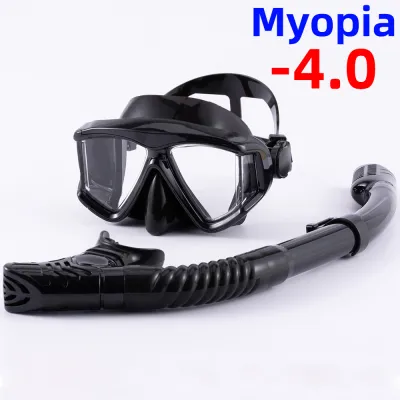
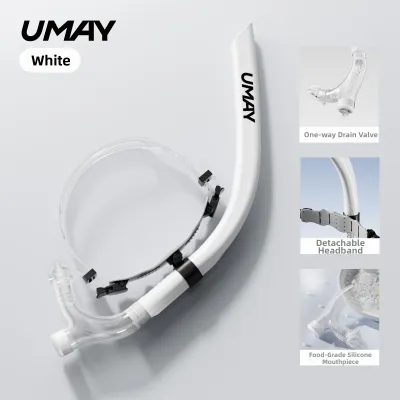
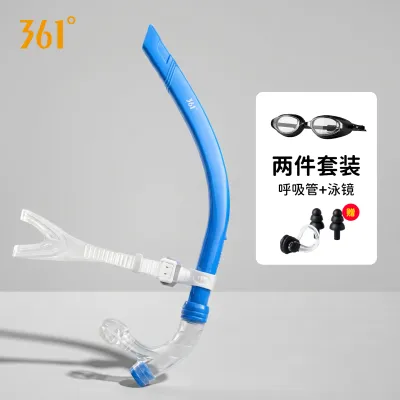
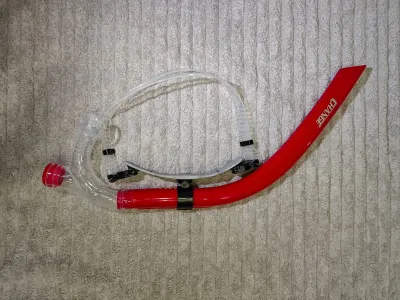
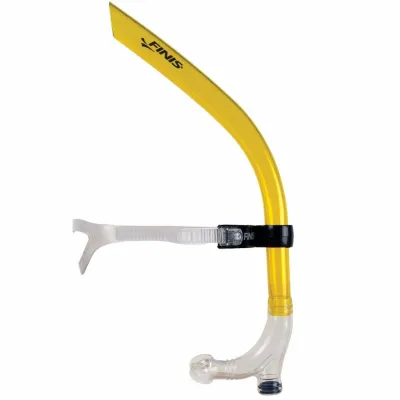
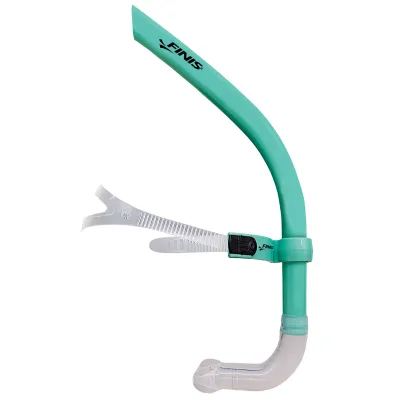
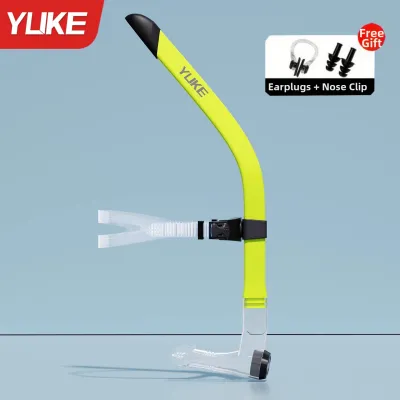
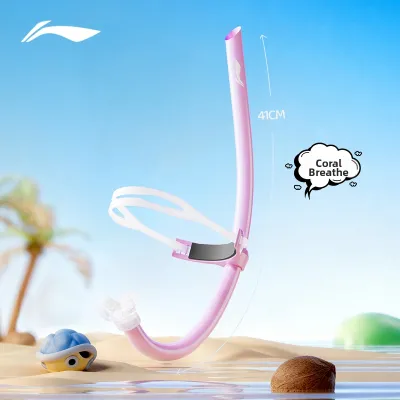
Prices are valid at publication and may change. Please refer to the product page for the latest price.
In contrast, a dedicated snorkel mask features a large, continuous frame that encloses both your eyes and your nose. This nose pocket is a critical safety and comfort feature for snorkeling. When you breathe through a snorkel, your mouth is occupied by the mouthpiece, requiring you to breathe exclusively through your oral cavity. Having your nose enclosed in a soft pocket prevents involuntary water inhalation through your nostrils. Furthermore, as you dive even a few feet below the surface, the water pressure increases, compressing the air inside your mask. A nose pocket allows you to gently exhale through your nose to equalize this pressure, preventing mask squeeze and potential eye discomfort.
The field of vision also differs significantly between the two types of gear. Swim goggles offer a restricted, forward-focused view suitable for following lane lines on the bottom of a pool. Snorkel masks, however, are engineered with wide, flat lenses that maximize your peripheral vision, allowing you to observe marine life and stay aware of your surroundings, including nearby swimmers, boats, or obstacles. The frame of a snorkel mask is also designed to accommodate the attachment of a snorkel tube, ensuring that the tube remains securely positioned at the correct angle relative to your head.
Standard swim goggles are entirely unsuitable for open-water snorkeling due to these physical limitations. Attempting to snorkel with swim goggles often leads to involuntary water inhalation, rapid fogging, and an uncomfortable pinching sensation around the eyes as water pressure increases. For surface snorkeling and shallow dives, a dedicated snorkel mask is the only appropriate choice. Swim goggles should be reserved strictly for lap swimming, pool training, or surface-level recreational swimming where mouth-breathing apparatuses are not utilized.
Essential Fit and Performance Checks for Beginners
When evaluating snorkel masks, the quality of the skirt—the soft, flexible material that contacts your face—is the most critical factor determining whether the mask will leak. High-quality masks utilize liquid silicone for the skirt, whereas cheaper, low-end alternatives often use polyvinyl chloride (PVC) or plastic blends. Silicone is highly flexible, conforming easily to various facial contours to create a reliable, watertight seal. It is also hypoallergenic, highly resistant to UV degradation, and remains soft over years of use. PVC, on the other hand, is stiffer, prone to warping under heat, and can cause skin irritation or chemical odors, leading to a poor seal and discomfort during extended use.

The lens material is another vital safety specification that beginners must verify before purchasing. Reliable snorkel masks feature lenses made of tempered glass, which is often marked with a small “T” or “Tempered” stamp on the corner of the lens. Tempered glass is chemically or thermally treated to be significantly stronger than standard plastic or untreated glass. If a tempered glass lens does break under extreme impact, it crumbles into small, relatively harmless granular pieces rather than shattering into sharp, dangerous shards that could injure your eyes. Plastic lenses scratch easily, warp over time, and degrade visibility, making tempered glass the industry standard for safe open-water exploration.
Beginners must also choose between single-lens and dual-lens mask designs based on their personal preferences and optical needs. A single-lens mask features a continuous pane of glass without a center frame bridge, offering an unobstructed, panoramic view of the underwater environment. This design is highly popular among beginners who appreciate an open, airy feel. Dual-lens masks have two separate panes divided by a central frame. This design brings the lenses closer to your eyes, reducing the internal volume of the mask, which makes it easier to clear water if any enters. Additionally, dual-lens masks are highly suitable for swimmers who require corrective prescription lenses, as many manufacturers offer interchangeable prescription glass for these models.
The strap and buckle mechanism is the final component to inspect during your fit check. Look for masks with wide, split-style silicone straps that distribute pressure evenly across the back of your head, preventing the mask from slipping down or pressing too tightly against your face. The buckles should be integrated directly into the mask skirt or frame with a quick-adjust button or lever. This allows you to make micro-adjustments while wearing the mask, without pulling or tangling your hair. Avoid masks with rigid, difficult-to-operate plastic buckles that require significant force to adjust, as these are prone to breaking under tension.
What to Look for in Reliable Snorkel Mask and Goggle Brands
Navigating the market as a beginner can be challenging due to the abundance of unbranded, generic novelty masks available on online marketplaces. To ensure your safety and comfort, it is highly recommended to focus on established water sports brands with a proven heritage in diving, snorkeling, or swimming. Trustworthy manufacturers invest heavily in research, development, and safety testing to ensure their products meet international standards. These brands typically offer clear warranty policies, responsive customer support, and readily accessible replacement parts, such as replacement straps, buckles, and snorkel keepers, allowing you to extend the lifespan of your gear.
In contrast, unbranded or generic novelty masks often prioritize low production costs over safety and material quality. These products frequently use inferior materials, such as non-tempered glass or rigid PVC skirts, which fail to form a proper seal and degrade rapidly when exposed to sunlight and saltwater. More importantly, generic manufacturers rarely conduct rigorous safety testing, which can lead to structural failures in the water, such as cracked frames or failing strap buckles. Investing in a reputable brand ensures that you are purchasing gear designed by experts who understand the physical demands of marine environments.
When shopping for your gear, verifying product authenticity is a crucial step to avoid counterfeit items. Purchase your mask from authorized local retailers, official brand stores, or reputable specialty dive shops rather than unverified third-party sellers on general ecommerce platforms. Authentic products will feature clean, precise branding, high-quality packaging, and detailed user manuals outlining safety guidelines and maintenance instructions. If a deal seems too good to be true, or if the packaging lacks clear manufacturer contact information, it is best to avoid the purchase.
Reading user reviews can provide valuable insights, but beginners must learn to filter these reviews for relevant, fit-related feedback. Instead of focusing on general aesthetic compliments or shipping speed, look for detailed comments regarding how the mask fits different face shapes, such as narrow faces, wide cheekbones, or high nose bridges. Pay attention to reviews that mention the longevity of the silicone skirt, ease of strap adjustment, and whether users experienced persistent leaking. Keep in mind that because facial structures vary widely, a mask that works perfectly for one reviewer may not fit you; therefore, reviews should guide your selection of candidate masks rather than serve as a guarantee of a perfect fit.
Pre-Dive Testing and Maintenance for Longevity
Before you take your new snorkel mask into the water, you must perform a dry-land suction test to verify that the mask fits your unique facial structure. To conduct this test, clear any hair away from your forehead and cheeks, as even a few strands can break the seal. Place the mask gently against your face without putting the strap over your head. Inhale slightly through your nose and hold your breath. If the mask seals correctly, it should suction firmly to your face and remain in place without you holding it, even when you look down or shake your head gently. If the mask falls off or you feel air leaking in around the edges, the fit is incorrect, and you should try a different model.
Once you have verified a proper fit, maintaining your gear correctly is essential to preserve the integrity of the materials and ensure long-term reliability. After every use, especially in saltwater or chlorinated pools, rinse your mask and snorkel thoroughly with clean, fresh water. Salt crystals and chlorine can degrade silicone over time, causing it to become brittle, lose its flexibility, and develop leaks. Avoid using harsh chemical detergents, abrasive sponges, or hot water, as these can damage the anti-fog coatings on the lenses and warp the silicone skirt. A gentle rinse with cool tap water is usually sufficient to remove salt, sand, and organic debris.
Proper drying and storage practices are equally important for preventing mold growth and material degradation. Allow your mask to air dry completely in a shaded, well-ventilated area before storing it. Never leave your gear exposed to direct sunlight, as UV radiation accelerates the breakdown of silicone and plastic components, leading to discoloration and cracking. Store your dry mask in a protective hard case to prevent the lenses from being scratched by other equipment and to shield the silicone skirt from being crushed or deformed during transport.
Finally, you must regularly inspect your gear before every outing and know when to stop using it. Check the silicone skirt for any signs of tearing, cracking, or stiffness, and inspect the plastic frame for hairline fractures. Examine the strap and buckle mechanisms to ensure they lock securely and do not slip under tension. If you notice a cracked lens, a torn skirt, or a malfunctioning buckle, stop using the gear immediately and seek a replacement. Using compromised equipment in open water increases the risk of sudden leaks or structural failure, which can lead to panic and compromise your safety in the water.
Frequently Asked Questions (FAQ)
Can I use my regular swimming goggles for snorkeling?
No, you should not use regular swimming goggles for snorkeling. Swimming goggles do not cover your nose, which makes mouth-breathing through a snorkel difficult and increases the risk of accidentally inhaling water through your nostrils. Additionally, swimming goggles cannot be equalized as you descend, which can lead to painful mask squeeze and eye discomfort due to the pressure differential. A dedicated snorkel mask with an integrated nose pocket is required to ensure safety, comfort, and proper pressure equalization in open water.
Safety and Fit Considerations for Full-Face Snorkel Masks
Full-face snorkel masks, which cover the entire face and integrate the snorkel tube into the top of the frame, require careful safety and fit considerations. While they offer a wide field of vision and allow you to breathe through both your nose and mouth, they must fit perfectly to prevent water entry and ensure proper ventilation. Beginners must carefully check the manufacturer’s sizing guidelines, as an improper fit can lead to water leaking into the mask, which is more difficult to clear than in traditional masks. Furthermore, you must verify that the mask features a reliable dual-chamber ventilation design that separates inhaled fresh air from exhaled carbon dioxide. Always follow the manufacturer’s instructions regarding usage duration, avoid strenuous swimming while wearing a full-face mask, and immediately remove the mask if you experience any breathing difficulty, dizziness, or fogging.

Community discussion
Share your experience or ask a question. Comments are reviewed before publication.