
Finding the right pair of swimming goggles is essential for a comfortable, distraction-free swim, whether you are training in a condominium pool, doing laps at an ActiveSG sports complex, or preparing for an open-water swim off East Coast Park. For women, standard unisex goggles can often lead to persistent leaks, uncomfortable pressure marks, or a loose fit around the head. This is because women’s facial structures typically feature smaller eye sockets, narrower nose bridges, and different head contours that require a more tailored design.
Rather than searching for a single “best” brand, the key to finding the perfect pair lies in understanding how different manufacturers design their women-specific lines and matching those features to your unique facial shape and swimming habits. By focusing on key design elements—such as gasket size, strap adjustability, and lens tint—you can select a pair of goggles that provides a watertight seal and clear vision throughout your swim. This guide explores the essential factors to consider when choosing swimming goggles for women in Singapore, highlights the design philosophies of leading brands, and provides practical tips for verifying and maintaining your gear.
Understanding Fit and Design Differences for Women
The primary difference between women’s swimming goggles and standard unisex models lies in the geometry of the frame and gaskets. Women generally have smaller orbital bones (the bony socket surrounding the eye) and a narrower nasal bridge. When a goggle frame is too wide, the silicone gaskets may sit on the outer edges of the cheekbones or temple area rather than resting comfortably within the orbital rim. This misalignment prevents a proper vacuum seal from forming, leading to water leakage and increased drag during your swim.
Products mentioned in this guide
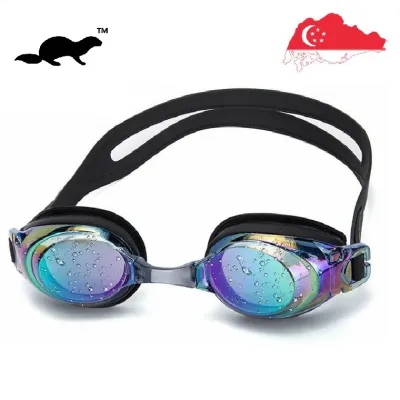
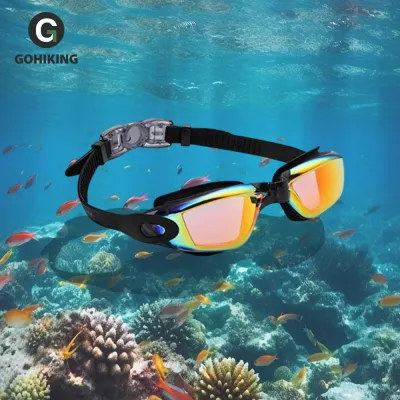
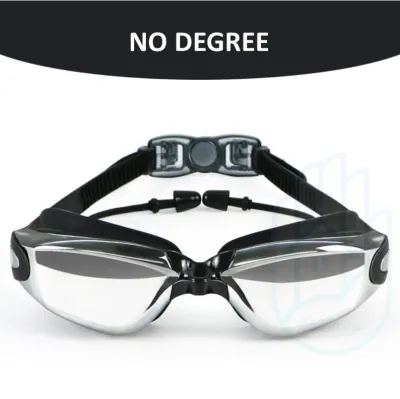
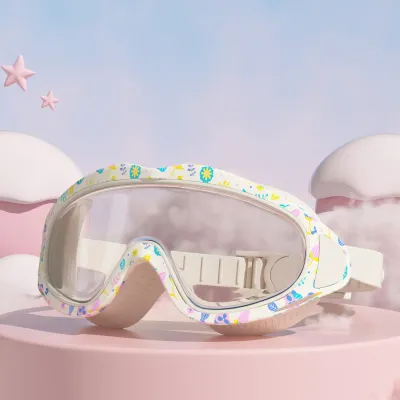
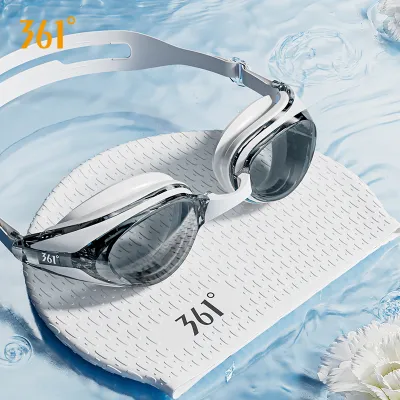
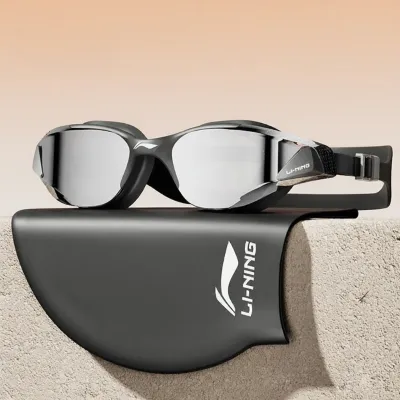
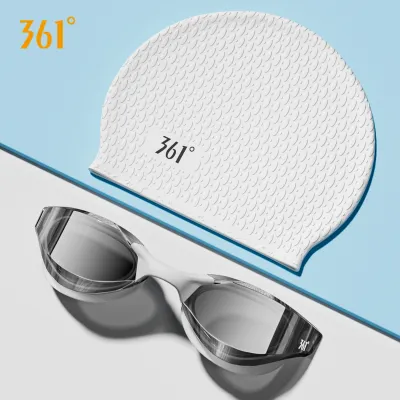
Prices are valid at publication and may change. Please refer to the product page for the latest price.
Nose bridge design is another critical factor. Many women-specific goggles feature a narrower, fixed nose bridge or come packaged with multiple interchangeable nose pieces of varying widths. A nose bridge that is too wide allows the eye cups to spread too far apart, causing gaps at the inner corners of the eyes. Conversely, a bridge that is too narrow can pinch the nose or pull the eye cups inward, causing discomfort and uneven pressure. Choosing a model with an adjustable or naturally narrower bridge ensures the eye cups sit perfectly centered over your eyes.
Strap design and adjustability are equally important, particularly for swimmers with long hair or those who wear their hair in a ponytail or bun. Standard single-strap designs can easily slip down during a swim, especially when pushing off the pool wall. Women’s goggles often feature split-strap or dual-strap configurations made of high-grade silicone. These designs allow you to position one strap higher on the crown of your head and the other lower, securely cradling your hair tie and preventing the goggles from shifting. Additionally, look for tension adjustment clips that are easy to operate and do not snag or pull on fine hair.
The material of the seal, or gasket, directly impacts long-term comfort. Liquid silicone and thermoplastic rubber (TPR) are the most common materials used in modern goggles. Liquid silicone is highly flexible and conforms easily to the subtle contours of the face, distributing pressure evenly to minimize the deep red rings often left around the eyes after a long session. For those with sensitive skin, hypoallergenic silicone gaskets offer a soft, irritation-free fit that maintains its elasticity even after prolonged exposure to chlorinated water.
Matching Goggle Features to Your Swimming Environment
Singapore’s tropical climate and diverse swimming facilities mean that your choice of lens tint and frame profile should align with where you swim most frequently. If you primarily swim in indoor pools, such as those found in community sports halls or private fitness clubs, light transmission is your main priority. Clear, light blue, or yellow-tinted lenses are ideal for these environments, as they maximize visibility in lower light conditions and help you clearly see the lane markers and other swimmers.

For outdoor swimming, which is highly popular in Singapore’s condominium pools and open-air ActiveSG complexes, protecting your eyes from intense sunlight and UV radiation is crucial. Mirrored or dark-tinted lenses act like sunglasses for your eyes, significantly reducing glare off the water’s surface and preventing eye strain during midday swims. Additionally, ensure that the lenses offer certified UV protection to shield your eyes from harmful ultraviolet rays during extended outdoor sessions.
If you venture into open-water swimming, such as training at Sentosa or East Coast Park, your requirements will differ from pool swimming. Open-water goggles typically feature larger, curved lenses that provide a wider peripheral field of vision, allowing you to sight landmarks, buoys, and other swimmers more easily. Polarized lenses are also highly beneficial in open water, as they specifically filter out the horizontal glare reflected off moving waves, providing superior clarity and depth perception.
The profile of the goggle frame also involves a trade-off between hydrodynamics and comfort. Low-profile competition goggles sit very close to the eye sockets to minimize water resistance, making them excellent for racing and high-intensity training. However, because they have smaller gaskets and less cushioning, they can feel tight or uncomfortable during long, casual swims. For recreational swimming or extended training sessions, a slightly larger, cushioned frame with a soft silicone gasket offers a much more comfortable fit, even if it carries a minor hydrodynamic penalty.
Mainstream Swimming Goggle Brands to Explore
When researching swimming goggles for women in Singapore, exploring established brands with dedicated female-fit product lines is an excellent starting point. Heritage sports brands, such as Speedo and Arena, have spent decades analyzing facial anatomy to develop specialized fits. Speedo, for instance, often incorporates technologies designed to mimic the contours of the human eye, offering specific “Female Fit” or “Women’s” versions of their popular training and racing models. These models typically feature smaller frames, narrower nose bridges, and softer gasket materials tailored for female swimmers.
Similarly, Arena is highly regarded for its hydrodynamic designs and offers several low-profile options suitable for women with narrower facial profiles. Their women’s range focuses on providing a secure, leak-free seal without requiring excessive strap tension, which is particularly beneficial for competitive swimmers and triathletes. When looking at these heritage brands, pay close attention to product descriptions that specify a smaller frame size or a design optimized for narrower faces.
Specialized swimwear and triathlon brands like TYR and Zoggs offer excellent alternatives, particularly for fitness and open-water swimmers. TYR is known for its durable silicone gaskets and vibrant designs, often offering women-specific models with ultra-low-profile frames that do not compromise on comfort. Zoggs, on the other hand, is famous for its soft-frame technology, which utilizes a flexible one-piece frame that automatically adjusts to the wearer’s facial structure. Their women’s models often feature smaller frame sizes and polarized lens options, making them a popular choice for outdoor pool and open-water swimming in Singapore.
To find the right model within these brands, it is important to cross-reference manufacturer specifications with independent user feedback and retailer descriptions. Look for details regarding the nose bridge type (fixed versus interchangeable), the gasket material, and the strap adjustment mechanism. Reading reviews from other female swimmers with similar facial shapes can provide valuable insights into how well a specific model maintains its seal over time and whether the fit runs true to size.
Where to Shop and Verify Products in Singapore
To ensure you are purchasing authentic, high-quality swimming goggles, it is highly recommended to shop through reliable local and online channels. Visiting physical sporting goods stores and specialty swim shops in Singapore, such as those located in Queensway Shopping Centre or Kallang Wave Mall, offers the distinct advantage of being able to try on different models before buying. Physical stores allow you to perform a quick fit test and physically inspect the flexibility of the silicone gaskets and the ease of the strap adjustment system.
If you prefer the convenience of online shopping, purchasing directly from official brand websites or authorized local distributors is the safest way to guarantee product authenticity. Many major swim brands maintain official storefronts on popular e-commerce platforms in Singapore. When shopping on these platforms, look for official brand mall badges or verified seller statuses, which indicate that the products are sourced directly from the manufacturer or an authorized importer.
When browsing general online marketplaces, be cautious of red flags that may indicate counterfeit or low-quality products. Extremely low prices that seem too good to be true, generic packaging, and a lack of detailed product specifications are common warning signs. Counterfeit goggles often use inferior, rigid plastics instead of high-grade liquid silicone, which can cause skin irritation, poor sealing, and rapid degradation under Singapore’s humid conditions. Always verify the seller’s return policy and check customer reviews for any mentions of poor build quality or unexpected leaks.
Testing the Fit and Caring for Your Goggles
Before committing to a purchase or heading to the pool with a new pair of goggles, performing a simple suction test is the most reliable way to verify a proper fit. To do this, press the goggle eye cups gently against your eyes without putting the strap over your head. If the goggles fit your facial structure correctly, they should create a temporary vacuum seal and cling to your face for a few seconds before releasing. If they fall off immediately or require heavy pressure to stick, the frame shape or nose bridge width is likely incorrect for your face, and they are highly likely to leak in the water.
Once you have found the perfect pair, establishing a proper maintenance routine is essential to preserve the anti-fog coating and extend the lifespan of the silicone components. After every swim, rinse your goggles thoroughly with fresh, cold tap water to remove chlorine, salt, sweat, and pool chemicals. Avoid using soap, dishwashing liquid, or abrasive cleaners, as these can chemically damage the lens coatings and degrade the silicone gaskets.
Crucially, never touch, wipe, or rub the inside of the lenses with your fingers, a towel, or a microfiber cloth. The anti-fog coating applied during manufacturing is extremely delicate, and physical contact will scratch or rub it off, leading to persistent fogging during your swims. After rinsing, allow your goggles to air dry completely in a shaded, well-ventilated indoor area. Avoid leaving them in direct sunlight, such as on a balcony or in a hot car, as Singapore’s intense tropical heat can cause the silicone straps and gaskets to dry out, warp, and lose their elasticity. Once dry, store them in a protective pouch or case to prevent accidental scratching.
Over time, all swimming goggles will eventually show signs of wear and tear. Key indicators that it is time to replace your goggles include hardening, cracking, or stickiness in the silicone straps and gaskets, persistent water leakage despite adjusting the fit, and permanent yellowing or cloudiness of clear components. Additionally, if the lenses become heavily scratched or the anti-fog coating has completely degraded to the point where supplementary anti-fog sprays no longer provide clear vision, investing in a new pair will ensure your swims remain safe, comfortable, and enjoyable.
Frequently Asked Questions (FAQ)
Can women use unisex or men's swimming goggles?
Yes, women can certainly use unisex or men’s swimming goggles, provided they achieve a proper seal. Many unisex models are designed to fit a wide range of facial shapes, and swimmers with wider faces or prominent nose bridges may find them highly comfortable. However, for women with more petite facial features, unisex models can often be too wide, leading to water leaking in through the outer corners of the eyes or around the nose bridge. If you choose a unisex model, opting for one with multiple interchangeable nose bridges can help you customize the fit to better match a narrower facial profile.
How do I maintain the anti-fog coating on my goggles?
To maintain the factory anti-fog coating, always avoid touching or wiping the inside of the lenses. When the original coating eventually begins to wear off over time, you can safely restore clear vision by using manufacturer-approved anti-fog sprays or drops. Apply a small drop to the inside of each lens, spread it gently if instructed by the product guidelines (without scratching the lens), rinse the goggles lightly in clean water, and allow them to air dry before your swim. Avoid using household alternatives like toothpaste or saliva, as these can be abrasive or introduce bacteria to your eyes.

Community discussion
Share your experience or ask a question. Comments are reviewed before publication.