
Finding the right pair of swimming goggles for women in Singapore requires balancing fit, functionality, and the specific demands of your swimming environment. Because women often have narrower facial structures, smaller eye sockets, and different nose bridge profiles than men, standard unisex goggles can frequently leak or cause uncomfortable pressure points. Whether you are clocking laps at an ActiveSG pool, participating in an aqua aerobics class at a local community club, or training for an open-water swim off East Coast Park, selecting a pair designed to match your facial anatomy and your specific water activity is the key to a leak-free, comfortable swim.
Identifying Your Primary Swimming Environment
Singapore offers a diverse range of swimming venues, from sheltered indoor complexes to sun-drenched outdoor condominium pools and open-water coastal routes. Each of these environments presents distinct challenges for visibility and eye protection, meaning that a single pair of goggles is rarely optimal for every setting. For instance, the intense tropical sunlight experienced in outdoor pools requires lenses that can filter out harsh glare, whereas indoor pools demand maximum light transmission to keep your path clear.
Water temperature and humidity also play a significant role in how your gear performs. In Singapore’s warm, humid climate, temperature differentials between the water and the air inside your goggles can cause rapid condensation. If you primarily swim in sheltered indoor facilities, clear or lightly tinted lenses will prevent the dimming effect that makes it hard to see lane markers. Conversely, outdoor swimmers must contend with direct sunlight and reflections off the water’s surface, which can cause eye strain and fatigue during longer sessions.
Products mentioned in this guide
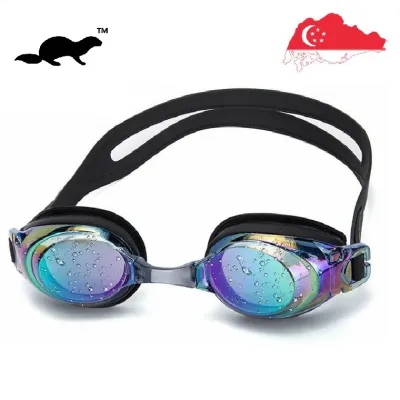
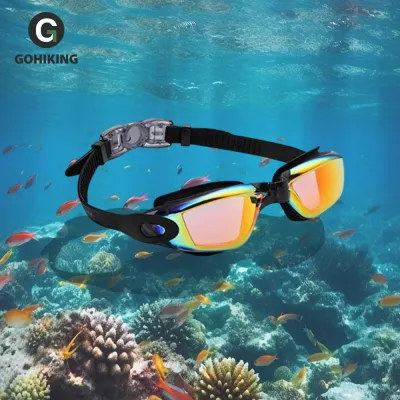
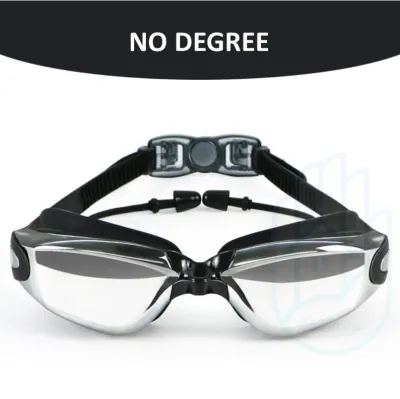
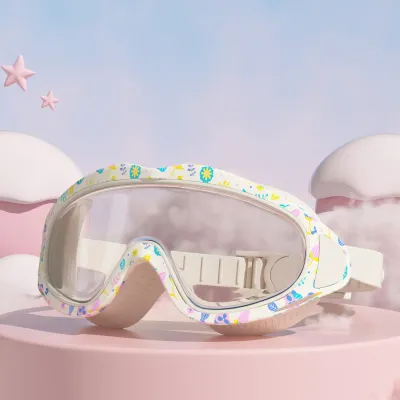
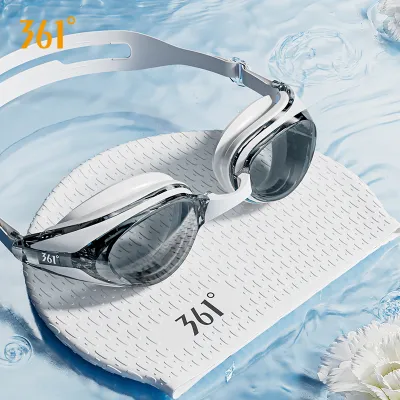
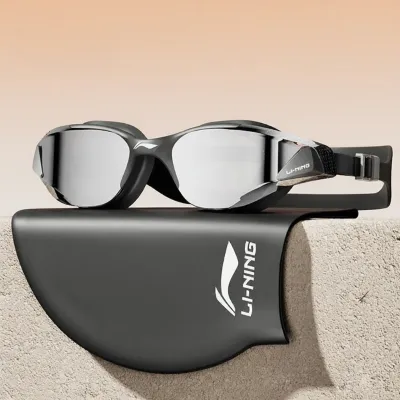
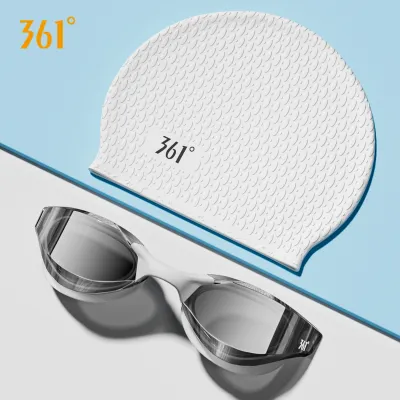
Prices are valid at publication and may change. Please refer to the product page for the latest price.
Session duration is another critical factor when matching your goggles to your environment. A quick twenty-minute recreational dip allows for a wider variety of fits, but a grueling one-hour training session demands a highly customized seal that will not dig into your skin or lose suction over time. Understanding where you will spend the majority of your pool time allows you to prioritize either high-level UV protection, advanced anti-fog capabilities, or ultra-soft gaskets designed for prolonged wear.
Key Features to Check on the Product Label
When browsing the shelves of sports retailers in Singapore or shopping online, reading the technical specifications on the packaging is essential for finding a high-performing pair. The first feature to verify is the lens category, which dictates how the goggles handle light. Look for labels indicating UV protection; in tropical regions, 100% UVA and UVB protection is highly recommended for outdoor swimming to safeguard your eyes from long-term sun damage. Polarized lenses are beneficial for outdoor use as they specifically block horizontal glare reflected off the water, while mirrored coatings reflect light away to reduce overall brightness.

Next, examine the anti-fog specifications. Most modern goggles come with a factory-applied anti-fog coating on the inner surface of the lens. Some premium models feature advanced hydrophilic coatings that absorb moisture, while others use hydrophobic barriers that force water to bead off. Check the manufacturer’s instructions regarding the expected lifespan of this coating, as some options may degrade after only a few swims, whereas high-quality treatments are designed to withstand dozens of sessions before requiring manual reapplication.
The seal, or gasket, is the component responsible for keeping water out, and its material composition directly affects both comfort and durability. Solid silicone seals are highly durable, hypoallergenic, and resistant to the degrading effects of chlorine and saltwater, making them the industry standard. Some recreational models utilize soft foam or liquid silicone, which offers a gentler, more cushioned feel against the delicate skin around the eyes but may require more frequent replacement.
Finally, evaluate the strap mechanism and nose bridge adjustability. Look for double silicone straps or wide split straps that distribute pressure evenly across the back of the head, preventing the goggles from slipping during active movement. A customizable nose bridge is particularly important for women’s goggles; look for models that include multiple interchangeable nose pieces of varying widths, or a flexible, self-adjusting nose bridge that conforms naturally to narrower facial profiles.
What to Look for in Lap Swimming and Training Goggles
For swimmers focused on fitness laps, swim squads, or structured training programs, the primary goal is minimizing water resistance while maintaining a secure fit. Lap swimming goggles feature low-profile, hydrodynamic frames that sit tightly within the eye socket rather than on the outer orbital bone. This streamlined design reduces drag as you glide through the water, helping you maintain speed and efficiency during high-intensity sets.
A secure, firm seal is critical for training goggles to withstand the forces of flip turns, dives, and powerful push-offs from the pool wall. The gaskets on these models are typically firmer and narrower, providing a high-suction grip that remains locked in place even during rapid head movements. While this firm fit can leave temporary pressure marks around the eyes, it ensures that your focus remains entirely on your stroke technique rather than clearing out water mid-lap.
Lens selection for training should align with your primary practice times and pool types. If you train early in the morning or late in the evening in well-lit indoor pools, clear, blue, or yellow-tinted lenses will enhance contrast and maximize visibility. If your training sessions take place in outdoor pools during peak daylight hours, mirrored lenses are highly recommended to deflect the blinding glare of the midday sun, allowing you to track the black line at the bottom of the lane without squinting.
What to Look for in Aqua Fitness and Recreation Goggles
If your water activities lean toward aqua aerobics, water yoga, casual wading, or playing with family, your gear priorities should shift from hydrodynamics to comfort and spatial awareness. Aqua fitness classes often involve upright movements, group interactions, and constant transitions between being submerged and being above water. For these activities, a wider field of vision is incredibly beneficial, allowing you to see your instructor and classmates clearly without constantly turning your head.
Recreational goggles typically feature larger frames and wider gaskets that sit on the outer edge of the eye socket, distributing pressure over a larger surface area. These seals are often made from ultra-soft, flexible silicone or cushioned materials that prioritize long-term comfort over absolute drag reduction. This design minimizes the deep red marks that can persist long after you leave the pool, making them ideal for social swimmers who want to head straight to other activities after their workout.
Easy-adjust strap systems are another hallmark of quality recreational goggles. Look for quick-adjust side buckles or push-button mechanisms that allow you to loosen or tighten the straps with a single touch, even while wearing the goggles. This convenience is highly valuable during aqua fitness classes when you may want to quickly pull the goggles down around your neck during rest intervals or adjust the tension without struggling with complicated plastic clips.
What to Look for in Open Water Swimming Goggles
Swimming in open water, such as the sea off Sentosa or during a local triathlon, introduces unpredictable environmental variables that demand specialized gear. The most critical feature for open-water goggles is glare reduction. Because you are swimming directly under the sun without the benefit of lane ropes or pool walls to block reflections, polarized or heavily mirrored lenses are essential to prevent temporary blindness and eye strain caused by sunlight bouncing off moving waves.
Safety in open water relies heavily on navigation and visibility. Look for goggles that offer wide-angle, curved lenses that expand your peripheral vision, allowing you to spot sighting buoys, safety kayakers, and fellow swimmers without disrupting your swimming rhythm. High-visibility frame colors, such as bright orange, neon yellow, or vibrant pink, are also highly recommended, as they make you easily visible to lifeguards, boaters, and other water users from a distance.
The fit of open-water goggles must also account for potential physical contact and rough water conditions. A slightly larger, softer frame can absorb the impact of an accidental kick or elbow from another swimmer during a crowded race start. Additionally, ensure the goggles feature a highly secure double strap system that wraps firmly around your swim cap, guaranteeing that a sudden wave or physical bump will not dislodge your eyewear and leave you stranded in deep water.
Testing the Fit and Adjusting for Comfort
Before committing to a purchase or heading to the pool, performing a physical fit test is the most reliable way to ensure a pair of goggles will remain watertight on your face. To perform the “suction test,” gently press the goggle lenses against your eye sockets without putting the strap over your head. If the goggles are a good match for your facial structure, they should create a temporary vacuum seal and cling to your skin for a few seconds before falling off; if they pop off instantly, air is escaping through gaps, indicating that water will eventually leak in.
Adjusting the nose bridge is the next step in customizing your fit. If the nose bridge is too wide, the lenses will sit too far apart, causing water to leak in through the outer corners of your eyes; if it is too narrow, the inner edges of the frames will pinch the bridge of your nose and cause pain. Take the time to swap out the interchangeable nose pieces until the lenses sit comfortably centered over your eyes without pulling the gaskets inward or pushing them outward.
Proper strap placement is essential for maintaining a comfortable seal without over-tightening. The strap should not be pulled so tight that it forces the goggles painfully into your eye sockets; instead, the tension should be just enough to keep the seal flat against your skin. For goggles with a split strap, position the lower band at the base of your skull and the upper band slightly higher on the crown of your head to distribute the pressure evenly, which also helps prevent the straps from pulling on your hair or sliding down during your swim.
Daily Care and Signs It Is Time to Replace
To maximize the lifespan of your swimming goggles and keep your vision clear, establishing a consistent post-swim care routine is essential. After every session, thoroughly rinse your goggles in cool, fresh tap water to remove chlorine, salt, sand, and organic oils that can degrade the silicone seals and lens coatings. Avoid using hot water, dish soap, or harsh chemicals, as these can strip away the delicate anti-fog layer applied to the inside of the lenses.
Once rinsed, allow your goggles to air-dry completely in a shaded, well-ventilated area before storing them in a protective pouch or case. Never wipe or rub the inside of the lenses with your fingers, a towel, or a microfiber cloth; doing so will scratch the lens and permanently ruin the anti-fog coating. If you must clean the outer surface of the lenses, use a specialized lens cleaning cloth and handle the goggles only by their plastic frames or silicone straps.
Even with meticulous care, all swimming goggles eventually wear out and require replacement. Pay close attention to the condition of the silicone gaskets; if they begin to feel sticky, brittle, or show visible cracks, they will no longer provide a reliable, watertight seal. Other clear indicators that it is time to invest in a new pair include persistent fogging that cannot be resolved with anti-fog sprays, deep scratches on the lenses that impair your vision, or straps that have lost their elasticity and slip during use.
Frequently Asked Questions (FAQ)
How do I prevent my swimming goggles from fogging up?
To prevent fogging, always rinse your goggles in fresh water before putting them on, as this helps equalize the temperature of the lens with the water. Avoid touching the inside of the lenses, which damages the factory-applied anti-fog coating. When the original coating eventually wears off over time, you can restore clarity by applying a drop of aftermarket anti-fog spray or gel to the inner lens, rinsing it gently before your swim according to the manufacturer’s instructions.
Can I wear swimming goggles over my prescription glasses?
No, standard swimming goggles cannot be worn over prescription glasses, as they are designed to seal directly against the skin of your face. If you require vision correction while swimming, you should look for specialized optical goggles, which are available with pre-made prescription lenses in various diopter strengths. Always check the manufacturer’s diopter range to find a match for your prescription, or consult an eye care professional for custom-molded optical swim lenses.
How tight should swimming goggles feel around the eyes?
Swimming goggles should feel snug but comfortable, with the watertight seal relying on the suction of the silicone gaskets rather than the tightness of the strap. If you have to pull the strap excessively tight to prevent leaks, the goggles are likely the wrong fit for your facial structure. Over-tightening can lead to painful pressure marks, headaches, and eye socket soreness, so aim for a moderate tension where the goggles stay in place naturally.

Community discussion
Share your experience or ask a question. Comments are reviewed before publication.