
The thermal retention of a Tupperware 500ml bottle compared to dedicated sports brands depends fundamentally on the specific material and structure of the model you choose. While mainstream sports brands typically rely on double-wall vacuum stainless steel to keep drinks cold for extended periods, Tupperware offers both single-wall Tritan plastic and stainless steel options. In hot and humid climates, double-wall vacuum insulation provides a distinct physical advantage in preventing ice melt and exterior condensation, but the final decision should align with your specific workout environment, carry preferences, and hydration needs.
When exercising in high-temperature environments, the rate of heat transfer from the surrounding air to your beverage determines how long your drink remains refreshing. A standard single-wall container allows heat to pass through its walls almost immediately, warming your water to ambient temperature within an hour. In contrast, a vacuum-insulated container acts as a thermal barrier, significantly slowing down this heat exchange. Understanding these physical differences is essential for selecting a bottle that matches your hydration needs during intense workouts or outdoor activities.
Understanding Insulation: Tupperware Materials vs. Vacuum Steel
To make an informed choice, you must first understand how different materials handle thermal energy. Tupperware produces a wide variety of containers, including popular 500ml bottles made from single-wall plastics like Tritan co-polyester. While these plastic bottles are highly durable, lightweight, and impact-resistant, they offer virtually no thermal insulation. Heat from the surrounding air and your hands transfers directly through the plastic, causing cold water to warm up rapidly when exposed to warm outdoor conditions.
Products mentioned in this guide
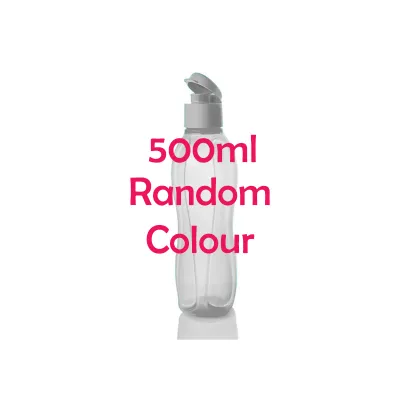
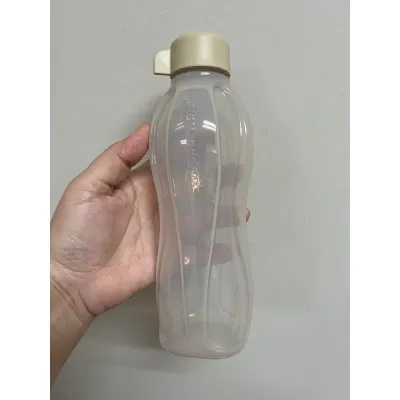
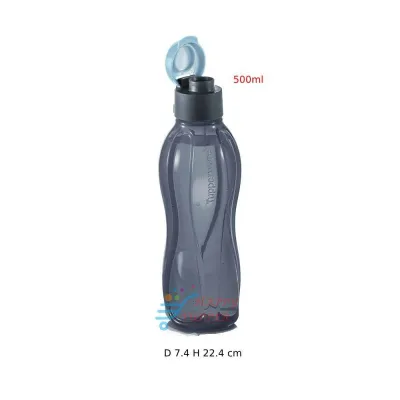
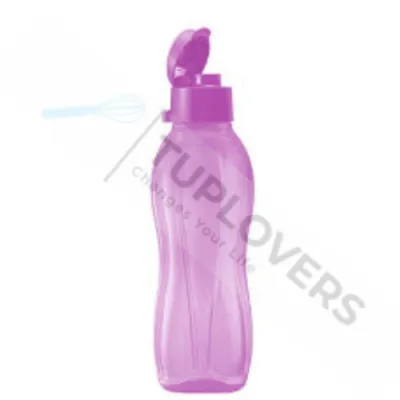
Prices are valid at publication and may change. Please refer to the product page for the latest price.
Some Tupperware product lines include single-wall stainless steel options. While stainless steel is exceptionally durable and does not retain beverage flavors, a single-wall steel construction behaves similarly to plastic regarding heat transfer. Because metal is an excellent conductor of heat, thermal energy moves quickly through the single layer of steel. If you fill a single-wall steel bottle with ice water, the exterior will quickly become cold to the touch, and heat from the outside environment will rapidly warm the liquid inside.
In contrast, dedicated insulated sports brands almost exclusively utilize double-wall vacuum insulation. This construction features an inner and an outer stainless steel vessel with a sealed vacuum gap between them. Because a vacuum contains no air molecules, it lacks the medium required for conduction and convection to transfer heat. This structural barrier is highly effective at keeping cold liquids cold and hot liquids hot for several hours, regardless of the external temperature.
Another critical factor in humid environments is the condensation effect, commonly referred to as bottle sweating. When warm, moisture-laden air comes into contact with a cold surface, the water vapor condenses into liquid droplets. Single-wall plastic and steel bottles filled with cold water will sweat profusely, which can compromise your grip during a workout and wet the contents of your gym bag. Double-wall vacuum bottles prevent this because the outer wall remains at ambient temperature, eliminating the cold surface that triggers condensation.
Design Features That Impact Cold Retention
While the body material plays the largest role in thermal performance, secondary design features significantly influence how long a bottle maintains its temperature. The lid is often the weakest link in any insulated system. Because lids are typically made of plastic or silicone rather than vacuum-insulated steel, they represent a primary pathway for heat exchange. A simple screw-top lid generally provides a tighter, more secure seal with less surface area exposed to air leakage, whereas complex flip-straw or sport-spout lids introduce more joints and potential pathways for thermal transfer.

The width of the bottle’s mouth also affects both usability and temperature retention. Wide-mouth designs allow you to easily add large ice cubes, which directly lowers the starting temperature of your beverage and helps maintain a cold environment inside the bottle for longer periods. However, a wider opening also allows a larger volume of warm air to enter the bottle every time you open it to take a drink. Narrow spouts or straw lids limit this air exchange during use, helping to preserve the internal temperature over the course of a long workout.
Exterior finishes and ergonomics are equally important when selecting a sports bottle. Sweaty hands require a secure grip, especially during high-intensity training or outdoor running. Many dedicated sports bottles feature a textured powder-coated finish on the exterior steel. This coating not only protects the metal from scratches but also provides a slip-resistant surface that remains easy to hold even when wet. Standard plastic bottles often rely on molded ridges or contoured shapes to assist with grip, which may not be as effective when condensation forms on the exterior.
Matching the Bottle to Your Workout Environment
Choosing between a lightweight Tupperware 500ml bottle and a heavier insulated sports bottle requires analyzing your specific exercise routine and environment. If your workouts take place primarily in air-conditioned fitness centers, indoor studios, or offices, thermal retention may not be your primary concern. In these climate-controlled spaces, a lightweight, single-wall Tupperware plastic bottle is highly practical. It is easy to carry, fits comfortably in standard cup holders, and can be refilled frequently from water dispensers, making long-term insulation unnecessary.
For outdoor activities, such as running, hiking, or field sports in direct sunlight, a double-wall vacuum-insulated bottle becomes highly advantageous. The intense heat and humidity will rapidly warm any uninsulated container, leaving you with lukewarm water when you need cooling hydration. An insulated steel bottle ensures that your water remains cold throughout your session, helping to regulate your body temperature. However, you must be prepared for the additional weight, as double-wall steel bottles are significantly heavier than their plastic counterparts even before you fill them with water.
It is also important to recognize when neither of these options is ideal for your sport. For instance, road cyclists typically require specialized, flexible squeeze bottles that fit into bicycle cages and can be operated one-handed while riding. Neither rigid plastic Tupperware bottles nor heavy stainless steel insulated bottles are suitable for this application, as they cannot be squeezed and can pose a safety hazard if dropped on the road. Similarly, long-distance trail runners usually prefer hands-free hydration bladders housed in a running vest to distribute weight evenly and allow continuous drinking without stopping.
How to Verify Insulation Claims Before Buying
When shopping for a new water bottle, you will encounter numerous marketing claims regarding thermal performance. To make an informed purchase without relying on unverified promises, you should learn how to read product specifications critically. Look for explicit statements regarding the construction of the bottle. Terms like “double-wall,” “vacuum-insulated,” or “copper-shielded” indicate a physical structure designed to prevent heat transfer. If a product description only uses vague terms like “thermal” or “keeps drinks cool” without specifying a double-wall vacuum construction, it may simply be a thicker plastic bottle with limited insulating capabilities.
You should also check the product packaging or official specifications for specific temperature ratings, which are typically listed as “hours cold” or “hours hot.” While these ratings are determined under controlled laboratory conditions and may vary in real-world use, they provide a useful baseline for comparing different models. A high-quality double-wall vacuum bottle will often specify cold retention of twelve to twenty-four hours, whereas a basic insulated plastic bottle might only claim to keep drinks cool for two to four hours.
Finally, leverage user feedback from online marketplaces and sports forums to verify how these bottles perform in actual tropical climates. Look specifically for reviews written by users in hot and humid regions, as these conditions put the greatest strain on insulation. Pay attention to comments regarding how quickly ice melts inside the bottle and whether users experience condensation on the exterior. If multiple reviews mention that the bottle “sweats” or that ice melts within an hour, the vacuum seal may be poorly constructed or non-existent.
Maintaining Thermal Performance and Bottle Integrity
To ensure your water bottle continues to insulate effectively over its lifespan, you must practice proper maintenance and care. For vacuum-insulated stainless steel bottles, avoiding high-heat environments is critical. You should never place a vacuum-sealed bottle in the dishwasher unless the manufacturer explicitly states it is dishwasher-safe. The intense heat and pressure of a dishwasher cycle can degrade the outer powder coating, damage the seals, and potentially compromise the vacuum weld, allowing air to enter the insulating gap and permanently ruining its thermal properties.
Regular and thorough cleaning of the lid, gaskets, and straw mechanisms is also essential for maintaining a hygienic and airtight seal. Over time, moisture can accumulate in the crevices of silicone gaskets, leading to mold growth and unpleasant odors. Remove the gaskets periodically and wash them by hand with mild dish soap and warm water. Ensuring these seals remain clean and pliable prevents air leaks, which not only avoids messy spills in your gym bag but also helps maintain the bottle’s thermal efficiency.
Lastly, protect your stainless steel bottles from hard drops and impacts. While steel is highly durable, a severe drop onto concrete can cause deep dents. If a dent occurs near the base or the seams of the bottle, it can cause the inner and outer steel walls to touch, creating a thermal bridge that allows heat to bypass the vacuum layer. Additionally, a hard impact can crack the vacuum seal itself, causing the insulating vacuum to fill with air. If you notice that your insulated bottle suddenly begins to sweat or no longer keeps water cold, a compromised vacuum seal due to physical damage is the most likely cause.
Frequently Asked Questions (FAQ)
Can I Put Boiling Water in a Tupperware 500ml Plastic Bottle?
Before pouring hot liquids into any plastic bottle, you must verify the specific material and temperature limits indicated on the product label or manufacturer instructions. Many standard Tupperware 500ml plastic bottles are designed primarily for cold or room-temperature beverages. Pouring boiling water into non-heat-resistant plastics can cause the container to warp, compromise the lid seal, or release chemicals. Always look for explicit heat-safe certifications or temperature thresholds on the bottom of the bottle before using it for hot drinks.
Why Does My Insulated Steel Bottle Sweat Despite Being Double-Walled?
If your double-wall insulated steel bottle exhibits condensation on the exterior, it typically indicates a compromised vacuum seal or a thermal bridge. Physical damage from drops can cause the inner and outer walls to touch, allowing cold to transfer directly to the outside surface. Alternatively, condensation may form solely around the lid area, which is normal because most lids are made of uninsulated plastic and silicone. If the sweating occurs across the entire metal body of the bottle, the vacuum seal has likely failed, and the bottle will no longer insulate effectively.

Community discussion
Share your experience or ask a question. Comments are reviewed before publication.